 MLB2026-07-24
Reds Are Listening on Hunter Greene: A Controllable Ace Who Could Reshape the Deadline
By Verdexed MLB Desk
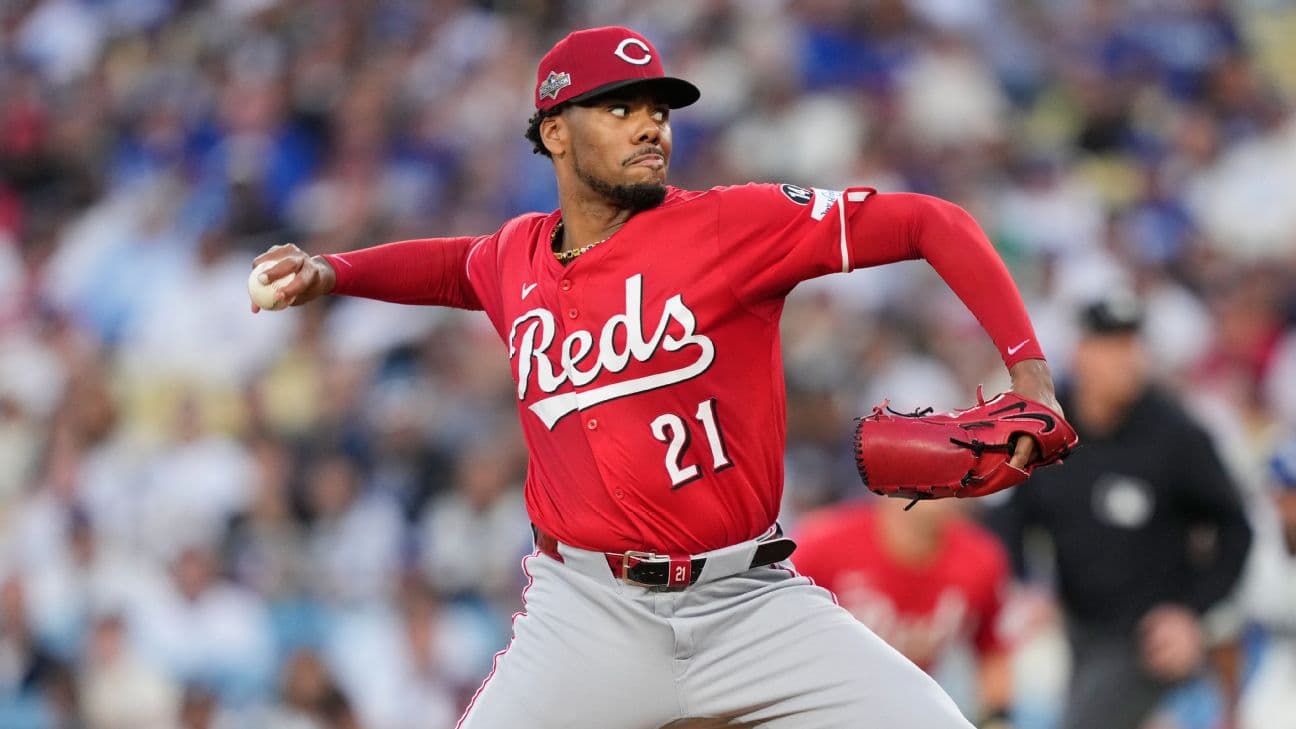
The Cincinnati Reds have signaled they are willing to sell at the Aug. 3 deadline, and according to multiple reports that willingness now extends to one of the faces of the franchise: right-hander Hunter Greene. Cincinnati is exploring what the market might look like for Greene, a rare combination of elite stuff, real durability questions and a team-friendly contract that runs for years. Unlike a pure rental such as Tarik Skubal, Greene would be a controllable centerpiece, which makes him one of the most fascinating and complicated names on the board. For fantasy managers, a Greene trade would be a genuine value-shifting event, but the odds of it happening are murkier than the headline suggests.
Why the Reds are even considering it
Cincinnati has fallen out of contention, sitting well below .500 and near the bottom of the NL Central, which is the backdrop for a sell-off. The Reds also just signed their new ace, Chase Burns, to a seven-year extension, giving them a young cornerstone to build the rotation around and, in theory, the cover to consider moving Greene for a haul of controllable talent. Selling high on a starter with ace upside while locking in the next one is exactly the kind of aggressive reshaping a non-contender can justify.
The catch is Greene's contract cuts against a trade as much as for one. He is signed through 2028 with a club option for 2029, and his salary is remarkably low relative to his ceiling, escalating from the single digits this year into the mid-teens over the following seasons. That team-friendly structure is enormously valuable, and analysts are skeptical the Reds could replace his production with the money saved. A deal only makes sense if the return is a genuine overpay in young talent.
The elbow question hangs over everything
The complicating factor is health. Greene missed roughly four months this season after surgery to remove bone chips from his right elbow, and durability has been a recurring theme in his career. That injury history is the single biggest drag on his trade value, because acquiring teams are paying for years of control and cannot be certain how many healthy innings they are buying. It is the reason a pitcher with this much talent and this friendly a deal is not simply off the market at an untouchable price.
For fantasy managers, the elbow is the central risk to price. Greene's per-start upside is ace-level when healthy, with premium velocity and swing-and-miss stuff, but his season-long value has repeatedly been capped by missed time. Any projection that ignores the injury history overstates his floor.
Fantasy fallout of a potential move
If Greene is dealt to a contender, his fantasy value profile improves in the categories tied to team quality. A stronger club would lift his win environment and give him a better bullpen behind him, while his strikeout and ratio upside would travel intact. A move to a pitcher-friendly park would be an additional boost to his ratios. Managers rostering Greene in redraft leagues should view a trade to a good team as a modest positive, provided the elbow holds.
In dynasty, Greene is one of the more interesting names on the market precisely because of the control years. A contender that acquires him is buying multiple seasons of an ace-upside arm at a bargain rate, which raises his long-term fantasy ceiling if he can stay healthy. The bet is entirely on health, and dynasty managers should treat him as a high-ceiling, elevated-risk hold rather than a name to move at a discount over trade noise.
The Verdexed model take
Verdexed's model separates Greene's rate stats from his availability, and the split is stark: it projects him as a top-tier per-start arm and a mid-tier season-long asset once expected missed time is factored in. The model's read is that a trade to a strong team would nudge his rest-of-season value upward through wins and bullpen support, while doing nothing to change the underlying injury discount that defines his projection. In short, the trade is a mild positive and the elbow is the real variable.
The model is also skeptical a deal gets done at all, aligning with analysts who note how hard it would be for Cincinnati to replace Greene's below-market production. The most likely outcome is that the Reds listen, set a very high bar, and keep him unless a rival meets a controllable-ace price. That leaves current managers holding an asset whose value is stable regardless of the deadline, with health as the only real swing factor.
There is a downstream Reds angle for deep-league managers. If Cincinnati does move Greene, or any veteran, innings open in a rotation that is already handing the ball to young arms around new ace Chase Burns. A rebuilding team out of contention tends to give its prospects longer leashes and more starts down the stretch, which is a recurring source of late-season streaming value. Managers in deep formats should track which Reds pitching prospects would inherit those starts, because a change in team direction often creates fantasy relevance for names that were buried on a contender's depth chart. The Greene saga is worth following not only for Greene himself but for the opportunities a sell-off would create behind him.
What to do in your league
Hold Greene in every format and let the market come to the Reds rather than to you. His fantasy value rests on his stuff and his health, not his jersey, and a trade to a contender would only help the categories that depend on team context. In dynasty, his years of team-friendly control make him a name to acquire if a manager sours on the injury risk, because the upside at that price is rare. Watch the deadline, but do not let a rumor talk you into selling an ace-upside arm at anything less than full value.