The Red Sox Landed Adley Rutschman an Hour Before the Buzzer and Baltimore Started Over
By Verdexed MLB Desk
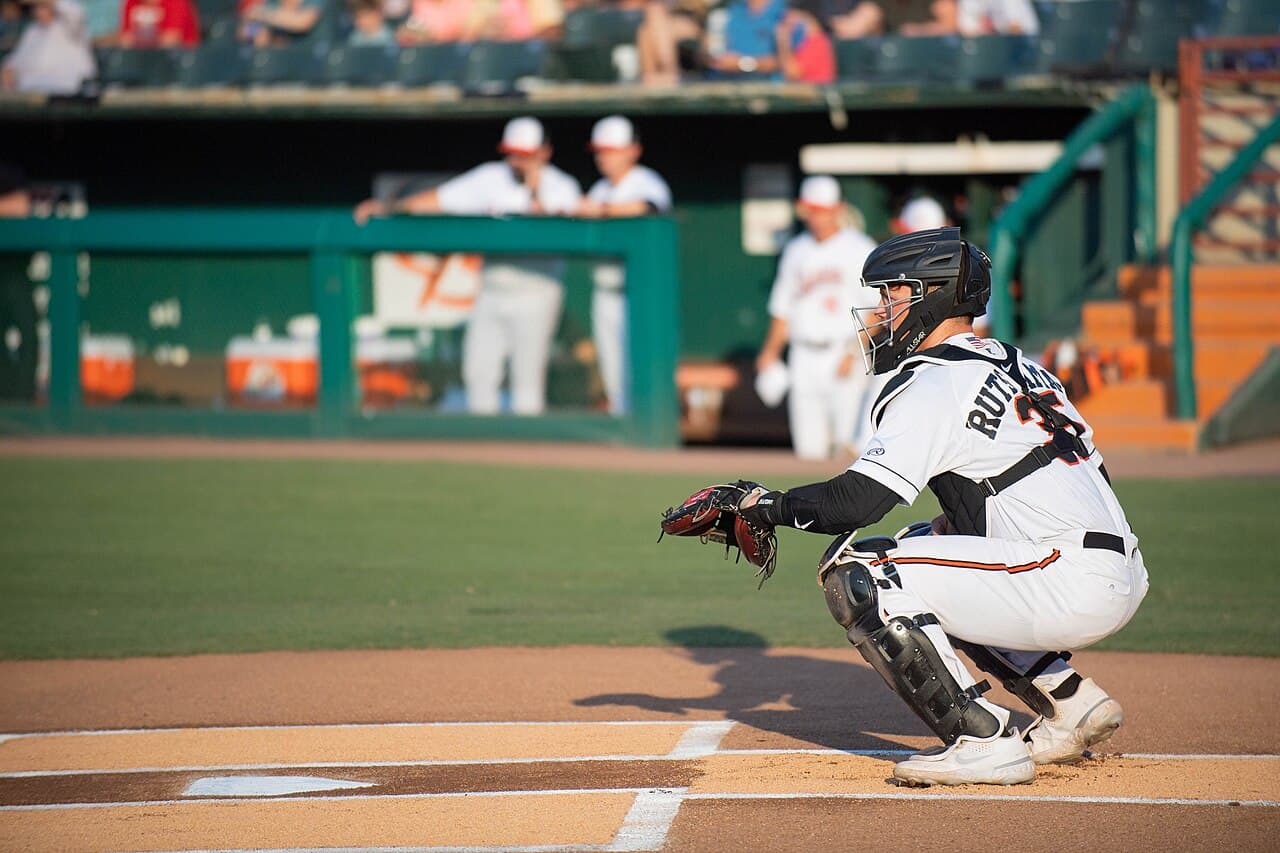
The Boston Red Sox acquired catcher Adley Rutschman from the Baltimore Orioles roughly an hour before Monday's trade deadline, in a deal that also sent catcher Jake Rogers to Boston. The Orioles received minor league right-handers Anthony Eyanson and Kyson Witherspoon, minor league outfielder Enddy Azocar, catcher Carlos Narvaez and a player to be named later.
It was the largest name to change teams at the deadline outside of the Tarik Skubal blockbuster, and it was the clearest statement of intent from either franchise. Boston bought a three-time All-Star catcher under contract through 2027. Baltimore, having spent weeks publicly listening rather than selling, ultimately took the prospect package and moved on from the player who had been the face of the organization since his debut.
Rutschman is slashing .251/.331/.433 with eight home runs and 47 RBI in 67 games this season, a line that reflects both a genuine down year at the plate and a significant amount of missed time. He is among the best defensive catchers in baseball, and that part of his value has not wavered.
What Boston is actually buying
The batting line is the honest complication in this trade, and it deserves to be addressed directly rather than waved away. A .251 average with a .331 on-base percentage is a solid offensive catcher and nothing more, and it is well below what Rutschman produced in his best seasons. He has also been limited to 67 games, having dealt with injury interruptions including a concussion earlier in the year.
What Boston is buying is the defense, the framing, the game-calling, and the contract. A catcher under team control through 2027 who ranks among the sport's best behind the plate is a two-month rental only in the narrowest sense. This is a roster addition with a runway.
The offensive upside is the bet. Catchers who post an .800-plus OPS in prior seasons and then drop to the low .760s tend to be dealing with something physical rather than something skill-related, and a change of environment plus a healthy second half is the reasonable scenario Boston is paying for.
Jake Rogers is the underappreciated part of the deal for Boston. Adding a second catcher alongside Rutschman gives the Red Sox the flexibility to rest a player whose availability has been the limiting factor on his production.
Fantasy fallout
Rutschman's fantasy value rises on this trade, and the reasons are lineup context and park factors rather than any expected change in his skill.
Moving from Baltimore's lineup to Boston's places him in a deeper batting order, which drives runs and RBI opportunities regardless of what his rate stats do. Fenway Park is also a materially friendlier environment for a switch-hitting contact profile than Camden Yards has been since the left field wall was moved back, and Rutschman's doubles power in particular should play better in Boston.
The risk is playing time. Adding Rogers means Boston has two catchers who can start, and a manager protecting a player with injury history will use that. Managers should expect Rutschman to catch roughly five days a week with designated hitter days mixed in, which is more availability than he has had this season, not less.
In Baltimore, the catcher position becomes a streaming situation. The Orioles received Carlos Narvaez in the return, and whoever assumes the primary role there is a two-catcher-league play at best. Nobody should be picking up a Baltimore catcher in a one-catcher league.
The broader Baltimore fallout matters more. A team that trades its franchise catcher at the deadline is a team playing out the string, and the young hitters who get everyday at-bats over the last two months become deep-league targets. That is where the useful adds are.
The Verdexed model take
Our model reprices players on team changes by adjusting three inputs: park, lineup position, and projected plate appearances. All three moved in Rutschman's favor.
The park adjustment alone lifts his projected slugging percentage, and the lineup adjustment lifts his projected runs and RBI. The plate-appearance adjustment is the largest of the three, because our playing-time model had been discounting him for injury interruption in Baltimore and Boston's decision to acquire a backup catcher in the same deal signals a plan to keep him on the field rather than run him into the ground.
The rest-of-season projection places him back inside the top five at the position in category leagues, which is where he was drafted and well ahead of where he has performed.
On the team level, our model moved Boston's projected playoff odds up on the trade, though by less than the headline suggests. Catcher is a position where defensive value is real and offensive value is scarce, and upgrading it improves run prevention more than run production. Baltimore's remaining-season projection moved down, and its 2027 outlook moved up on the strength of the prospect return.
Betting angle
Boston's playoff odds and division futures are the direct market, and the caution is that they moved immediately when the trade was announced. Deadline acquisitions of star position players get priced in within minutes. There is no lingering edge on the headline number.
The more interesting position is Baltimore's remaining game totals. A team that trades its best defensive player at the most defensively demanding position, in the same window it moves other pieces, gets worse at preventing runs in ways that go beyond the individual's batting line. Orioles opponents should be expected to score more, and totals in Baltimore games are the slower-adjusting market.
Rutschman's individual second-half props, if any post, favor the over on doubles and total bases specifically. Those numbers will be anchored to his 2026 line in a worse park, and the park change is the single clearest edge in this trade.
What to do in your league
If you roster Rutschman, hold and expect improvement. The situation is better in every measurable way and the price you paid on draft day is closer to justified than it was a week ago.
If Rutschman is somehow available in your league after a disappointing first four months, he is the best buy-low target at the position and the window closes as soon as he strings together a good week in Boston.
Drop any Baltimore catcher you are holding. That job is now a rotation and a rotation at catcher is worth nothing.
Scan Baltimore's lineup for the young hitters who inherit everyday at-bats. Teams that sell in August hand out playing time in September, and that playing time is free on most waiver wires this week.
What's next
The thing to watch is how often Boston catches Rutschman versus how often it uses him at designated hitter with Rogers behind the plate. A manager who protects him aggressively is a manager maximizing his bat, and that is the arrangement that produces the top-five fantasy season his talent still supports.