Luis Arraez Joins a Remade Phillies Infield: What It Does to His Fantasy Value
By Verdexed MLB Desk
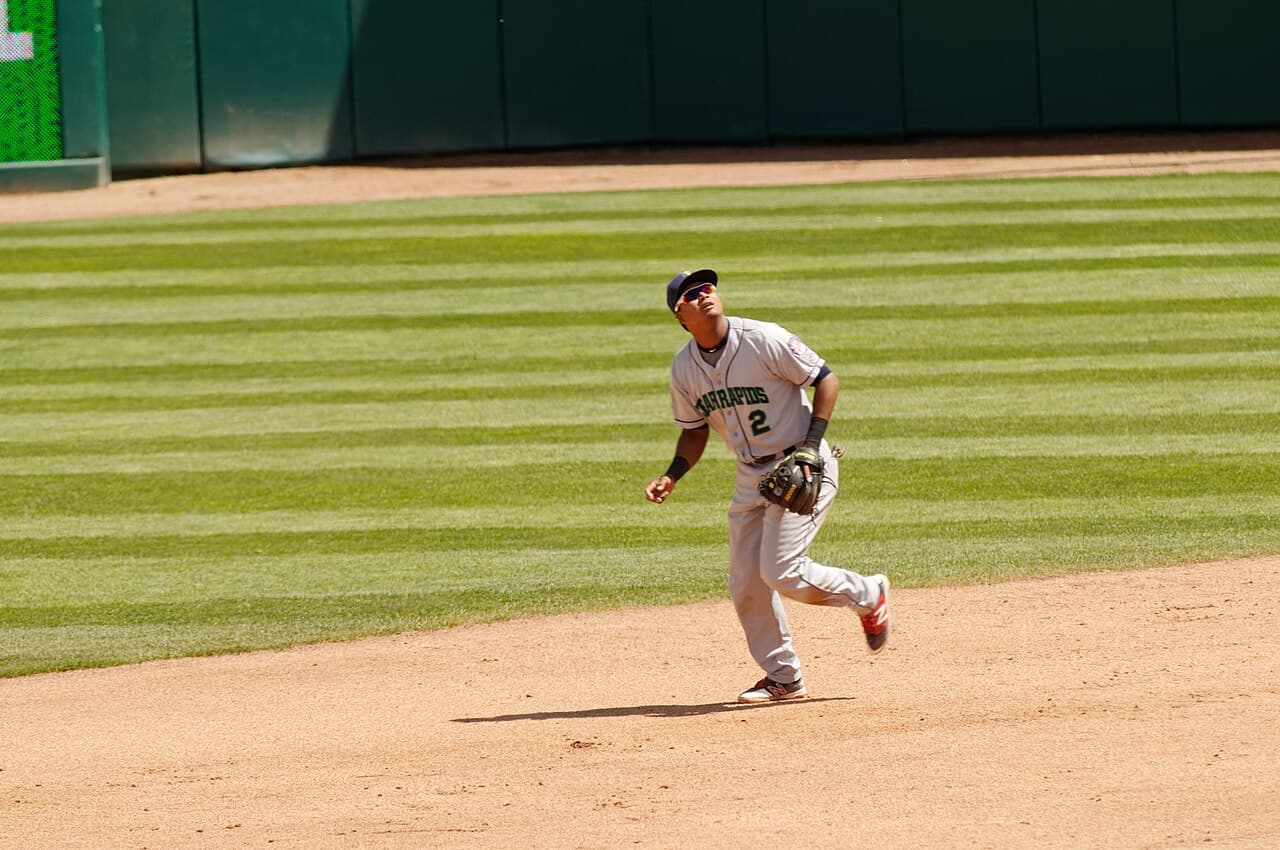
The Philadelphia Phillies acquired Luis Arraez from the San Francisco Giants at Monday's trade deadline, sending right-handed pitching prospects Ramon Marquez and Marty Gair to San Francisco. Right-hander Caleb Kilian went to Philadelphia in the same deal. The Phillies also added reliever Brooks Raley in a separate move.
Arraez, 29, signed with the Giants on a one-year deal reported at $12 million and has been the National League's batting average leader, hitting .324 with an .800 OPS, four home runs and 43 RBIs across 105 games while earning his fourth All-Star selection. He is a free agent at the end of the season.
What Philadelphia is buying
The Phillies did not trade for power. They traded for the most contact-oriented hitter in baseball, a player whose entire value proposition is that he does not strike out and does not make outs. In a postseason environment where velocity and swing-and-miss stuff dominate, a hitter who puts the ball in play on nearly every trip is a genuinely differentiated asset.
He is expected to play second base as part of a reworked Philadelphia infield. The defensive fit has drawn skepticism, and reasonably so: Arraez has never been an asset with the glove, and slotting him at second base rather than first or in a designated hitter role concentrates that weakness at a position where it costs more.
That is a real cost for the Phillies. It is close to irrelevant for fantasy managers, because defensive value does not appear on a fantasy stat line. What matters is that the everyday role is secure and the position eligibility is useful.
Fantasy fallout
Arraez's category profile is narrow and it does not change with the uniform. He is an elite batting average contributor, a solid runs source when he hits near the top of a good lineup, and close to a zero in home runs and stolen bases. In roto formats built on five categories, he is a specialist. In points leagues, he is underwhelming because singles do not score enough to offset the absence of extra-base hits.
The upgrade is in the run environment. Moving from a Giants offense that faded into a seller to a Phillies lineup positioned in the National League wild card race is a straightforward improvement in the quality of hitters behind him. Runs scored is the category most sensitive to lineup context, and Arraez should see a meaningful bump there over the final two months.
The RBI category is the one to be careful with. Where he hits in the order determines it, and a contact hitter with little power is more valuable to a manager at the top of the lineup than in the middle. If Philadelphia bats him first or second, expect runs to climb and RBIs to stay flat.
The Verdexed model take
Our hitter projections separate the skill component from the context component, and Arraez is one of the clearest examples of why that separation matters. His skill inputs, contact rate, strikeout rate and expected batting average on contact, are among the most stable in the sport. Year to year, he is close to the least volatile everyday hitter to project.
The context inputs are what move. Lineup quality, ballpark and the run-scoring environment of the games he plays in all shift with this trade, and all shift in the same direction. Our model's rest-of-season projection for Arraez improves on runs scored and holds essentially flat on batting average, which is exactly what you would expect from a player whose production is skill-driven rather than environment-driven.
The more interesting model output is on Philadelphia's team run projection. Adding a high-contact bat to a lineup that already had power changes the shape of the offense: more baserunners ahead of the sluggers, fewer innings that end on strikeouts. Our projections move the Phillies' team scoring up modestly and their game-to-game variance down.
Betting angle
Phillies team totals are the most direct market, and the effect is real but small. A single bat, even a good one, moves a team total by a fraction of a run. Do not overpay for the narrative.
The more useful application is in player prop markets. Arraez hits and total bases props are among the most predictable in baseball because his contact profile is so stable, and books sometimes lag on props for a player who just changed teams. In the first week after a trade, prop lines are often anchored to the prior team's context. That is a window.
On the San Francisco side, the Giants selling their best pure hitter confirms a direction, and their remaining season markets should be treated accordingly. Team win totals for clear sellers tend to drift down after the deadline, and any number that has not moved is worth examining on the under.
What to do in your league
If you roster Arraez in a category league where batting average is a scored category, this is a modest but real upgrade and you should hold. If you are in a points league or a format that weights power and speed, he remains a marginal asset and this trade does not fix that.
The better move for most managers is to look at Arraez as a trade chip. Managers chasing a batting average title in the final two months will pay a premium for the league leader, and his perceived value just rose because he moved to a contender. Perceived value and actual fantasy value diverge here, which is the condition that makes a trade profitable.
In dynasty formats, remember that he hits free agency in the offseason. A player whose 2027 situation is completely unknown carries more uncertainty than his stable skill set suggests, and that is worth discounting.