Padres and Cubs Open the NL Wild Card Series in San Diego With Michael King
By Verdexed MLB Desk
The National League's first postseason series starts Tuesday in San Diego, and it is the best matchup of contrasting styles in the bracket. The Padres clinched the top wild card spot, the No. 4 seed, and home field. The Cubs are locked into the No. 5 seed and arrive with the most productive offense in baseball and the favorite for National League MVP.
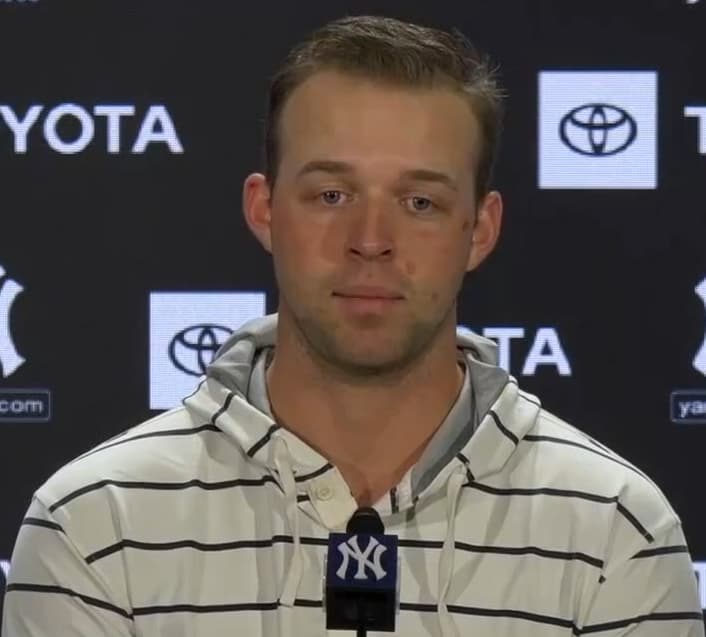
Michael King takes the ball for San Diego in Game 1. Chicago's rotation order is less settled, and that uncertainty is the story of the series.
The Cubs' case is the bats
Chicago led all of Major League Baseball in OPS at .765 and led the National League with 218 home runs. That is not a one-player offense, but it does have one player at the center of it. Pete Crow-Armstrong became the seventh player in history to reach 40 home runs and 40 stolen bases in a season when he swiped his 40th base against Miami on September 24, finishing with 45 homers to go with the 40 steals. He is the first Cub to do it, and he is the NL MVP favorite.
The Cubs also own the head-to-head record. Chicago went 5-1 against San Diego during the regular season, including taking two of three at Petco Park in late April. Season series records are noisy over six games and should not carry heavy weight, but they are not irrelevant when the sample includes a series in the same ballpark where the postseason games will be played.
The problem is the pitching. Chicago's rotation posted a 4.27 ERA, which tied for 18th in the majors, and the postseason order is not fully resolved. Shota Imanaga and Holmes appear to be locks for two of the three starts. Kevin Gausman has been inconsistent, and Matthew Boyd was the Opening Day starter. In a best-of-three, the third starter may never pitch, which makes the question less about depth and more about which two arms give Chicago its best chance.
The Padres' case is the bullpen
San Diego's path is straightforward and well understood: get a lead to the late innings and hand the game to one of the best relief groups in baseball. Mason Miller and Adrián Morejón anchor the back end, with Bradgley Rodríguez in the mix, and the reputation around that trio is that a San Diego lead after five innings is close to a decided game.
The rotation is built to deliver those leads rather than to dominate. King starts Game 1, with Nick Pivetta and Walker Buehler behind him. Pivetta's return late in the year gave San Diego a legitimate third option, which matters in a format where the third game decides everything.
The Padres also have momentum on their side in a way the record does not show. San Diego was 50-53 on July 23 and went 39-17 after that, which is the best two-month stretch of any team in this series. They clinched by sweeping Miami and taking two of three from the Dodgers, which is the kind of finish that suggests the late-season version of this team is better than its full-season numbers.
Where the series will be decided
The matchup reduces to a single question: can San Diego's starters navigate the middle innings against a lineup that leads the league in home runs?
Chicago's offense is built to score in bursts, which is exactly the profile that beats a bullpen-dependent team. A three-run inning against a starter in the fifth removes the Padres' structural advantage entirely, because the elite relievers never get to pitch with a lead. Conversely, a San Diego team that gets six innings from King with a lead is close to unbeatable in a single game.
The second question is whether Chicago's starters can keep the series close enough for its offense to matter. A rotation ERA that ranks 18th in baseball is not a postseason strength, and Petco Park is a ballpark that suppresses offense, which helps the Cubs' pitchers more than it hurts their hitters in relative terms.
The betting angle
The market will likely install San Diego as a modest favorite on home field, and the Verdexed read is that this is close to correct rather than exploitable on the series price. The more interesting positions are in the game markets.
Game 1 with King on the mound is the Padres' best single-game spot of the series, and it should be priced accordingly. The value, if it exists, is on Chicago in Game 2, when the pitching matchup is murkier and the market tends to overreact to a Game 1 result.
The totals are the cleaner play. Petco Park suppresses run scoring, San Diego's bullpen is elite, and postseason baseball as a category scores below its regular-season rate because managers shorten their staffs to their best arms. Unders in this series have a structural case that does not depend on predicting a winner.
Crow-Armstrong props are the one place where the market may lag. An MVP favorite in his first postseason series will draw attention, and pitchers will approach him carefully, which suppresses the raw stat lines that props are built on. Fading his volume-based props, rather than betting them, is the contrarian position.
The Verdexed model take
The model sees this as a near coin flip with a small edge to San Diego, driven by home field and the bullpen rather than by any advantage in the rotation or the lineup. The Cubs' offense is the best single unit in the series, and the Padres' relief corps is the second best. In a three-game format, the unit that gets to decide more innings usually wins, and that favors the bullpen.
The model's strongest view is on variance. Best-of-three series are the highest-variance format in professional sports, and neither of these teams should be treated as a confident pick. The right approach is to bet the individual games with the pitching matchups in hand rather than the series price.
What's next
Watch the Cubs' announced Game 1 starter, which will reveal how Chicago is ordering its rotation and whether it intends to hold a starter back for a potential Game 3. Watch San Diego's lineup construction against right-handed pitching, since the Padres spent the final weekend with their seeding already secure and had the luxury of resting regulars.
The actionable takeaway: this is a series to bet game by game, not as a whole, and the unders have the strongest structural case in the entire wild card round.