 NFL2026-07-11
2026 NFL Training Camps Open: Report Dates and the Fantasy Storylines That Matter
By Verdexed NFL Desk
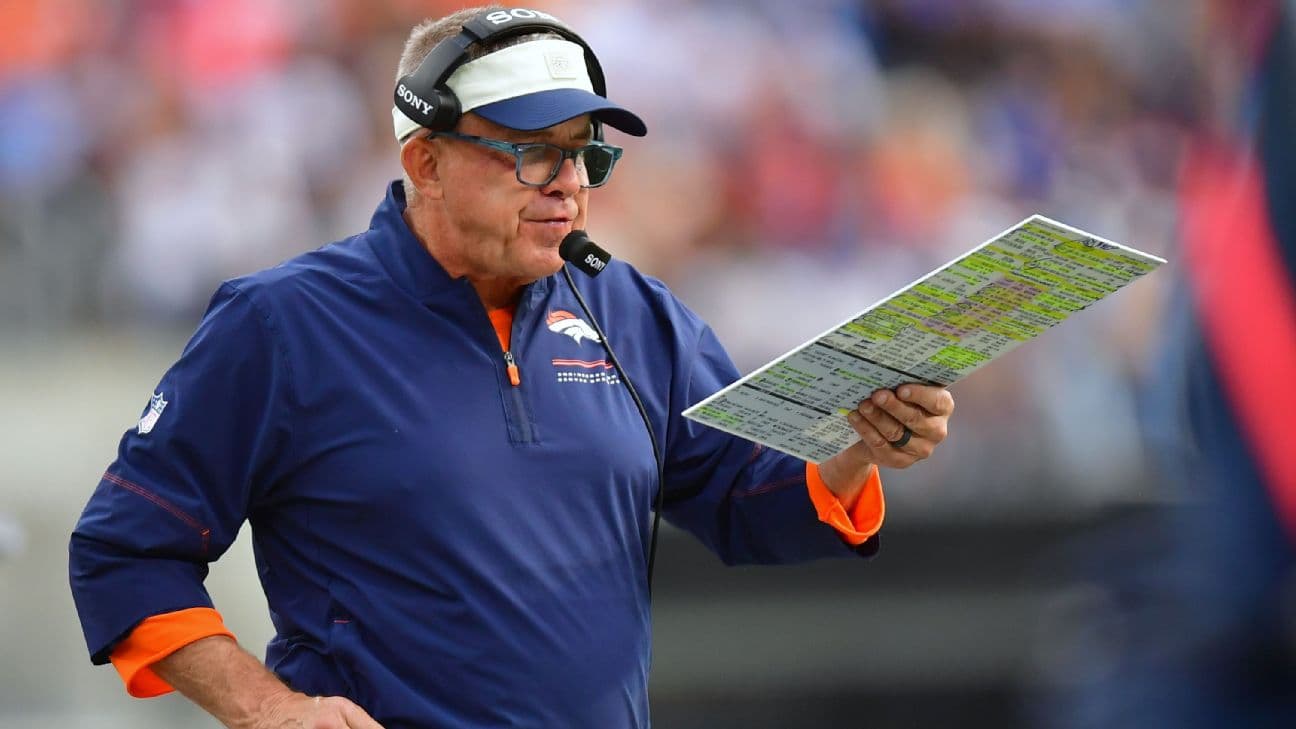
The 2026 NFL calendar is about to accelerate. Training camps open across the league over the next two weeks, and by the time the pads come on, the offseason's speculation gives way to the practice-field evidence that actually moves fantasy draft boards. The Seahawks start earliest, with rookies reporting July 17 and veterans July 24, while the Cardinals and Panthers veterans both report July 22 because those two teams meet in the Hall of Fame Game on August 6. All 32 clubs will have reported by July 28.
For fantasy managers, the report dates are more than logistics. They mark the start of the window when depth charts firm up, position battles resolve, and injury recoveries either accelerate or stall. The first full preseason week begins August 13, and the initial 53-man roster cutdown lands August 30. Between now and then is the richest stretch of the fantasy preparation calendar.
Why camp beats the offseason
Everything before camp is projection. Once padded practices begin, real signal emerges: who runs with the starters, who handles third downs, which rookie earns a role, and which injury recovery is genuinely on track. The managers who win drafts are the ones who update their boards on this evidence rather than locking rankings in June.
The most valuable camp signal tends to come from three sources. Snap and rotation reports from beat writers reveal how coaches intend to divide touches. Joint practices, where teams work against opponents, expose which players are ready for live reps. And the preseason itself, though starters play sparingly, confirms depth-chart order and gives rookies their first real audition.
The storylines that move fantasy value
Unsettled backfields top the list. Jacksonville's post-Etienne room, Denver's crowded rotation under Sean Payton, and committees in Pittsburgh and Carolina all carry meaningful fantasy swing, and camp is where the touch distribution finally takes shape. Running back is the position where opportunity is destiny, so every rotation that clarifies is a draft-board event.
Rookie receivers are the second storyline. Cleveland, New York, and Baltimore all have first-year pass catchers competing for snaps, and the ones who lock into three-receiver packages become late-round values. Quarterback situations and their downstream effects on pass-catchers are the third, since a settled quarterback room lifts every receiver and tight end attached to it.
Injury recoveries are the fourth and most underrated. A player returning from a torn ACL or a significant surgery can be either a discount buy or a landmine depending on how camp goes, and the difference is often visible in the first week of padded work. Managers who track which recoveries are ahead of schedule and which are lagging get an edge the ADP does not yet reflect.
The Verdexed model take
Verdexed's fantasy projections are built to update as camp evidence arrives, and the model's guidance every July is the same: weight confirmed opportunity over offseason reputation. The players whose projections move most between now and Week 1 are the ones in ambiguous roles, because a single depth-chart resolution can swing a projection dramatically. That is why the model treats camp not as noise to filter but as the most valuable new information of the offseason.
The model also flags a recurring market inefficiency: ADP tends to lag camp news by several days, which means a manager who acts on a confirmed role change before the crowd captures value that disappears once the price adjusts. The edge is in speed and in trusting the practice-field signal over the preseason narrative.
What to do in your league
The camp-season playbook is straightforward. Keep your rankings fluid through the first two weeks of padded practices rather than locking them now. Prioritize beat-writer snap and rotation reports over highlight clips, because touches predict fantasy points and highlights do not. Track injury recoveries specifically, since those carry the widest range of outcomes. And when a role change is confirmed, move quickly, because ADP will catch up within days.
The Hall of Fame Game teams get a head start
The Cardinals and Panthers reporting early on July 22 is more than a scheduling quirk, because those two teams open the preseason in the Hall of Fame Game on August 6, roughly a week before the rest of the league plays. That extra week of live football is a small fantasy edge for anyone drafting from those rosters: coaches get an earlier look at their depth charts, and beat reporters get earlier snap-count data. For managers, it means the position battles in Arizona and Carolina, including Carolina's health-dependent backfield, may resolve on the field before their leaguemates have any preseason evidence at all.
Use that timing. If your draft falls in early-to-mid August, the Hall of Fame Game gives you real reps to weigh from two rosters while every other team is still in non-padded or joint-practice mode. It is a rare window where the information is asymmetric, and the manager paying attention to a single early preseason game can lock in a value or fade a trap before the market has the same data. The broader point holds across the league: the earlier the live football, the earlier the signal, and the earlier a disciplined drafter can act on it.
What's next
Seattle's rookies report first on July 17, and the rest of the league follows within a week and a half. From there, the signal comes fast: padded practices, joint sessions, and the August 13 preseason opener. Fantasy drafts across the country will be shaped by what happens in these weeks, and the managers who treat camp as their primary research window, not the offseason chatter that preceded it, will be the ones holding the right players when their leagues draft.