 MLB2026-07-02
The 2026 MLB Deadline Shortstop Market: Contenders Are Circling, and the Fantasy Stakes Are Real
By Verdexed MLB Desk
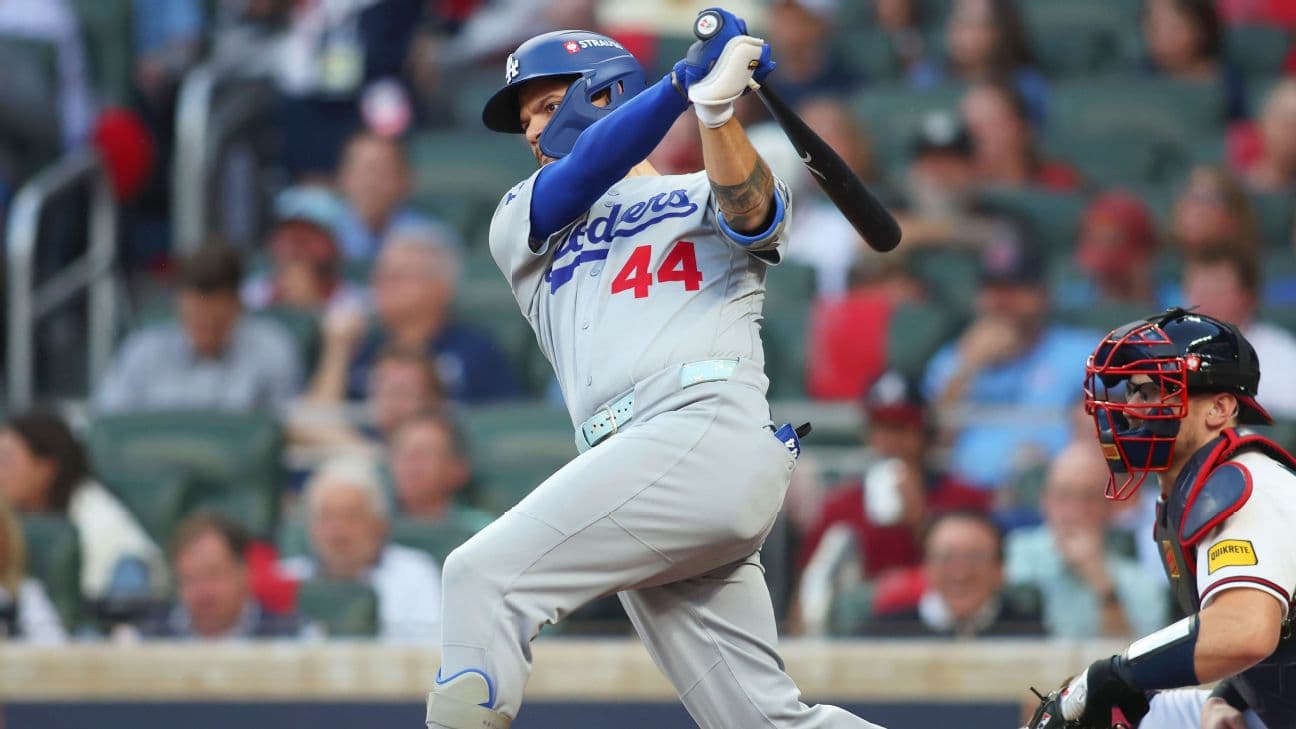
As the trade deadline approaches, a familiar problem is shaping the market: too many contenders need help at shortstop, and too few impact bats are realistically available. Reporting has the New York Yankees exploring middle-infield upgrades and the Atlanta Braves searching for a shortstop solution, while sellers weigh whether to move controllable, everyday players. For fantasy managers, a shortstop changing teams is one of the most value-altering events of the summer, because it can reshape a hitter's lineup spot, ballpark, and run environment overnight.
The supply side is thin, which is exactly why the market is worth watching closely. When demand outstrips supply at a premium position, the players who do move tend to land in better lineups, and better lineups tend to lift fantasy value. That is the lens that matters here.
The buyers and their needs
The Yankees headline the group of clubs with a clear infield itch. Reporting has New York looking into options up the middle, with Washington's C.J. Abrams among the names discussed, though the Nationals are described as reluctant to move a controllable shortstop with multiple years remaining. Abrams is an intriguing fantasy target regardless of destination: a speed-and-power middle infielder whose stolen-base contribution alone makes him valuable, and whose ceiling climbs if he lands in a stronger lineup. Evaluators reportedly have questions about his defense, but fantasy managers care about at-bats and counting stats, and a move to a contender would only help both.
Atlanta is the other buyer with an obvious hole. Reporting suggests the Braves need a shortstop and may not view their current internal option as a viable everyday answer. Atlanta's lineup is a run-scoring machine when healthy, so any shortstop who lands there gains fantasy value through sheer lineup context. Managers holding rosterable middle infielders on selling teams should track the Braves closely, because a move to that offense is a value-raiser for almost any bat.
The names who could move
The available pool is where the market gets tricky. Houston's Jeremy Pena has surfaced in deadline speculation, with at least one market read giving him a meaningful chance of being dealt as the Astros weigh replenishing their farm system, though a recent calf strain and IL stint complicate any showcase. Pena to a new contender would be a fascinating fantasy case: a steady everyday shortstop whose value would swing with his new ballpark and lineup slot.
Beyond the headline names, the deadline shortstop market tends to include role-player types and defensive specialists who carry more real-world value than fantasy value. That gap is the key for managers: not every shortstop who gets traded is a fantasy add. The ones who matter are the everyday bats who land in better offenses, and the speed contributors whose stolen bases travel regardless of context.
The Verdexed model take
Verdexed's model frames the shortstop market as a demand-driven environment where the few impact bats who move should see their fantasy value hold or rise, because contenders do not trade prospect capital for players they intend to bench. The model's cleanest signal is to prioritize speed-and-lineup upside: a shortstop who steals bases and lands in a strong order is the archetype most likely to reward a fantasy manager who buys ahead of, or reacts quickly to, a deal.
On the team side, the model views both the Yankees and Braves as legitimate contenders whose deadline additions would sharpen already-strong rosters. It treats Washington as a reluctant seller and Houston as a club with a genuine internal debate, which means the highest-probability moves may be smaller than the marquee names fans are hoping for. For fantasy purposes, the model's advice is to stay nimble: identify the sellers with movable everyday middle infielders, and be ready to add the moment a bat lands somewhere better.
Betting angle
Deadline additions at premium positions move team futures, and a contender that solves a shortstop hole can see its division and playoff numbers tighten. Bettors evaluating the Yankees and Braves should weight how each addresses its infield, because upgrading an everyday spot in a strong lineup compounds run-scoring value over the stretch run. The sellers' outlooks move in the opposite direction; a club that trades a productive shortstop is signaling a step back, and its remaining-schedule projections should reflect the downgrade.
What to do in your league
Monitor the shortstop market with a fantasy filter, not a real-world one. Target speed contributors and everyday bats who could land in better lineups, and be ready to add them the instant a deal is done. If you hold a shortstop on a selling team, a trade to Atlanta or New York is a value-raiser worth holding for. And do not chase the defensive-specialist names that generate headlines but not fantasy production. The deadline shortstop market is thin, which means the bats who do move will matter, and the managers watching most closely will get the jump on the value that changes teams.
The bottom line
Every deadline produces a handful of trades that quietly reshape fantasy rosters, and premium positions are where those swings are largest. A shortstop who moves from a middling lineup to a contender's order can gain a full tier of run-production value overnight, while the counting stats of a speed-first middle infielder travel regardless of destination. The managers who profit are the ones who have already identified the movable bats and mapped where each would gain value, rather than scrambling to react after a deal breaks. With the Yankees and Braves among the buyers and the supply genuinely thin, the market is set up for a small number of high-impact moves. Do the homework now, keep the speed-and-lineup archetype at the top of your watch list, and be ready to add the instant a shortstop lands somewhere that lifts his numbers.