 MLB2026-07-08
MLB Second-Half Saves Market: Edwin Diaz's Dodgers Return Headlines a Shifting Ninth-Inning Picture
By Verdexed Fantasy Desk
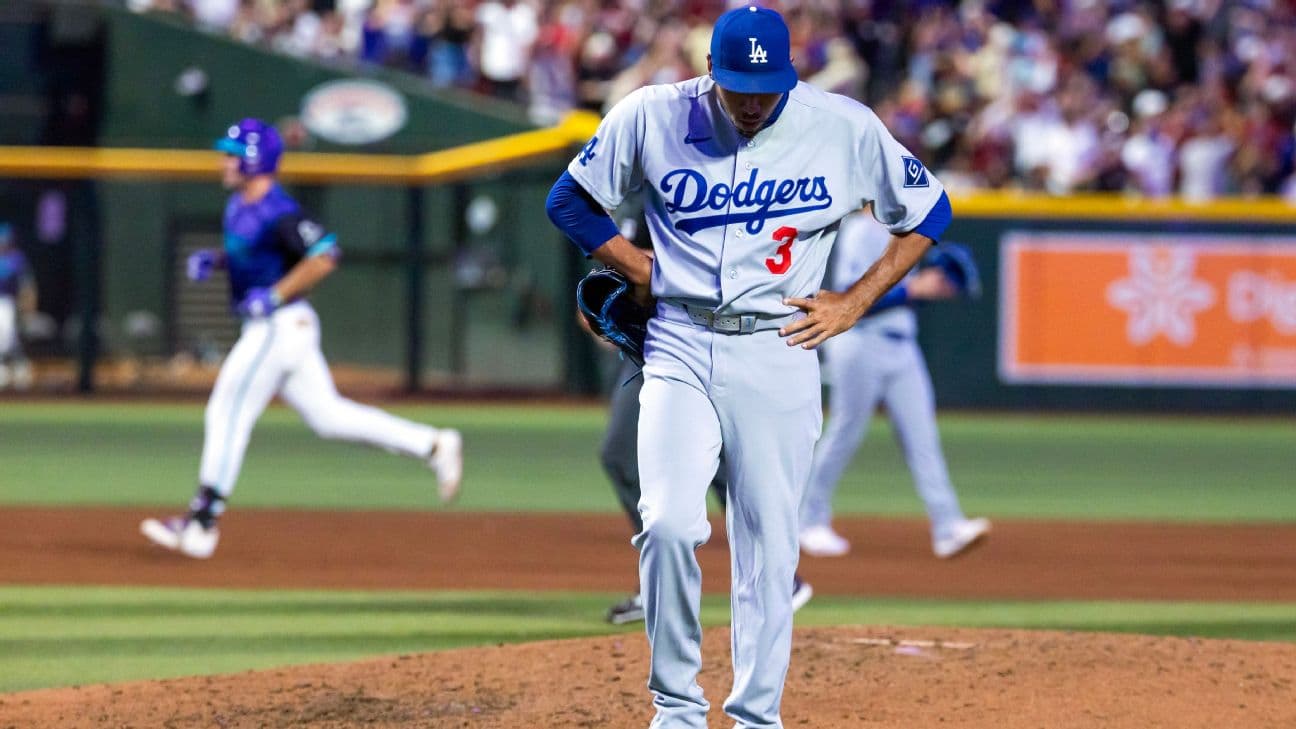
Saves are the most volatile category in fantasy baseball, and the second half is opening with the ninth inning in flux across several contenders. The headline is Edwin Diaz, who is on track to return from the injured list after the All-Star break and reclaim the closer role in Los Angeles. Add a fresh committee in Baltimore and a deadline that could reshuffle bullpens entirely, and saves-league managers have real decisions to make right now.
Diaz is the name that moves the market. Signed by the Dodgers to a three-year, $69 million deal as a free agent, he has been sidelined since late April with loose bodies in his elbow. The encouraging news is that he has resumed throwing, including live batting practice, and appears on track for activation after the break. When he returns, he would presumably reclaim the closer job, with Tanner Scott sliding back to setup duty. For managers who stashed Diaz, that is the payoff; for those rostering Scott for saves in the interim, it is the warning to pivot.
The Dodgers' ninth inning resets
The Diaz return is the cleanest saves storyline of the second half because it restores an elite closer to a team that wins a lot of games. A high-strikeout closer on a contender is the gold standard for the category, combining volume of opportunities with the ratios that help everywhere else. Managers holding Diaz should expect him to step back into the role quickly, and those who leaned on Scott during the injury should recognize that his save share is about to shrink even as his overall value stays strong in setup work.
The nuance is timing. A closer returning from an elbow issue may be eased in, and the Dodgers could pick spots early to protect him. That creates a brief window where the ninth inning is not a lock, but the medium-term direction is clear: Diaz is the closer when healthy, full stop.
Baltimore turns to a committee
The messier situation is in Baltimore, where Ryan Helsley landed on the injured list with an elbow issue over the Fourth of July weekend. In his absence, the Orioles have leaned on a committee, with Tyler Wells emerging as the early leader after saving a pair of weekend wins and pitching well enough in totality to hold the job for a stretch. Names like Yennier Cano and Andrew Kittredge factor into the mix, and Felix Bautista, working back from a shoulder issue on the 60-day injured list, has resumed throwing and could become a factor in the second half.
For saves-league managers, Wells is the speculative add worth making now. Committees reward the reliever who strings together clean outings, and Wells has the early inside track. But this is a situation to hold loosely: a Bautista return or a deadline addition could change the pecking order in an instant, which is exactly why the Orioles' ninth inning is a monitor-and-react spot rather than a set-and-forget one.
The deadline wild card
The August 3 deadline hangs over every bullpen. Relievers are among the most-traded assets in July, and a closer dealt from a seller to a contender often loses the ninth inning to an incumbent, tanking his save value overnight. Managers holding closers on non-contenders should price that risk in. The flip side is that a setup man who inherits a vacated ninth inning becomes an instant saves source, which is the kind of speculative stash that wins the category cheaply.
The Verdexed model take
Verdexed's model prioritizes two inputs for saves: the reliever's grip on the role and his team's win expectation, since saves require both opportunity and a lead to protect. By that measure, Diaz is the second half's top saves riser once activated, pairing an elite skill set with a Dodgers club that generates a steady stream of save chances. The projection treats his return as a decisive upgrade over any interim option in that bullpen.
In Baltimore, the model reads Wells as the current best bet but assigns wide uncertainty given the committee structure and the looming returns and deadline moves. Its broader guidance is strategic: in the second half, the managers who win saves are the ones who anticipate role changes a beat early, stashing the setup man next in line before the job opens rather than chasing saves after they are already gone. The cleanest edges right now are holding Diaz through his return and speculating on Wells while staying ready to pivot.
The deadline's saves ripple
Beyond the injury returns, the August 3 deadline is the single biggest variable hanging over the category. Boston's situation is the clearest example: its closer has been floated as one of the deadline's premier relief chips, and a trade would not only change his own save outlook but potentially open the ninth inning for a setup man left behind. Every contender that adds a high-leverage arm and every seller that ships one out sends a shockwave through two bullpens at once, which is why the saves landscape in mid-August rarely resembles the one in mid-July.
The strategic response is to hold roster flexibility now. Managers who spend a bench spot speculating on the next setup man in line, particularly on teams likely to trade their closer, position themselves to grab saves before they hit the wire. That proactive approach beats chasing saves after a role has already changed hands, when the price in trade or FAAB has spiked. In a category defined by scarcity and volatility, the manager who anticipates the deadline's ripple effects wins the second-half saves battle.
What's next
Watch for the Dodgers to formally activate Diaz in the days after the break and for Baltimore's committee to clarify as Wells either cements the role or cedes it to a returning arm. Layer the deadline on top, and the saves landscape could look meaningfully different by mid-August. The actionable plan: hold Diaz, add Wells as a speculative saves source, and keep a roster spot flexible for the next closer opening the deadline creates.