Roman Anthony Is Homering in Rehab Games and the Red Sox Lineup Is About to Change Shape
By Verdexed MLB Desk
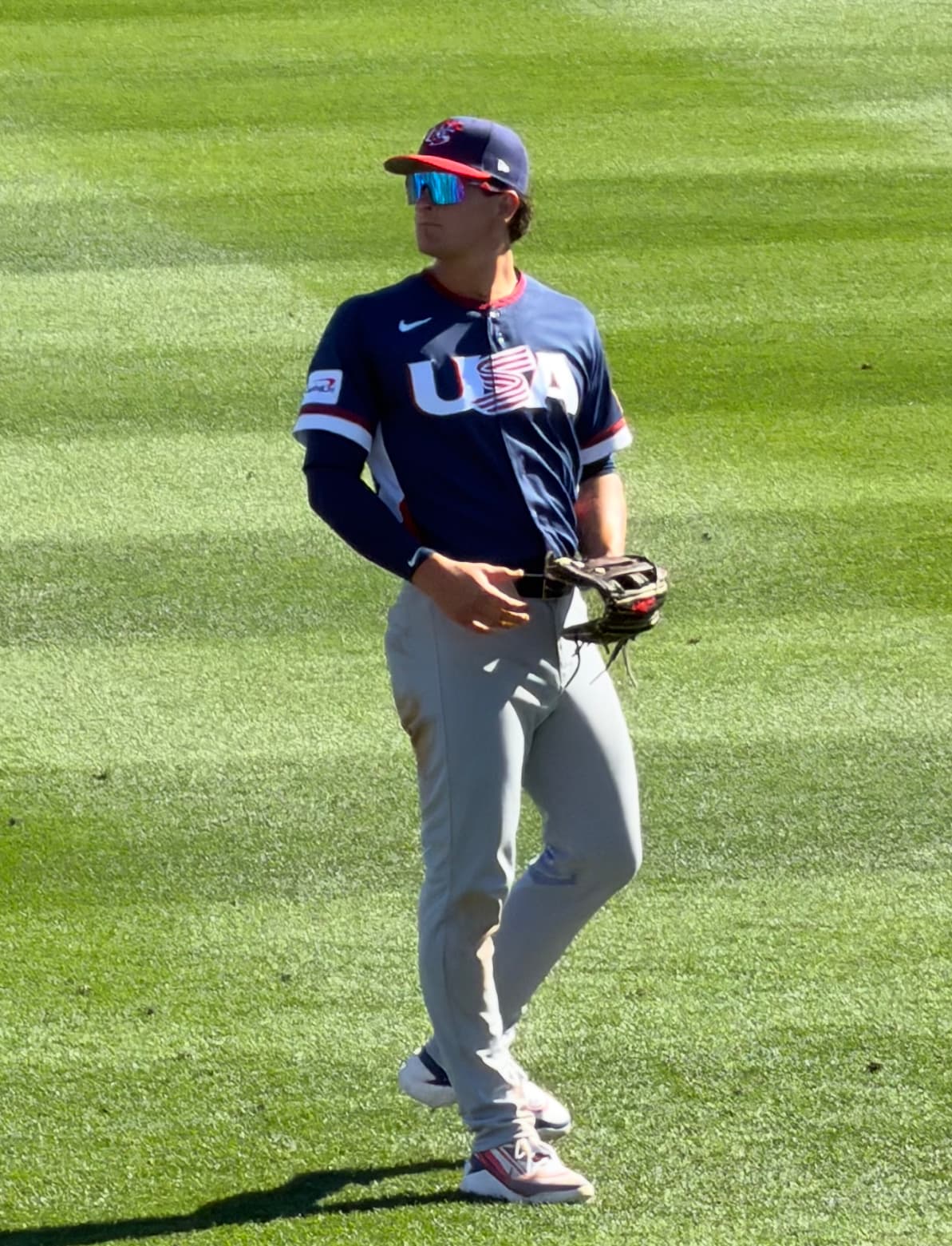
Roman Anthony is on a rehab assignment and producing immediately, reaching base in all four plate appearances in his first game with Double-A Portland since May 4 and homering in the process. Manager Chad Tracy has indicated that when Anthony returns, he is expected to be Boston's everyday leadoff hitter, splitting time between left field and designated hitter.
Anthony has been out since early May with a partially torn ligament in his right hand. The Red Sox have said there is still work to do and at-bats to accumulate before he is activated, with reporting pointing toward late August or early September for a return.
Why this is the most important Red Sox roster development of the month
Boston has been running an outfield of Jarren Duran, Ceddanne Rafaela, and Wilyer Abreu in Anthony's absence, with Jahmai Jones and Eli White available off the bench. That is a functional group. It is not the group Boston expected to field, and it does not include the player the organization views as its best long-term hitter.
Adding Anthony as the everyday leadoff man does two things at once. It puts the team's highest on-base profile at the top of the lineup, which raises the run-scoring floor for everybody hitting behind him. And it creates a roster crunch, because five outfielders and a designated hitter slot do not divide cleanly among the players currently occupying them.
That crunch is the fantasy story. Somebody's playing time goes away, and it will not be Anthony's.
The injury detail that matters
A partially torn ligament in the hand of a hitter is one of the injuries with the worst reputation in baseball, because hand and wrist injuries famously suppress power output for months after a player is nominally healthy. That reputation is earned for wrist fractures and for the specific tendon injuries that require surgical repair.
The early rehab evidence here cuts the other way. A home run and a multi-hit game in the first outing back is not proof of anything over a four-plate-appearance sample, but it is the opposite of what a hitter with a lingering hand problem produces. Hitters whose hands are not right make weak contact and take defensive swings. Anthony did neither in his first look.
The more relevant concern is timing rather than strength. Three and a half months without live pitching is a long layoff, and the reason Boston is being deliberate about the rehab assignment is at-bats, not health.
Fantasy fallout
Roman Anthony. He should be rostered in every league of any depth right now, before activation. An everyday leadoff hitter on a competitive team with real power is a top-tier waiver claim, and the acquisition cost rises the day he is activated rather than the day he is announced.
Jarren Duran. The most complicated case. Duran has been playing every day and his fantasy value rests substantially on stolen base volume, which is lineup-position dependent. Moving down the order costs him plate appearances and running opportunities. He remains a starter in most formats, with a trimmed projection.
Wilyer Abreu and Ceddanne Rafaela. Both lose some playing-time certainty. Rafaela's defensive value protects him more than Abreu's bat protects Abreu, which makes Abreu the more likely player to see a reduced role against left-handed pitching.
Everyone hitting second through fifth. A quiet, real gain. Run and RBI production is a function of the men on base ahead of you, and installing a high on-base hitter at leadoff raises those counting stats across the middle of the order.
The Verdexed model take
Verdexed's model separates a hitter's projection into rate performance and opportunity, and lineup position is one of the largest opportunity levers in baseball. Moving from sixth to first is worth roughly one additional plate appearance every other game across a full season, which compounds into meaningful counting-stat differences over six weeks.
Applied to Boston, the model's read is that adding Anthony at leadoff raises the team's projected runs per game by more than his individual projection alone would suggest, because the redistribution helps the hitters behind him. The offsetting adjustment is on Duran, whose projected stolen bases fall with his lineup slot.
The model also flags Trevor Story, who has been on his own rehab assignment from sports hernia surgery and has targeted a return around this same window. Boston getting both a leadoff hitter and its everyday shortstop back inside the same two-week stretch is a larger lineup change than either move alone.
Betting angle
Boston team totals will adjust once Anthony is activated, but the adjustment tends to lag the news by several days because books price off recent run-scoring and recent run-scoring does not include a player who has not played since May.
That lag is the window. Boston overs in the first week after Anthony's activation, particularly at home and particularly against right-handed pitching, are the shape of a stale number. The same logic applies to the Red Sox side in games where the market has not repriced the lineup.
What to do in your league
Claim Anthony now if he is available. Do not wait for the activation, because the entire edge is in acquiring him before the news becomes official.
Hold Duran but temper expectations, particularly in leagues that weight stolen bases heavily. If a leaguemate wants him at his current price, that is a reasonable sell window.
Drop Abreu in shallow leagues if you need the roster spot for Anthony. That is a straight upgrade in expected playing time and expected production.
What's next
The rehab assignment continues until Boston is satisfied with the at-bat total, which is a judgment call rather than a fixed number. The signal to watch is a move from Double-A Portland to Triple-A Worcester, which is the standard last step before activation. When that happens, the clock is measured in days.