 NBA2026-07-01
Kawhi Leonard Traded to the Raptors: Brandon Ingram and Gradey Dick Head to the Clippers in a Blockbuster
By Verdexed NBA Desk
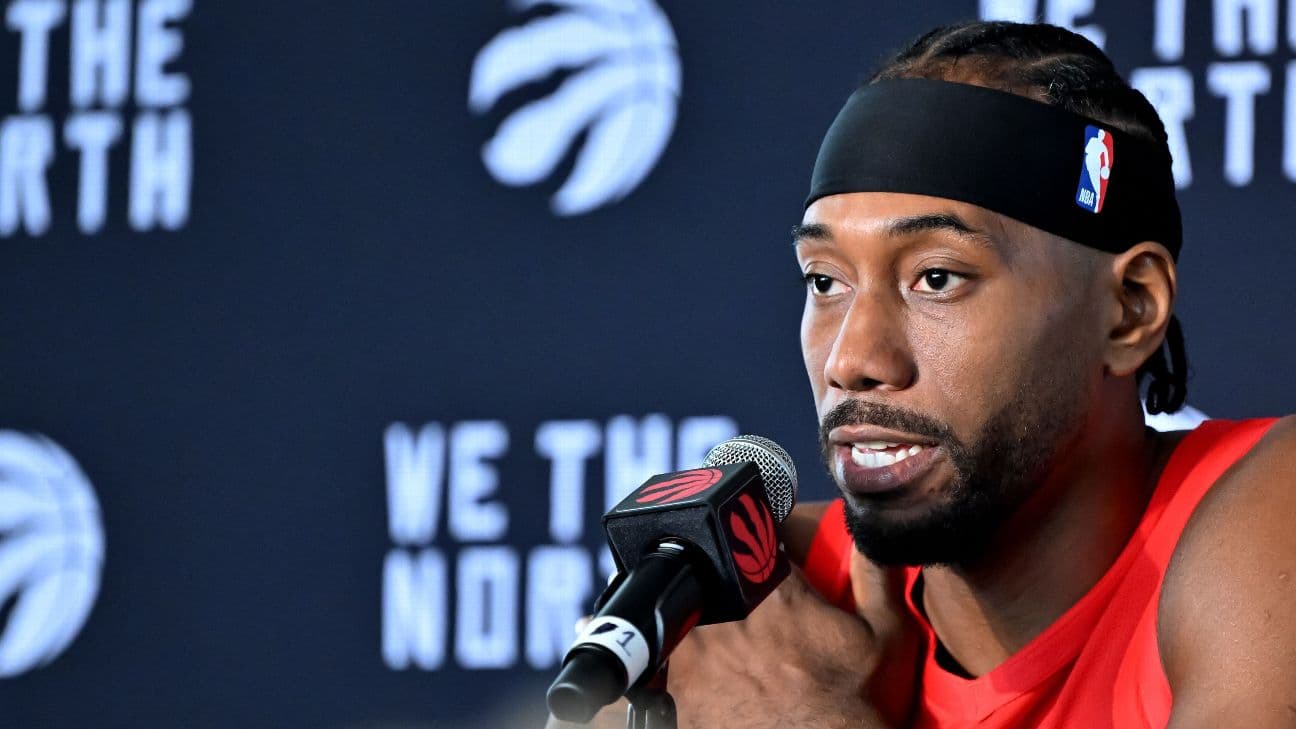
The Los Angeles Clippers have agreed to trade Kawhi Leonard to the Toronto Raptors, sending one of the defining stars of the last decade back to the city where he won a championship. The deal was finalized June 30, 2026, and it counts as one of the most consequential offseason moves in recent memory, reuniting Leonard with the franchise he lifted to its first title.
In exchange for Leonard, the Clippers receive a substantial return built around win-now talent and future draft capital. Toronto sends Los Angeles forward Brandon Ingram, guard Gradey Dick, unprotected first-round picks in 2031 and 2033, second-round picks in 2030 and 2033, and a 2027 first-round pick swap. It is a package designed to keep the Clippers competitive in the present while giving Toronto its franchise centerpiece.
A homecoming for Kawhi
Leonard's return to Toronto carries obvious weight. He played a single season for the Raptors in 2018-19, but that year became franchise history. He captured Finals MVP honors while leading Toronto to the 2019 championship, the only title in the organization's history. His departure that summer left a lasting sense of unfinished business among the fan base, and this trade closes that loop.
According to the terms of the agreement, Leonard intends to sign a two-year extension that would keep him under contract through the 2028-29 season. That commitment signals that this is not a short-term rental. Toronto is betting on Leonard as a multi-year anchor for a roster that has been building around a young core, and the extension gives the front office cost certainty as it plots its next competitive window.
Why the Clippers made the move
For Los Angeles, the trade represents a pivot. Rather than continuing to build around Leonard's availability, the Clippers are cashing in on a proven star to acquire a younger featured scorer, a developing wing, and a deep well of draft assets. The two unprotected firsts in 2031 and 2033, along with the earlier swap and second-rounders, give the front office flexibility to retool or accelerate future deals.
Brandon Ingram headlines the incoming talent. The 28-year-old All-Star forward averaged 21.5 points and 5.6 rebounds over 77 games in his lone season with Toronto, and he arrives in Los Angeles as a clear focal point of the offense. Gradey Dick, the 13th overall pick in the 2023 draft, has averaged 9.2 points and 2.5 rebounds across his first three seasons and gives the Clippers a young shooter to develop.
Fantasy fallout
The fantasy implications ripple across both rosters, and the biggest winner is clear.
Brandon Ingram is the headline riser. Moving into a featured role in Los Angeles, Ingram profiles for a meaningful usage bump. In Toronto he shared shot creation with a crowded young core, but in this new setup he projects as a primary scoring option. That kind of role change historically lifts scoring output, assists, and free-throw volume. Managers should expect his usage rate to climb, and with it, his ceiling in points-league and category formats alike. His counting stats stand to benefit from a lineup that will lean on him to generate offense.
Gradey Dick becomes an intriguing sleeper. A change of scenery often unlocks opportunity for young players stuck behind established scorers, and Dick fits that mold. With a path to more minutes and a larger share of shot attempts in Los Angeles, his three-point volume and scoring could take a step forward. He is not a lock for a breakout, but the opportunity cost of a late-round flier is low relative to the upside if his role expands.
Kawhi Leonard's outlook in Toronto is a study in per-game value versus availability. On a per-game basis, a healthy Leonard remains one of the most efficient two-way producers in the sport, and sharing the floor with a young core that includes Scottie Barnes gives him room to operate without carrying every possession. The complication is his well-documented history of load management and injuries. His games-played risk is real, and it should temper any expectation of a full slate. Fantasy managers have to weigh elite per-game production against a discount for the nights he will inevitably sit.
The presence of Barnes and Toronto's other young pieces also matters for the broader Raptors picture. Leonard's arrival could compress some usage for the supporting cast, though his availability concerns may leave more nights of elevated opportunity for the players around him than a typical star acquisition would.
Team and betting implications
Beyond individual fantasy value, the trade reshapes the outlook for both franchises. Toronto adds a championship-tested star to a roster that was already trending younger and more athletic, a combination that should nudge the Raptors' projected win total upward for the coming season. The extension through 2028-29 suggests the organization views this as the start of a genuine contention window rather than a one-year experiment.
Los Angeles, by contrast, moves toward a more balanced roster construction. Ingram gives the Clippers a durable featured scorer, Dick adds youth and shooting, and the draft capital preserves optionality. The near-term win total may hinge on how quickly the new pieces mesh, but the franchise gains flexibility that a Leonard-dependent roster did not offer. Bettors evaluating season-long markets should account for the availability variance both teams now carry, with Toronto's ceiling tied to Leonard's health and the Clippers' floor supported by Ingram's steadier games-played history.
The Verdexed model take
The Verdexed model reads this trade as a clear reshuffling of fantasy tiers. Ingram grades as the biggest value shift, with a role change that supports a higher usage projection and a stronger scoring profile than his Toronto season delivered. His steadier availability, relative to Leonard's, adds to the appeal because production only counts when a player is on the floor.
Leonard remains an elite talent on a rate basis, but the model applies a meaningful discount for games-played risk. That discount does not erase his value; it reframes it. He is a per-game star who must be managed around rest and injury, which makes his real-season and fantasy value dependent on availability more than talent.
Dick sits in the speculative tier, a low-cost bet on expanded opportunity. The model does not project a guaranteed leap, but the range of outcomes justifies a late-round look.
Actionable takeaways
Target Brandon Ingram as an ADP riser. His move into a featured role in Los Angeles supports a usage and scoring bump, and managers should be comfortable drafting him ahead of where his Toronto production alone would suggest.
Value Kawhi Leonard on a per-game basis, but apply an availability discount. His ceiling is elite when healthy, yet his load-management and injury history mean draft-day price should reflect the games he is likely to miss. Treat him as a high-upside piece rather than a workhorse.
Stash Gradey Dick as a sleeper. The path to more minutes and shots in Los Angeles makes him a sensible late-round flier with real upside if his role grows.
The blockbuster is done, and both fantasy boards and betting markets will spend the offseason adjusting to a new landscape defined by Leonard's homecoming and the featured opportunity now waiting in Los Angeles.