Houston and Texas Are Tied at 80-81 and the Astros Only Have to Match the Rangers
By Verdexed MLB Desk
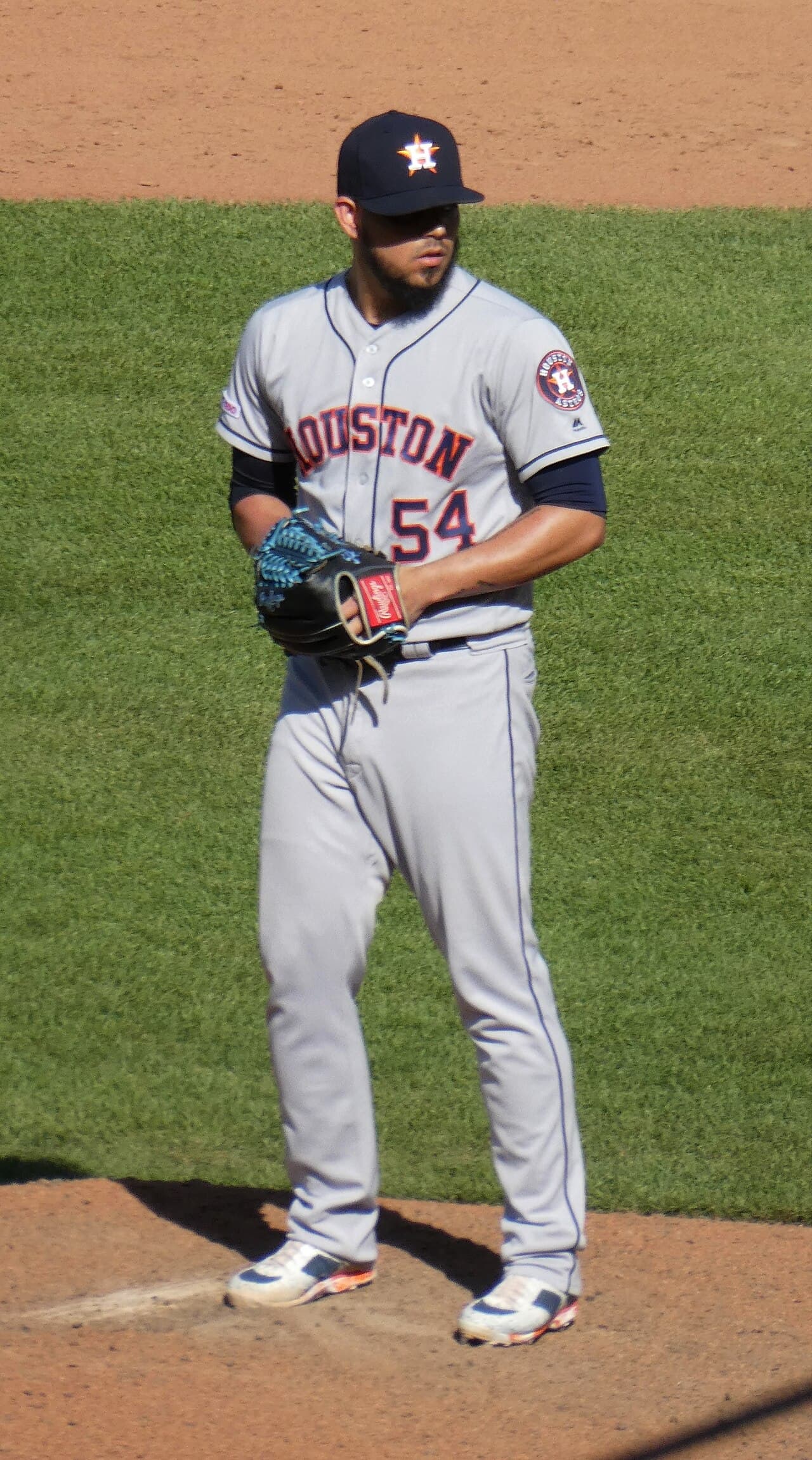
The American League West comes down to Sunday afternoon, and the math favors Houston. The Astros and Rangers both sit at 80-81 entering the final day of the regular season, and Houston owns the season-series tiebreaker. That means Texas cannot win the division by matching Houston's result. The Rangers need to win and need the Astros to lose.
If both teams win, Houston is the division champion. If both lose, Houston is the division champion. There is exactly one path for Texas, and it requires two things to go right.
How Saturday set this up
Houston looked like it would clinch on Saturday night. The Astros routed the Athletics 13-2 in West Sacramento, doing everything required of them. Texas then beat the Minnesota Twins to stay level, denying Houston the celebration and forcing a 162nd game with the division on the line.
Texas closes on the road against the Twins. Houston plays in the early afternoon window. The sequencing matters for anyone watching or betting, because if the Astros win before the Rangers game resolves, the division is over regardless of what Texas does.
The strangest division race in recent memory
The winner of this division will finish with at most 82 wins. That would tie the fewest wins by a division champion in the modern era, matching the 2005 San Diego Padres and the 1973 New York Mets. A team that finished under .500 or barely at it will host a postseason series as the No. 3 seed in the American League.
The loser goes home. There is no consolation wild card, because the American League's three wild card berths are already accounted for by the Yankees, the Red Sox, and the White Sox. One of these two teams plays October baseball with home-field advantage in a best-of-three series, and the other finishes the season on Sunday evening.
That is an enormous swing in outcome for a single game between two teams that were, by record, indistinguishable over six months.
The betting angle
The pricing question on a game like this is whether the market correctly accounts for the asymmetry in motivation. Both teams are playing a must-win game in practical terms, since Texas needs the win and Houston wants to avoid depending on the scoreboard. That symmetry means motivation is not an edge.
Where edges exist on the final day is in lineup and pitching decisions. A team with a postseason series starting Tuesday has to balance winning today against arriving in October with a rested staff and an aligned rotation. Houston has a genuine dilemma: it can secure the division with a win, but it also knows a bye is not on the table and a wild card series begins in two days. Texas has no such conflict, because losing ends the season.
That argues for the Rangers being more willing to empty the tank, and it is the single most actionable observation on the board. Check the announced lineups and the bullpen availability before betting the side. If Houston rests regulars to protect the wild card series and Texas plays its best available group, the posted price is likely stale.
The Athletics and Twins are the other variable. Both are eliminated, and eliminated teams in game 162 are unpredictable. They may empty their rosters of prospects and call-ups, which raises variance in both directions and makes the total the harder market to handicap than the side.
The Verdexed model take
The model treats this as close to a coin flip on talent, with a small edge to whichever team announces the stronger starting pitcher and the fuller lineup. On the division question, the tiebreaker is worth a substantial amount of implied probability to Houston: the Astros win the division in every scenario except one, which puts their division probability well above 70 percent before the first pitch.
On the postseason question, the model's view is less kind to both teams. A division winner with 82 wins facing a wild card opponent in a best-of-three series is not a favorite in any meaningful sense beyond home field. Whichever team survives Sunday is a live underdog in October rather than a contender, and the series price should reflect that.
The more interesting model output concerns the next round. The AL West champion, if it advances, would face a rested Cleveland team that clinched the No. 2 seed and a first-round bye. That is the least favorable possible draw for a team that will have burned its best two starters in a wild card series.
What it means for the bracket
The AL field is now nearly complete. Tampa Bay won the AL East. Cleveland has the No. 2 seed and a bye. The Yankees and Red Sox open their wild card series at Yankee Stadium on Tuesday. The White Sox travel to whichever of Houston or Texas wins on Sunday.
For bettors building a bracket, the practical implication is that the American League's No. 3 seed is the weakest such seed in the format's history, and the White Sox are live in that series regardless of how unlikely their presence in the field looks. A best-of-three between an 82-win division winner and an 83-win wild card team is a genuine coin flip, and it should be priced as one.
What's next
Watch for two things on Sunday. First, the announced starters, because a team pitching a bullpen game on the final day is telling the market it is prioritizing Tuesday. Second, the Houston result, because it resolves the division before Texas finishes in most sequences.
The takeaway for anyone with money or a bracket on the line: Houston controls this. The Astros need only to match the Rangers, and they have already shown they can beat the team in front of them. Texas needs perfection and help, and needing help on the final day of a 162-game season is how most of these races end.