 NHL2026-07-18
Connor Bedard Out Until November After Shoulder Surgery: The Blackhawks Fantasy Fallout
By Verdexed NHL Desk
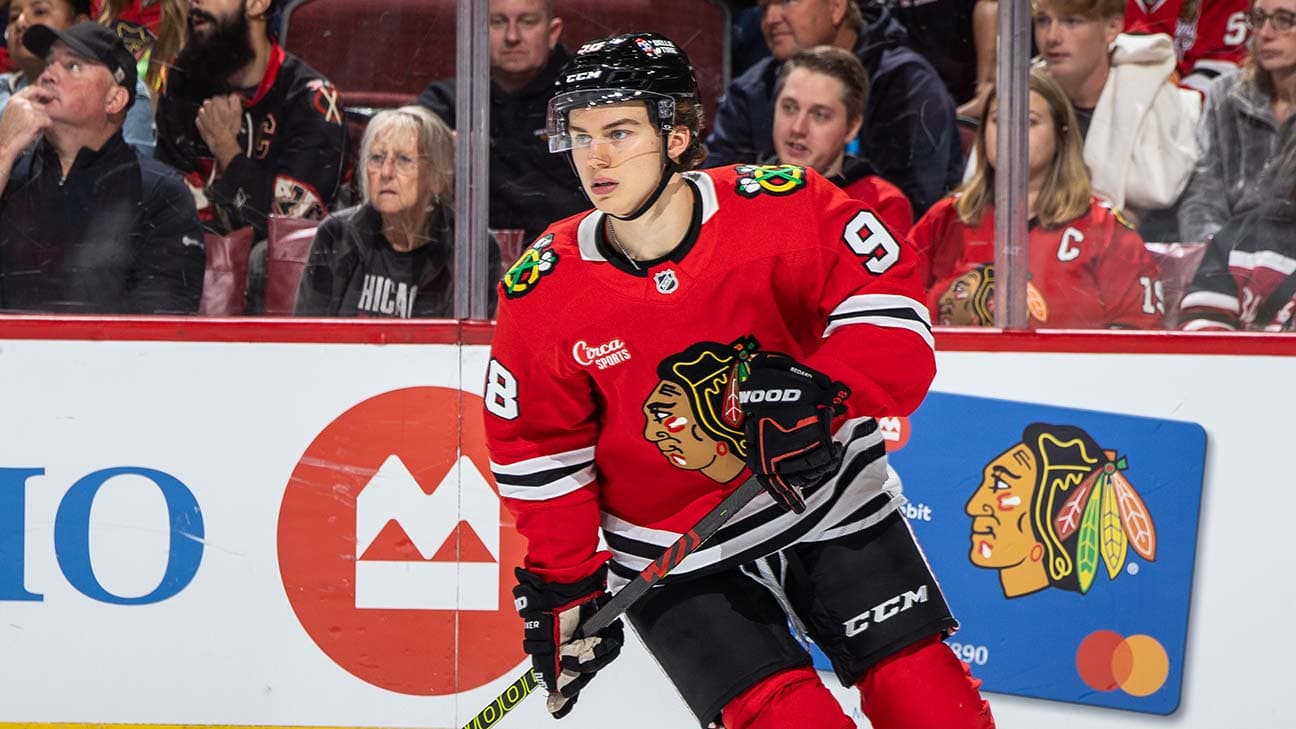
Connor Bedard will miss the start of the 2026-27 season after undergoing surgery on his left shoulder, a significant blow to the Chicago Blackhawks and a major variable for fantasy drafters. The team has pointed to a recovery timeline of roughly four months, which would slot his return to early-to-mid November, more than a month after the season's late-September start. For a player who was going to anchor fantasy rosters and Chicago's offense alike, the injury reshapes his draft value and opens the door for others.
What happened, and the timeline
Bedard was injured while practicing in Vancouver in early July. Video of the incident showed him losing an edge and crashing into the boards before leaving the ice favoring his left shoulder. He subsequently had surgery, and the Blackhawks have said fans should expect a full recovery on an approximate four-month timeline. With the NHL season set to begin in late September, that math points to Bedard missing at least the first month, with a realistic return window in November.
The framing matters. This is described as a full-recovery timeline, not a season-altering or career-threatening injury, which is the encouraging part. But a roughly four-month absence from a foundational player is a real cost, both for Chicago's competitiveness and for fantasy managers who need production from Week 1. Treat the return as a target, not a guarantee, and watch for updates as training camp progresses.
The fantasy read on Bedard
Bedard is a franchise talent whose per-game production is elite: he led Chicago in scoring last season with 75 points, including 30 goals, in 69 games. That per-game rate is exactly why he was going to be a high pick in fantasy drafts. The surgery does not change his talent, but it changes his availability, and availability is half the fantasy equation.
The recalibration is straightforward. In standard redraft leagues, Bedard slides down boards because a month-plus absence caps his counting-stat totals and forces managers to cover his roster spot early. In leagues with injured-reserve slots, he becomes an appealing stash: elite upside for the price of a discount, with a return that lands early enough in the season to still deliver most of his value. In dynasty formats, nothing changes about his long-term standing; this is a short-term availability question, not a talent one. Draft him according to your format's flexibility, and prioritize the ability to absorb the early-season absence.
Who benefits in Chicago
A month-plus without their best player forces the Blackhawks to redistribute offensive responsibility, and that is where fantasy opportunity appears. The forwards who move up the lineup and onto the top power-play unit in Bedard's absence are the ones to target, because power-play time and top-six minutes are the biggest drivers of fantasy production in hockey. Chicago's younger skill forwards and its primary playmakers stand to see elevated roles and usage while Bedard recovers.
The key is to identify who inherits the number-one center minutes and the top power-play bumper or flank role. Those are the spots that produce points, and the players who fill them become streaming-plus options for the opening month. Managers in deeper leagues should track Chicago's camp and preseason line combinations closely, because the beneficiaries of a Bedard absence are exactly the kind of value adds that win the early weeks of a fantasy season.
The betting angle
Losing a foundational player for the first month-plus lowers Chicago's ceiling in the games Bedard misses, which is relevant for the Blackhawks' early-season team totals and any game markets in October. A team already in a competitive rebuild is a tougher sell without its best offensive driver, so bettors should factor his absence into Chicago's opening-month outlook and into full-season win-total considerations that assume a full year of his production.
The flip side is the market's tendency to overreact to a star's absence. If Chicago's early-season numbers are shaded heavily by Bedard's injury, the role players stepping into bigger minutes may be undervalued in the same way fantasy managers can find edges there. The most useful betting information will come from Chicago's confirmed line combinations once camp opens.
The Verdexed model take
Verdexed's model keeps Bedard's per-game projection elite while cutting his season-long counting-stat totals to reflect a projected month-plus absence, which pushes him down redraft rankings but leaves him a strong injured-reserve stash and an unchanged dynasty asset. The model's clearest actionable output is on the beneficiaries: it flags the Chicago forwards likeliest to absorb top-six and top-power-play minutes as buy-early targets for the opening month, on the logic that role and power-play time drive fantasy scoring more than raw talent alone. At the team level, the model trims Chicago's early-season projection and advises waiting on confirmed line combinations before committing to either fantasy or betting positions tied to the Blackhawks.
What to do in your league
Draft Bedard at a discount and prioritize doing so in leagues with injured-reserve flexibility, where his November return still delivers most of his value. Cover the early-season absence with a reliable starter so you are not chasing production in October. Target the Chicago forwards who step into his minutes and power-play time, and watch the preseason lines to identify them before the market does. The talent is unchanged; the availability is the whole story, and the managers who plan around the timeline will get elite production at a reduced price.