 MLB2026-07-19
Clay Holmes' Starter Conversion Is Working: The Mets Arm Worth Stashing Through His IL Stint
By Verdexed MLB Desk
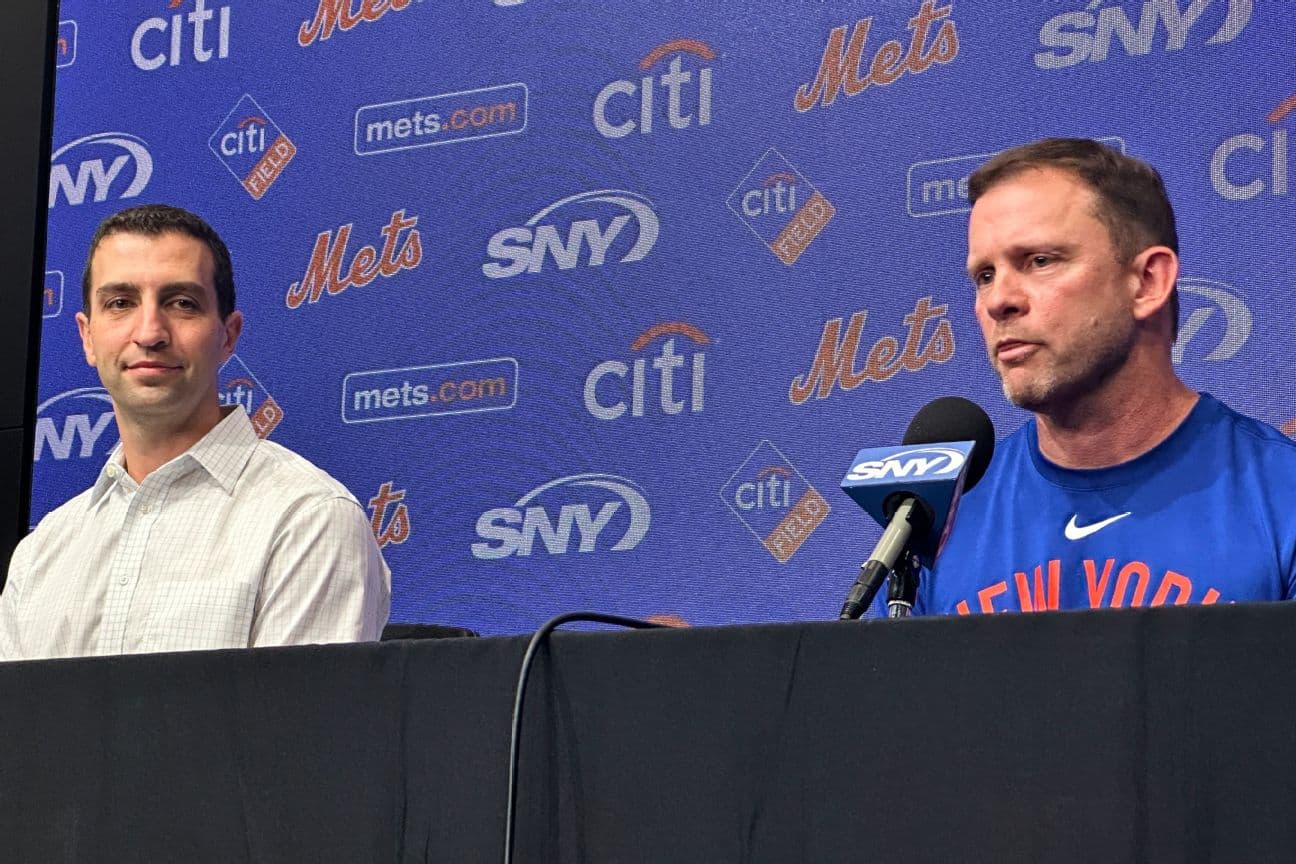
Clay Holmes has quietly become one of the more interesting fantasy pitching stories of the season, a former high-leverage reliever who has made the conversion to the rotation stick. He landed on the injured list after a strong run of starts, and with the New York Mets reportedly weighing an extension even as the club shifts toward selling at the deadline, Holmes is exactly the kind of arm fantasy managers should be buying low on before he returns.
The story
Holmes reworked his profile from the bullpen to the rotation and delivered, posting an ERA in the mid-2.00s across his run of starts before the injury interrupted it. That is a meaningful result for a pitcher whose transition many viewed as an experiment. Over his broader tenure with the Mets, spanning both relief and starting work, he has produced strong ratios, and the starter version has given the team a legitimate rotation piece rather than a stopgap.
The front-office context adds an interesting wrinkle. The Mets are reportedly expected to begin extension discussions with Holmes, and he has indicated he is open to a longer-term deal, per reporting on his comments. That matters for fantasy planning: a pitcher the team wants to extend is unlikely to be shipped out as a pure rental, which means Holmes projects to remain in a rotation role rather than getting shuffled into a new situation at the deadline. In a summer where the Mets are making much of their roster available, Holmes stands out as a piece they appear to value keeping.
Why the conversion holds up
The skill translation from reliever to starter is not automatic, and it is the reason Holmes is worth trusting rather than fading. His success as a starter suggests his arsenal and command have carried across roles, the profile that tends to hold up over a full season rather than evaporating once the league sees him a second and third time through the order. Pitchers who miss barrels and generate weak contact age well into a rotation role, and that ground-ball-leaning approach is a foundation fantasy managers can bank on.
The injury is the variable. Any IL stint for a converted starter raises the question of workload and whether the transition to a heavier innings load contributed. That is a reason to monitor his return rather than to assume an immediate full workload, but it is not a reason to give up on the underlying performance, which has been genuinely good.
Fantasy fallout
Holmes is a stash-and-hold in most formats. In leagues with injured-list slots, he is an easy hold through his absence given the ratios he was producing. In shallower leagues where roster space is tight, he is a priority add the moment a return timeline firms up, because a pitcher with a sub-3.00 ERA track record in the role is a weekly asset when active.
The extension chatter is a quiet positive for his rest-of-season outlook. A team that wants to keep a pitcher tends to protect and deploy him thoughtfully, and a Holmes who stays in New York avoids the disruption that a midseason trade can bring to a pitcher's rhythm and role. For managers, that stability is worth something: it lowers the odds of a surprise role change that could tank his value.
The Verdexed model take
Verdexed's model likes Holmes' underlying profile more than his name recognition suggests, weighting his contact-suppression metrics and his strong ratios in the starter role. The framework's read is that his expected ERA and WHIP support the surface results rather than flagging them as a mirage, which is the key question with any reliever-to-starter conversion. The injury introduces short-term uncertainty, but the model does not discount the talent.
The edge for a Verdexed reader is timing. Because Holmes is on the IL and pitches for a team publicly in sell mode, his perceived value in fantasy circles may be softer than his actual production warrants. That gap is the buy-low window. Managers who acquire him now, before a return date is set, are paying the discount that comes with uncertainty rather than the premium that will attach once he is throwing again.
The Mets' rotation picture
Holmes' situation sits inside a larger Mets story: a team reportedly shifting toward selling that nonetheless appears to value keeping certain controllable pieces. A converted starter producing strong ratios is exactly the kind of asset a retooling club builds around rather than cashes in, which is why the extension chatter is a signal about his role stability. For fantasy managers, that distinction separates Holmes from the pending free agents the Mets may actually move.
The rotation context also shapes his rest-of-season workload. A club managing an innings load on a converted reliever, especially one returning from an injury, may build in extra rest or the occasional skipped turn. That is not a knock on his ratios, which have been excellent, but it is a reason to bank the quality starts when they come rather than to project a full bell-cow workload. In fantasy pitching, a high-ratio arm with strong per-start value is worth owning even if the volume is managed.
What's next
Track his rehab progress and the eventual return timeline, and watch whether the extension talks produce a deal that formally removes him from any lingering trade speculation. If he returns healthy and stays in the Mets rotation, Holmes is a rosterable starter with strong ratios and a stable role, the kind of unglamorous, productive arm that wins fantasy pitching categories over a long second half. Buy the dip while the market is looking the other way.