 MLB2026-07-26
CJ Abrams Draws Yankees and Brewers Interest as the Nationals Listen: The Fantasy Fallout
By Verdexed MLB Desk
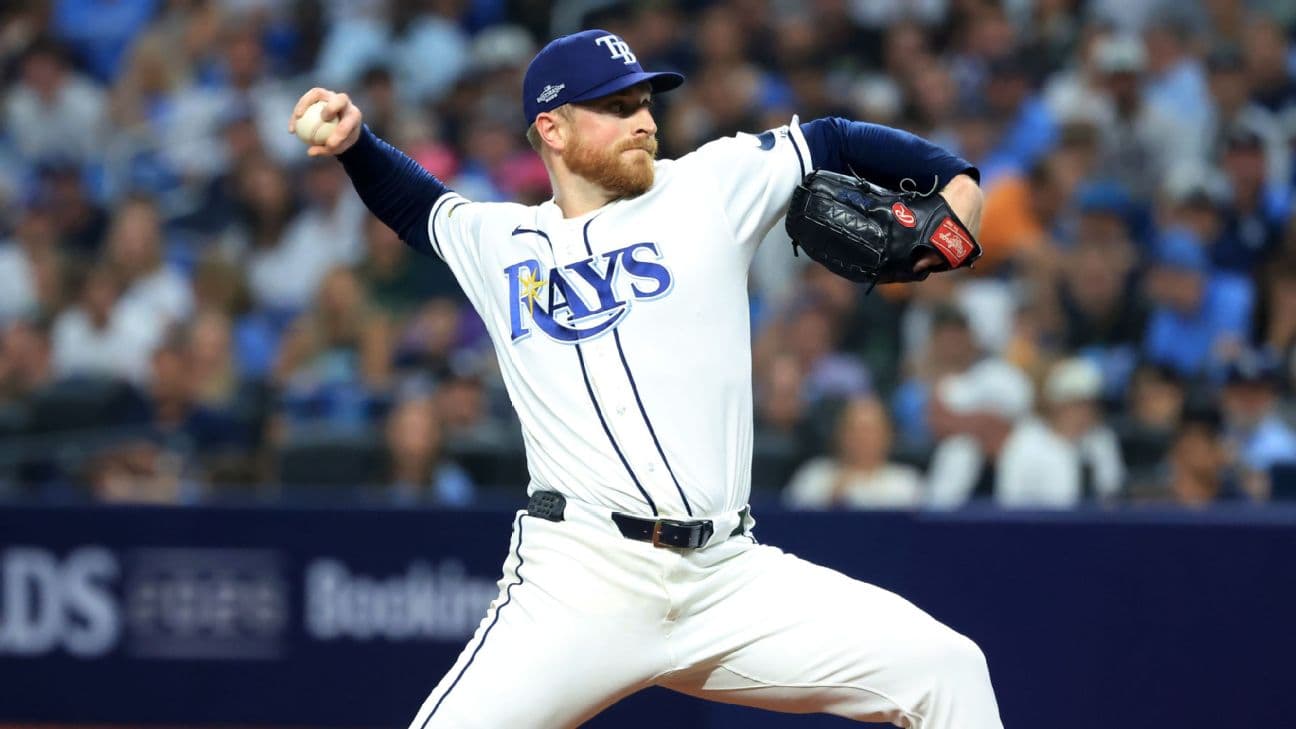
The Washington Nationals are not shopping CJ Abrams, but they will listen to offers ahead of the August 3 deadline, and reporting indicates they expect those offers to be more serious than the ones they fielded over the winter. The New York Yankees and Milwaukee Brewers have both been linked to the shortstop, with New York described as having checked in and Milwaukee expected to revisit a conversation it walked away from in the offseason over Washington's asking price.
Abrams is in the middle of the best season of his career. Reporting places him at 24 home runs, 76 runs batted in, 16 stolen bases, and a 148 OPS-plus through 100 games. He is under contract through 2028, which is the detail that governs everything about this market.
Why the control years change the math
A rental shortstop having a career year costs a good prospect. A shortstop with two and a half additional years of team control, producing at this level, costs a package that most contending farm systems cannot assemble without gutting themselves. Washington knows this, which is why the club can credibly say it is not shopping him while simultaneously inviting calls.
That asymmetry is the reason the Brewers balked in the winter and the reason they are expected to try again. Milwaukee operates on a model that values controllable years above almost anything else, and Abrams fits that profile exactly. The problem is that the same logic that makes him attractive to Milwaukee makes him expensive, and Milwaukee is not typically the club that wins a bidding war on prospect capital.
The Yankees case is structurally different. New York has a present-tense need at shortstop and a stated 2027 problem behind it, with reporting noting that Abrams could slide to second base next season if Jazz Chisholm Jr. departs as a pending free agent. That is a two-problems-one-player fit, which is the kind of logic that pushes a front office past its own valuation discipline.
The fantasy stakes are mostly about environment
Abrams is already rostered in every league that matters, so the fantasy question is not whether to acquire him. It is what a trade would do to a player who is currently producing a rare combination of power and speed from a premium position.
The park factor swing is the biggest single input. A left-handed hitter moving into Yankee Stadium gains access to a right-field porch that has inflated left-handed home run totals for a decade. For a shortstop already at 24 home runs, that is a meaningful upgrade to his power projection over the final two months, and it is the kind of change that shows up in the box score immediately rather than gradually.
The lineup context is the second input and it cuts the same direction. A player hitting in the top third of a contending order accumulates more plate appearances, more runs, and more runs batted in than the same player on a club playing out the string. Both listed suitors would represent an upgrade on that front.
The steals projection is the one category that could go the other way. Contending clubs are often more conservative with baserunning risk in high-leverage September games than a non-contender is in a lost season, and a manager protecting a lead is not sending a runner on a marginal jump. Managers who need stolen bases should not assume the pace holds.
The Verdexed model take
The model's read is that Abrams is more likely to finish the season in Washington than not. The reasoning is structural rather than sentimental: clubs with control through 2028 rarely trade in-season unless the return is overwhelming, and the acquiring team's incentive is to wait for the winter when more teams can bid and the price typically falls.
If a trade does happen, the model's rest-of-season projection for Abrams rises on power and runs and stays flat to slightly down on stolen bases, netting out as a modest positive. That is a smaller adjustment than the market usually applies to a deadline move, and it is worth saying plainly: trade news moves fantasy prices more than it moves fantasy production.
The larger model-flagged effect is on the Nationals. Washington moving a middle-of-the-order bat would degrade the club's run environment for the final two months, which drags down the counting-stat projections of every remaining Nationals hitter and, in the other direction, makes Washington's pitchers slightly worse win bets and their opponents better ones.
What to do in your league
If you roster Abrams, hold and do nothing. There is no version of this where a trade damages his value enough to justify selling into deadline uncertainty, and the most likely outcome is that nothing happens at all.
If you are a buyer in a league with active trading, the exploitable inefficiency is on the other Nationals hitters. Managers who see a rebuilding club selling tend to discount everyone on the roster, but a lineup does not lose all its value because one bat leaves. Buy the Washington hitters who get more protection-independent opportunity, not less.
What's next
The deadline is 6 p.m. Eastern on August 3. The tell to watch for is whether reporting shifts from teams checking in to teams engaging in prospect-name conversations, which is the point at which a listening posture becomes a negotiation. Absent that shift in the next week, treat this as offseason groundwork rather than a deadline story.