 NFL2026-07-01
2026 NFL Training Camp Report Dates: The Position Battles and Fantasy Storylines to Track as Camps Open
By Verdexed NFL Desk
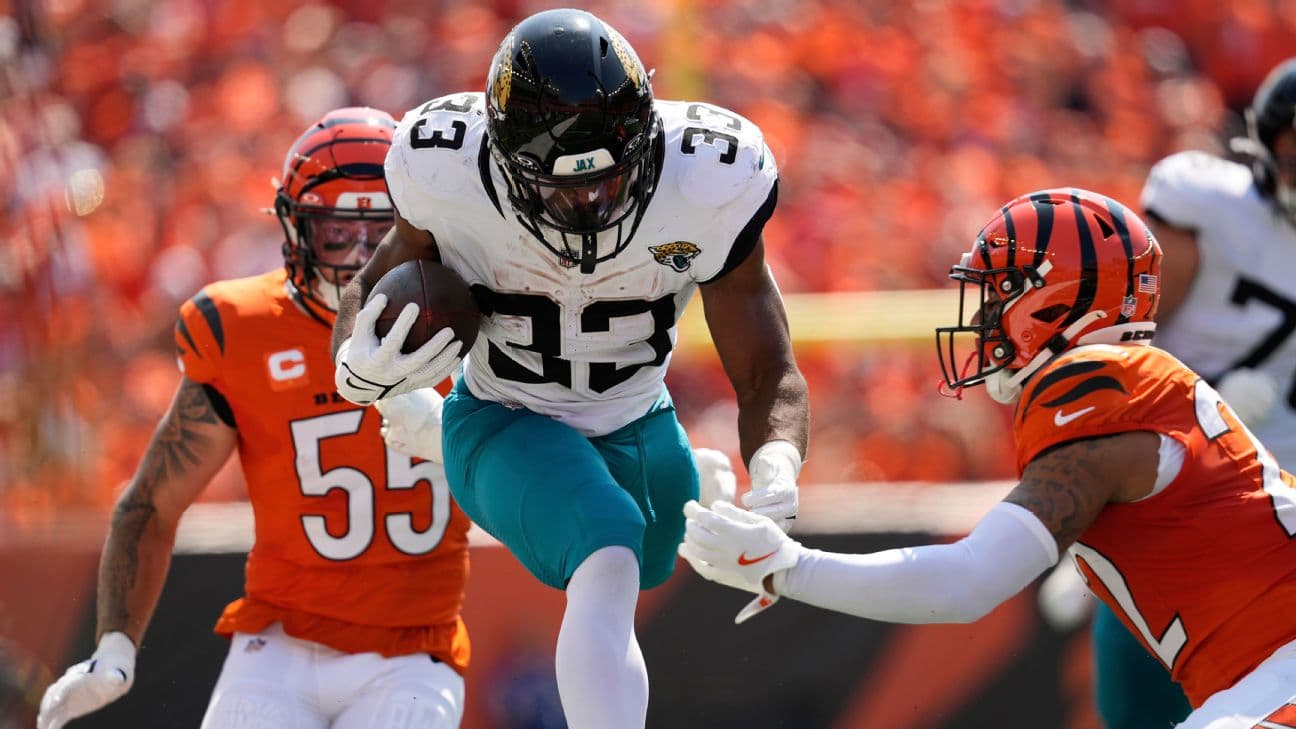
NFL training camps are about to open, and the calendar has finally turned to the part of the offseason that actually moves draft boards. Rookies report as early as July 17, with the Seattle Seahawks first through the door, and most teams will open camp across the second half of July. For fantasy managers, this is the window that matters most before Labor Day drafts. Depth charts that have been theoretical since May start to harden, and in some cases they shatter entirely.
The offseason program is now in its final phase. Everything that happens next carries real signal because, unlike voluntary spring work, camp brings pads, competition, and a coaching staff forced to make decisions. What follows is a field guide for managers who want to arrive at their draft with the freshest read on usage, injuries, and first-team reps.
Why camp is the highest-signal window
Spring practices tell you almost nothing about how a backfield or a receiver room will be deployed in September. OTAs are non-contact, participation is voluntary, and coaches rotate players through spots to evaluate rather than to establish a pecking order. Camp is different. When the pads come on, coaches begin sorting their rosters for real, and the players who take first-team reps in July are the ones most likely to command touches in Week 1.
That is why camp is the highest-signal window on the fantasy calendar. Three things emerge that managers cannot get anywhere else. First, usage becomes visible: who lines up with the starters, who handles passing-down work, and who gets goal-line looks. Second, injuries surface, and injuries reshape value overnight. Third, the depth-chart order stops being a guess and starts being a report from people who are watching every snap.
Injury news during camp routinely moves average draft position. A player who was a mid-round lock can slide out of the conversation on a single hamstring report, and a backup can vault up boards the moment the starter ahead of him is limited. Managers who track this in real time gain an edge over those who drafted off a rankings list printed in June.
The battles that matter
Running back is where camp competition most directly decides fantasy value, because the position lives and dies on volume. A back who wins the early-down job and the passing-down job is a weekly starter. A back who splits both is a headache. Three backfields stand out heading into camp.
Jacksonville. Bhayshul Tuten holds the inside track to lead this backfield, but the situation is worth watching closely because Chris Rodriguez Jr. is recovering from offseason foot surgery. If Rodriguez is slow to return to full work, Tuten's grip on the job tightens and his ceiling rises. If Rodriguez gets healthy quickly and forces a committee, Tuten's projection has to come down. This is a classic case where the July health report is the whole story.
Washington. The Commanders signed Rachaad White in free agency, and he arrives into a committee rather than a coronation. White competes with rookie Kaytron Allen, Jacory Croskey-Merritt, and Jeremy McNichols for touches. A four-way room is the least fantasy-friendly setup there is, and the beat reporting out of camp will be essential for sorting who handles early downs, who catches passes, and whether any single back separates enough to draft with confidence. Until that clarity arrives, everyone in this room carries risk.
Seattle. Rookie Jadarian Price, taken at No. 32, took first-team reps during OTAs and is a name to watch as camp opens. Spring first-team work does not guarantee a Week 1 role, but it is the kind of early signal that can turn a late-round flier into a genuine target if the pads-on reps confirm it. With Seattle's rookies reporting first on July 17, Price will also be among the earliest camp stories of the summer.
How to read camp news skeptically
Not every camp report deserves equal weight, and managers who chase every headline will draft themselves into trouble. Two habits protect against overreacting.
First, treat team injury communication with skepticism. Teams routinely downplay injuries, describing something as day-to-day or minor when the reality is more serious. The reverse also happens, though less often. Because clubs control the message, even a mild-sounding ailment can matter more than the official language suggests. When a player misses camp time, the absence itself is the data point, not the adjective the team attaches to it.
Second, separate beat-writer hype from real reps. Camp coverage rewards the dramatic. A single strong practice, one long touchdown against a backup cornerback, or a quotable coaching soundbite can generate momentum that outruns the actual usage. The signal that holds up is repetition: which players consistently line up with the ones, who stays on the field for passing downs, and who gets the work when the game situations get situational. A highlight is a moment. First-team reps across multiple practices are a trend.
The Verdexed model take
The framework here is simple. Weight confirmed usage and confirmed injuries heavily, and weight one-off highlights lightly. In a backfield like Washington's, the model does not reward any single Commander until the reps consolidate, because a four-man committee historically suppresses everyone's floor. In Jacksonville, the model tilts toward Tuten but stays sensitive to the Rodriguez recovery timeline, treating that health report as the swing variable. In Seattle, Price's OTA first-team work earns him a bump as a late-round upside pick, with the understanding that pads-on camp reps will either confirm or quietly erase that spring signal.
The common thread is that value in these situations is not fixed. It is a live estimate that should update every time a credible report lands. Managers who hold their boards static through late July are effectively drafting off stale information.
How to draft around it
The actionable plan is to monitor a short list of battles and hedge accordingly. Track Jacksonville for the Rodriguez foot recovery, because that single thread determines whether Tuten is a set-it-and-forget-it pick or a committee back. Track Washington for any sign that one runner is separating from the White, Allen, Croskey-Merritt, and McNichols pack, and be willing to fade the entire room until that separation appears. Track Seattle to see whether Price's OTA reps carry into padded practices.
Hedging is the discipline that turns this monitoring into an edge. When a backfield is unsettled, avoid paying the price of a locked-in starter for a player who might only get a share of the work. Where possible, pair pieces of a committee late rather than reaching for one early. Keep draft-day flexibility by ranking these situations in tiers rather than fixed slots, so a Thursday injury report can move a name up or down without blowing up the board.
Camps open in the second half of July, and the reports will come fast once they do. The managers who win their leagues in the fall are often the ones who paid attention in these final weeks, read the news skeptically, and adjusted their boards while everyone else was still drafting off the spring. Watch the three backfields above, respect the injury reports more than the injury language, and let confirmed reps, not highlights, decide where these names land on draft day.