 NFL2026-07-26
The 2026 PUP and NFI Lists Are Already a Fantasy Draft-Board Problem: Ekwonu, Charbonnet and the Four-Game Rule
By Verdexed NFL Desk
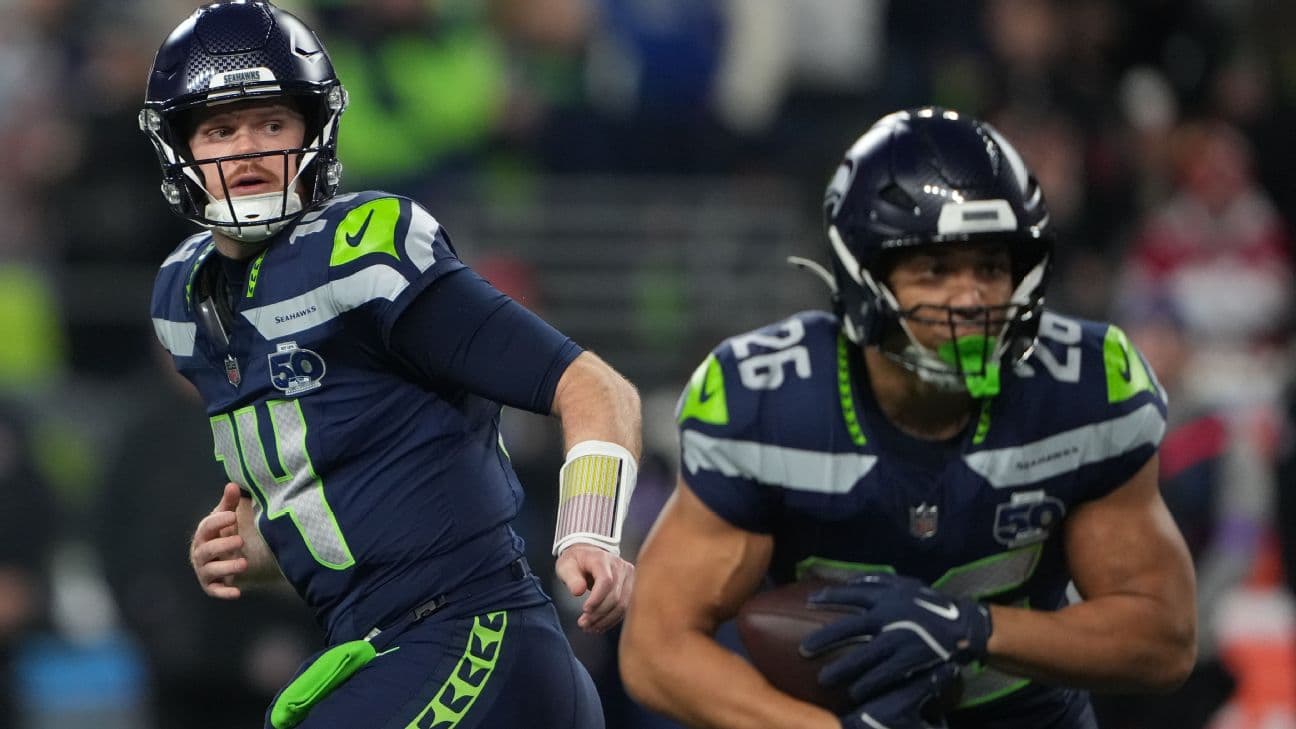
NFL teams began stacking players onto the Physically Unable to Perform and Non-Football Injury lists this week as camps opened, and the designations are already reshaping fantasy draft boards. Among the names placed on those lists: Seattle running back Zach Charbonnet on active PUP while recovering from a torn ACL, Carolina left tackle Ikem Ekwonu on PUP after a torn patella tendon suffered in the playoffs, Kansas City defensive lineman Tershawn Wharton on PUP following neck surgery, Seattle safety Nick Emmanwori on PUP, and wide receiver Chris Bell on active NFI while recovering from a torn ACL suffered at Louisville last December. The Giants placed three players on PUP ahead of camp.
Most of these designations are precautionary. Some are not. Telling the difference is the entire exercise, and it comes down to a distinction that a surprising number of fantasy managers get wrong every August.
Active PUP versus reserve PUP is the whole game
A player on the active PUP list at the start of training camp can be activated at any point during camp or the preseason. He remains on the 90-man roster, he can be cleared the moment his medical staff signs off, and there is no minimum absence. Active PUP in late July is frequently nothing more than a team preserving flexibility while a player finishes a rehab that was always going to finish on time.
Reserve PUP is a completely different animal. If a player is moved to reserve PUP at final roster cuts, he must miss the first four games of the regular season. That is not a guideline, it is a rule, and it converts a fantasy asset from a Week 1 starter into a bench stash a full month before it matters.
The critical timing detail: a player must have been on active PUP from the start of camp to be eligible for reserve PUP. A player who practices even once loses that eligibility, which is why teams are conservative about clearing borderline cases in the first week. The corollary for fantasy managers is powerful. The single most valuable piece of information in August is whether a player on active PUP has taken a practice rep, because that rep removes the four-game scenario entirely.
NFI works on parallel rules for injuries sustained away from the team, which is why a rookie recovering from a college injury shows up on that list rather than PUP.
How to price the names on the board
Charbonnet is the clearest fantasy case, and Verdexed has covered his situation separately. The framework applies broadly: a running back on active PUP with an ACL rehab is a player whose draft cost should reflect the probability of a delayed start, not the probability of a lost season. Those are very different discounts.
Ekwonu matters for a different reason. Offensive linemen do not score fantasy points, but they determine whether an offense functions. Carolina is planning a passing game that moves Tetairoa McMillan around the formation and asks Bryce Young to operate on schedule. Both plans require a left tackle. Treat Ekwonu's activation date as a leading indicator on every Panthers skill player you are considering.
Wharton and Emmanwori are defensive designations, which means their fantasy relevance runs through IDP leagues and team defense projections rather than through any redraft skill position. Neck surgery in particular carries a wider timeline distribution than most injuries, and IDP managers should discount accordingly rather than assume a September return.
Bell on active NFI is the rookie template. A receiver rehabbing a December college ACL tear who is not practicing when camp opens is not a redraft asset in any format, and dynasty managers should treat his rookie season as close to a redshirt in their projections.
The Verdexed model take
The model handles camp designations by adjusting expected games played rather than per-game production, and that distinction drives everything. A player on active PUP in late July with a normal rehab arc loses very little expected value, because the most likely outcome is a full season with a delayed camp. A player still on active PUP at the end of August loses a great deal, because the reserve PUP branch becomes live and that branch costs four games.
Run the arithmetic on a running back projected for 12 fantasy points per game. Missing four games costs roughly 48 points, which in most scoring formats is the gap between an RB2 and an RB4 over a season. That is worth two to three rounds of draft capital. Managers who take the four-game risk at full price are giving away a meaningful portion of their draft.
The model's practical output is a simple rule: discount any active PUP player at a rate proportional to how late in August he remains unactivated, and stop discounting entirely the moment he practices.
What to do in your league
If your draft is in July or early August, apply a real discount to anyone sitting on active PUP and do not talk yourself into the optimistic timeline because a coach sounded encouraging. Coaches are encouraging about everything in July.
If your draft is in late August, you have a genuine information edge and should use it. By then, most of these designations will have resolved in one direction or the other, and the players who have been cleared will frequently still carry a depressed price from the summer. That is the cheapest value available in a redraft league.
In best ball, the calculus flips. Missing four games is far less costly in a format with no weekly lineup decisions, so late-round PUP stashes with high ceilings are legitimately underpriced.
What's next
Track the activation transactions, not the press conferences. Teams announce PUP activations as routine roster moves and they are easy to miss, but each one removes the four-game scenario for that player permanently. The window that matters runs from the first padded practices through the final roster cutdown, and every day a player stays on active PUP past mid-August, his fantasy price should fall a little further.