 NHL2026-07-19
2026-27 Fantasy Hockey Goalie Strategy: Bobrovsky to Toronto Headlines a Thin Market
By Verdexed NHL Desk
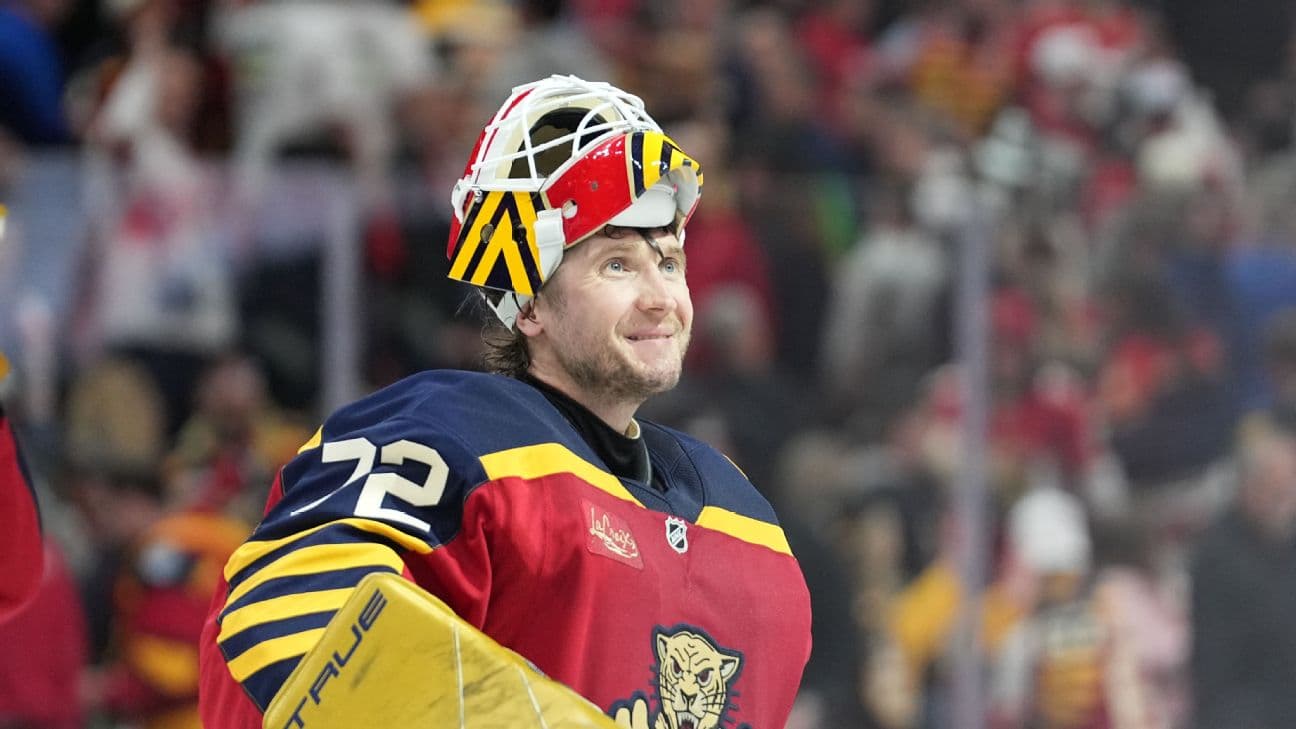
Sergei Bobrovsky's decision to sign with the Toronto Maple Leafs is the headline goaltending move of the offseason, and it lands in a market that everyone in hockey agrees was thin on impact free agents. For fantasy managers, the combination of a shallow class and a few high-profile address changes makes goalie strategy the trickiest part of the 2026-27 draft. Get the position right and you win categories; get it wrong and you are streaming wins all season.
The Bobrovsky move
Bobrovsky joined the Maple Leafs on a reported three-year contract worth roughly $21 million, giving Toronto an experienced, decorated starter for a team built to win now. A two-time Stanley Cup champion changing conferences is the kind of move that reshapes two creases at once: it stabilizes Toronto's goaltending picture and opens questions about the situation he left behind. Fantasy managers need to update their depth charts accordingly, because a veteran of Bobrovsky's caliber walking into a contender changes the win projection for his new team.
The fantasy read on Bobrovsky himself is nuanced. He lands on a strong team, which supports his win total, but he is at a stage of his career where workload management and the possibility of a timeshare are real considerations. That makes him a solid but not elite fantasy option, the kind of goalie you draft as a strong No. 2 or a matchup-based starter rather than a set-and-forget anchor.
The thin-class problem
The broader issue is that the free-agent goalie class offered little in the way of difference-makers, which means the crease did not get meaningfully deeper across the league this summer. In fantasy terms, that scarcity increases the value of the established elite starters and makes the middle of the position a minefield of committees and uncertain workloads. When the market does not replenish the position, the premium on proven volume goes up.
This is the year to be deliberate about how you allocate draft capital to goalies. A thin market punishes managers who wait too long and end up rostering two ambiguous situations, and it rewards those who either secure a true workhorse early or build a disciplined streaming plan around matchups and start-projection tools.
The two viable approaches
The first approach is to anchor with a workhorse. A small group of goalies combine elite talent with locked-in volume and a good team in front of them: the perennial Vezina contenders who play 55-plus games and win the majority of them. Names in that conversation include Winnipeg's Connor Hellebuyck, the Rangers' Igor Shesterkin, and Tampa Bay's Andrei Vasilevskiy, the kind of high-floor starters who justify an early pick because they deliver wins, saves, and ratios without a timeshare cutting into their totals. In a thin year, paying up for that certainty is defensible.
The second approach is to punt the position and stream. This means passing on the top tier, loading up on skaters, and playing the matchups with a rotating cast of starters based on confirmed-starter tools and opponent quality. It is more labor-intensive and more volatile, but in a season where so many middle-tier crease situations are murky, a disciplined streamer can approximate mid-tier goalie production without spending premium picks. The key is treating daily starter confirmations as non-negotiable homework.
The Verdexed model take
Verdexed's model treats goaltending as the highest-variance position on a fantasy roster, and in a thin market it widens the gap between the elite workhorses and everyone else. The framework's read is that the security of a proven, high-volume starter is worth more this year than in a typical season, because the replacement level behind the top tier is lower than usual. That argues for either committing to an anchor or committing fully to a streaming plan, and avoiding the trap of two mediocre committee goalies who neither win enough nor protect your ratios.
On Bobrovsky specifically, the model values the team context and win support but discounts for age and potential workload sharing, landing him as a strong secondary option rather than a top-tier anchor. That is a useful frame: he is a good goalie to own, but not the one to build your crease around.
Where the late-round value hides
If you punt the position, the late-round targets that matter most are goalies with a credible path to the larger share of a workload. Ambiguous tandems are the enemy, but a young netminder trending toward a starter's role, or a veteran on a good team who could seize the crease with a strong camp, offers the upside a streaming plan needs. The goal is to draft optionality: goalies who could become 50-start starters rather than confirmed 30-start timeshare pieces.
Handcuffing is the other late-round tool. In genuinely split creases, rostering both goalies can lock up a team's win share and let you play the hot hand, which is a reasonable use of bench space in deeper leagues. The trap to avoid is spending mid-round capital on the murkiest committees, where neither goalie earns enough volume to help. In a thin market, the disciplined move is to pay up for certainty or wait for upside, and to treat the muddled middle as a place to stream from rather than draft into.
What to do in your draft
Decide your goalie approach before you draft, not on the fly. If you want an anchor, target one of the true workhorses early and pair him with a stable backup, then ignore the position after that. If you want to punt, wait, draft skaters, and build a streaming shortlist keyed to confirmed starters and matchups. Either plan beats the default of grabbing two uncertain committee arms in the middle rounds. In a thin market, discipline at the position is the edge, and the Bobrovsky move is your reminder that the crease landscape shifted this summer even if the class as a whole did not get deeper.