Tucker Kraft Comes Off the PUP List and Week 1 Is Back in Play for the Packers
By Verdexed Fantasy Desk
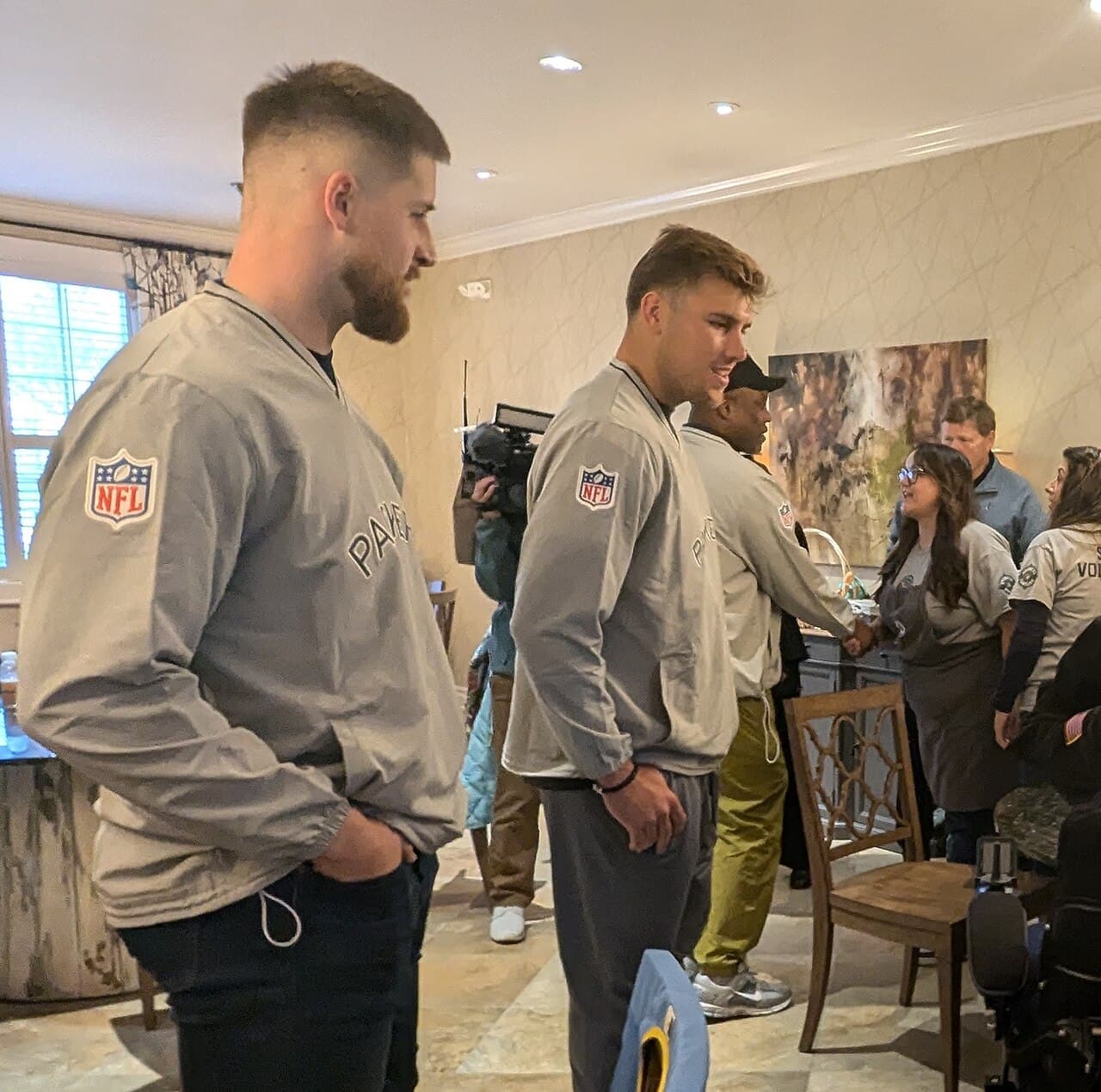
The Green Bay Packers took tight end Tucker Kraft off the active physically unable to perform list on Friday, and head coach Matt LaFleur said Kraft will practice in some capacity as camp continues. It is the clearest signal yet that Kraft's return from the torn ACL he suffered in Week 9 of last season is tracking toward Week 1 rather than toward a September stashed on injured reserve.
Green Bay's general manager, Brian Gutekunst, has said Week 1 is very much a possibility for Kraft, with the caveat that rejoining practice on schedule was the gate he needed to clear. He has now cleared it. For fantasy managers who have spent draft season treating Kraft as a lottery ticket, that changes the math considerably.
The injury and the timeline
Kraft tore his ACL in Week 9 of the 2025 season. That put surgery somewhere in November and a return-to-practice window that lands right about now, which is on the aggressive end of a normal ACL recovery but well inside the range modern rehab produces. Opening camp on PUP rather than being activated on the first day was never a red flag; it is a roster-management tool that lets a team hold a spot while a player finishes ramping. Coming off it in the first week of camp is the meaningful part.
The important distinction: coming off the active PUP list is not the same as being cleared for full team periods. LaFleur's phrasing, that Kraft will practice in some capacity, is the language of a graduated ramp. Expect individual drills before seven-on-seven, seven-on-seven before full-speed team work, and full-speed team work before anyone talks about the preseason. Nothing about that sequence is concerning. All of it takes time, and the calendar to Week 1 is about six weeks.
What Kraft was before the injury
Kraft was producing at a rate that made him a top-five fantasy tight end on a per-game basis before he went down. Across eight games last season he caught 32 passes for 489 yards and six touchdowns on 44 targets. The touchdown rate is unsustainable in isolation, but the underlying usage was not a fluke: he was drawing consistent targets in an offense that has generally been reluctant to concentrate volume on any single pass catcher.
That last point is the reason Kraft is interesting rather than merely healthy. Green Bay's passing offense has spread targets widely for several years, which caps the ceiling of any individual receiver. A tight end who breaks through that pattern is telling you something about how the coaching staff values him. Kraft did that, and he did it as a blocker-first tight end who earned pass-game trust rather than a slot receiver in a tight end's number.
Fantasy fallout
Tight end is a position where floor is scarce and cost is the whole game. The top of the board is expensive, the middle is a coin flip, and the bottom is a weekly streaming exercise most managers lose. Kraft's appeal is that he offers top-eight per-game upside at a cost that reflects the injury rather than the player.
Here is the practical read. If Kraft is taking full team reps by the second preseason game, he should be drafted as a back-end TE1 with clear upside, and his price will have already risen by then. If he is still limited into late August, he becomes a TE2 you draft as the second of two tight ends, pairing him with a healthy floor option you can start in September while Kraft ramps. Both outcomes are draftable. The unacceptable outcome, drafting him as your only tight end and discovering in Week 1 that he is on a snap count, is the one to plan around.
Jayden Reed and the rest of the Green Bay pass catchers are the secondary consideration. A healthy Kraft absorbs red-zone looks and intermediate targets that would otherwise scatter, which caps the ceiling of the receiver room slightly while raising the offense's overall efficiency. That is a fair trade for the Packers and a small negative for anyone drafting Green Bay receivers at their current prices.
The Verdexed model take
Verdexed's tight end projections weight route participation more heavily than target totals, because route participation is the stat that survives changes in game script. Kraft's route rate before the injury put him in the tier occupied by tight ends who finish as weekly starters, not the tier of situational red-zone specialists.
Running his profile forward under a Week 1 availability assumption, the model places him inside the top ten at the position on a per-game basis, with a wide confidence band that reflects both the injury and Green Bay's target dispersion. The gap between that projection and his current draft cost is among the larger positional edges the model is flagging in the tight end range right now. That is what a discount for injury risk looks like when the injury risk is receding.
The model's caution is about Week 1 specifically rather than the season. Players returning from ACL surgery at roughly nine months post-op frequently open on a snap restriction even when they are technically cleared, and snap restrictions destroy tight end scoring more than any other position because tight end production is so touchdown-dependent.
What to do in your league
Draft him, but draft him with a plan. In a 12-team league, Kraft in the eighth or ninth round as your TE2 behind a stable veteran is the highest-expected-value construction available at the position. If your league mates have already pushed him into the sixth, let someone else pay for the recovery narrative.
In best ball, he is a straightforward buy. Best ball formats reward exactly the shape of Kraft's outcome distribution: a slow September followed by weeks where he posts a positional-winning score. You do not need him every week; you need his good weeks in your lineup, and best ball does that automatically.
In dynasty, he is a hold and a modest buy. He is 25, under contract, and the injury has already cost him one season of production without costing him athleticism, as far as anyone can tell from a practice field in August.
What's next
Watch for the first report of Kraft in full team periods, and watch whether he plays a preseason snap. Green Bay has no reason to expose him to exhibition contact, so an absence from preseason games is not a warning sign. The signal that matters is padded practice participation in the middle two weeks of August. If he is a full participant by then, the Week 1 conversation is over and his draft price is going up.