The NFL's 2026 Rule Changes Quietly Rewrote the Late-Game Math for Bettors
By Verdexed Analytics
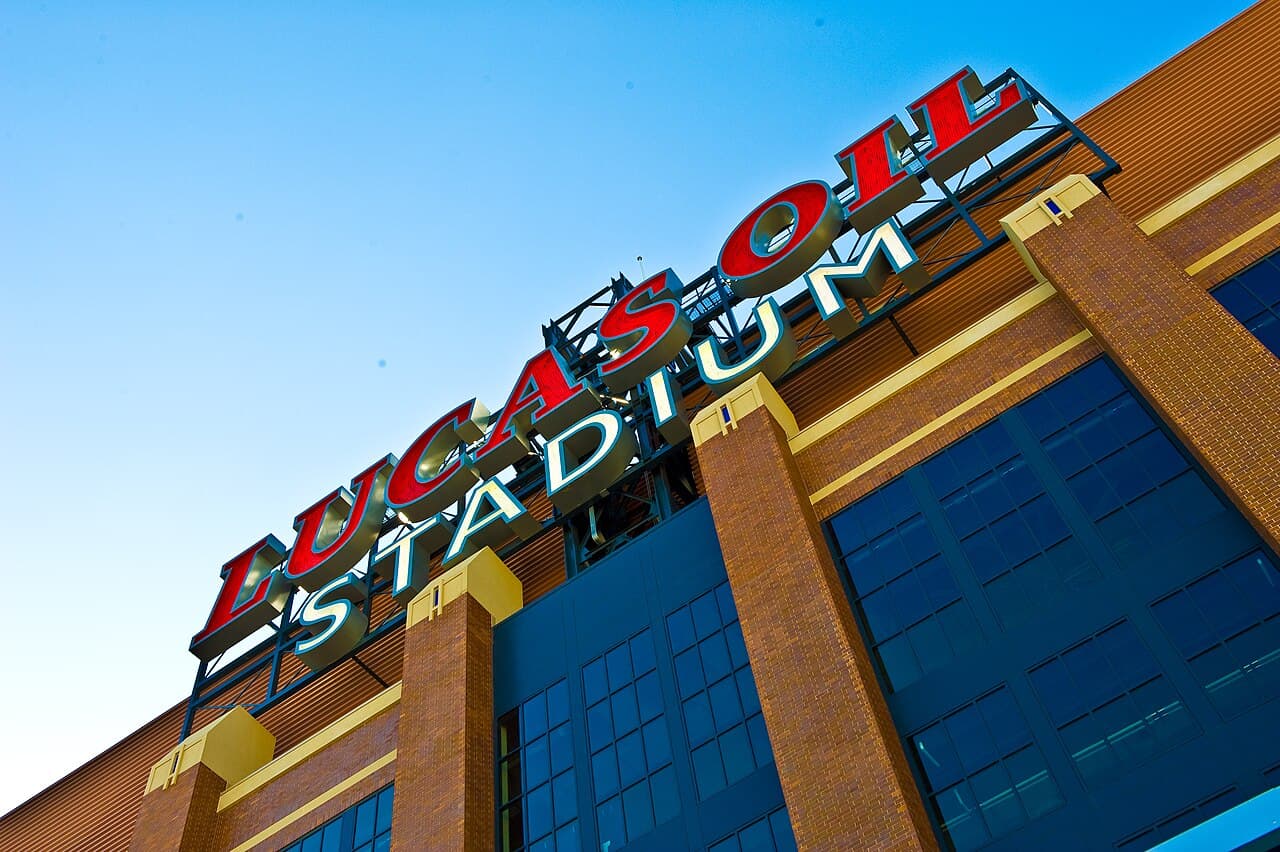
The NFL enters the 2026 season with two rule changes that almost nobody drafted around and that both land directly on the way games end. Owners approved at the annual meeting in March that a team may declare an onside kick at any point in a game regardless of the score, removing the requirement that the kicking team be trailing. Separately, in the August rulebook finalization, the league added language allowing a head coach to designate a member of the sideline staff to throw the red challenge flag.
Neither change will appear on a fantasy waiver wire. Both change the distribution of late-game outcomes, and late-game outcomes are where live totals, second-half spreads, and fantasy garbage-time production actually live.
What the onside kick rule now says
The evolution here has been gradual and is easy to lose track of. Under the 2024 rules, onside kicks were permitted only by a team that was losing, and only in the fourth quarter. The league then loosened that to allow a declared onside kick at any point in the game, but still only by the trailing team. The 2026 change removes the score condition entirely. Winning, losing, or tied, at any point in the game, a team can declare it.
The realistic usage rate is low, and it is worth being honest about that. Coaches will still overwhelmingly attempt onside kicks in the situation they always have: trailing late, out of time, with no alternative. Removing a restriction does not by itself create a new behavior.
But the restriction was doing work at the margins, and those margins are where betting value lives. A tied game late in the fourth quarter now contains a possibility it did not contain a year ago. So does a one-score lead with three minutes left against an offense that has been moving the ball at will. The play is available to any coach willing to take the variance, and the coaches most likely to take it are the ones who have already demonstrated a taste for fourth-down aggression.
The challenge designee, and why it is not trivia
The new language, under Rule 15, Section 1, Article 1(a), permits the head coach or the head coach's pregame challenge designee to initiate a challenge by throwing the red flag before the next legal snap or kick. Teams must inform officials before the game who that designee is. The change was made during the summer finalization of the rulebook rather than through an ownership vote, which is a normal mechanism for adjustments that do not require one.
The practical effect is on challenge speed and accuracy. The bottleneck in the current system has always been the same: a head coach is looking at the field, calling the next play, and managing the sideline, while the person who actually knows whether the replay shows a reversal is upstairs in the booth watching a monitor. The information has to travel down before the flag can be thrown, and the window before the next snap is short.
Letting a designated staffer throw the flag shortens that chain. Expect more challenges thrown, expect a higher success rate on the ones that are thrown, and expect fewer of the situations where a team has a clear reversal available and cannot get the flag out in time.
The fantasy fallout
The onside kick change is the one with a direct fantasy consequence, and it is concentrated in one place: kickers and defenses. More onside attempts, even a modest increase, means more short fields and more possessions in the fourth quarter of games that would previously have been over.
Short fields drive scoring. Additional fourth-quarter possessions in games with a large point differential drive exactly the kind of production that decides fantasy weeks in leagues where garbage time is worth as much as any other time. A trailing team recovering an onside kick with four minutes left produces a drive that would not have existed, which produces targets, carries, and often a touchdown.
For DFS specifically, this is a small upward adjustment to the ceiling of receivers on teams projected to trail, and a small upward adjustment to the value of stacking both sides of a game that projects to be high-scoring and non-competitive. Neither is large enough to build a lineup around. Both are the sort of edge that compounds across a season.
The challenge rule cuts the other way for scoring. More successful challenges means more overturned touchdowns, more spots corrected, and more turnovers confirmed or reversed. The net effect on total scoring is close to neutral, but the variance on individual player outcomes goes up, because a challenge is precisely the mechanism by which a fantasy touchdown is taken away or handed back.
The Verdexed model take
Our game simulation treats late-game possession count as a distribution rather than a fixed number, and the onside kick change widens that distribution's right tail slightly for the trailing team. The effect on a full-game total is a small fraction of a point, well below the granularity at which anyone should be betting a full-game number.
Where it registers is in live markets. Our in-game win probability model now assigns non-zero recovery equity to the trailing team in scenarios where it previously assigned none, most notably in tie games and one-score situations in the middle of the fourth quarter. Live books that have not updated their possession logic will be marginally too confident that a game is over.
The honest framing: this is not an edge that shows up on a Sunday morning slate. It is an edge that shows up on maybe a handful of live-betting spots across a season, and it requires you to be watching the game when the spot appears.
Betting angle
The concrete application is in second-half and live totals rather than pregame numbers. When a game reaches the fourth quarter with a two-score gap and the trailing offense has been productive, the live under is now a slightly worse bet than the same spot would have been last season, because the possession count has a fatter tail.
The other place to look is coach-specific. Fourth-down aggression is stable and measurable at the coach level, and it correlates with the willingness to take a non-obvious onside kick. The coaches at the top of the aggression rankings are the ones whose games are most likely to produce the scenario this rule enables. Build that into how you price their late-game live markets before the market builds it in for you.
What's next
Watch the first month of the regular season for a single data point that matters more than any preseason speculation: the first non-trailing onside kick. Whether it happens in September or never happens at all tells you how much of this rule is real and how much is theoretical. The challenge designee change will be visible faster, in the form of challenge counts and success rates that should both rise from where they have sat for the last several seasons.