The Mavericks Open Media Day First and 28 Teams Follow on Monday
By Verdexed NBA Desk
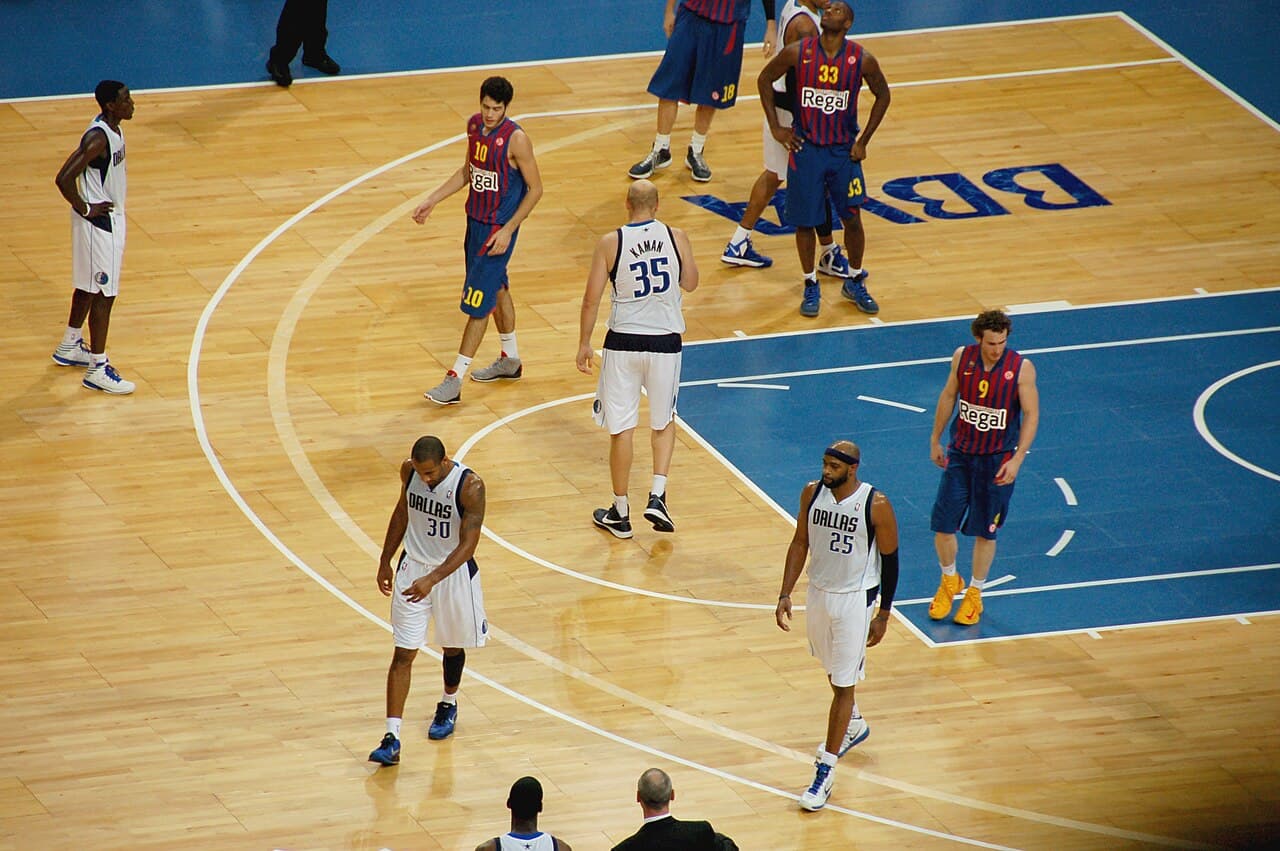
The NBA season formally began on Friday, at least on the calendar. The Dallas Mavericks held media day at 10 a.m. with Masai Ujiri, head coach Dusty May and the roster in attendance, jumping ahead of the rest of the league because of an international assignment that compresses their preseason.
Dallas plays Houston at The Venetian Arena in Macao on October 9 and October 11, which is why the Mavericks needed an early start. Houston already opened its camp ahead of schedule for the same reason. The other 28 teams hold media days Monday, with training camps opening Tuesday.
Why the early start matters for Dallas
An international preseason trip is not a neutral event. It costs practice time, adds travel fatigue before a single game counts, and forces a coaching staff to compress installation into fewer sessions. For a team with continuity, that is manageable. For a team integrating significant new pieces, it is a genuine obstacle.
Dallas falls into the second category. The Mavericks enter this season with a roster that has not played together and a front office configuration that is itself new. Ujiri running basketball operations and May on the sideline is a combination with no track record in Dallas, and the group is being asked to sort itself out on a schedule nobody else is running.
The relevant fantasy consequence is that Dallas' rotation will take longer than most to stabilize. Early-season minutes distributions from teams with international trips tend to be noisier, which means the Mavericks' first two weeks of box scores are poor evidence for anything.
What to watch across the league next week
The 28 remaining media days on Monday are the single densest information event of the NBA offseason. This is when teams confirm starting lineups, disclose injury statuses that have been quiet all summer, and set expectations for rotation sizes. For fantasy drafters, it is the last meaningful data release before most leagues draft.
Three categories of information move draft boards more than anything else that day. First, health updates on players returning from significant injuries, where a coach's phrasing about minutes restrictions is worth more than any offseason report. Second, explicit starting-lineup declarations, which determine minutes floors. Third, comments about rotation depth, since a coach who says he plans to play ten reliably is describing a situation where nobody gets 36 minutes.
Houston provides a template for what these updates look like. Fred VanVleet, who missed last season with a torn right ACL, has been cleared for five-on-five work and has participated in scrimmages over recent weeks. That is a materially different status than "recovering," and it moves his fantasy value considerably.
What to do in your league
If your fantasy basketball draft is scheduled before Monday, move it. Drafting ahead of 28 media days means drafting without the year's most concentrated release of rotation and health information, and the cost of that is larger than the convenience of an early draft.
If your draft is after Monday, spend the intervening days building a board that is sensitive to minutes rather than talent. Preseason ranking sets are built on per-game projections that assume a minutes load, and media day is when those assumptions get confirmed or blown up.
For Dallas specifically, treat every Mavericks player as carrying additional uncertainty. The combination of a new front office, a new coaching staff and a compressed preseason is the least predictable situation in the league, and uncertainty should be priced as a discount in redraft formats and potentially as an opportunity in dynasty.
The Verdexed model take
The model's preseason projections weight prior-season minutes heavily, and the single largest source of projection error every year is teams whose rotations change more than expected. Media day is the first real opportunity to correct for that, because coaches are more candid in September than they will be at any point once games start.
The specific correction the model looks for is rotation size. Teams that intend to play a nine-man rotation produce fantasy starters. Teams that intend to play eleven or twelve produce a roster full of players who are individually unstartable. That distinction moves projections by more than any single player's talent evaluation does, and it is knowable from a coach's Monday remarks.
Dallas is the team the model flags with the widest projection range. Not because the roster is bad, but because nothing about how it will be deployed is established, and a compressed preseason means it may not be established until November.
What's next
Monday brings 28 media days and the associated flood of injury and rotation news. Camps open Tuesday. The Mavericks and Rockets meet in Macao on October 9 and 11 in the league's first games that anyone will watch closely.
For fantasy managers, the practical instruction is short: do not finalize a board before Monday evening, and give the Dallas and Houston rosters extra scrutiny, since both are operating on a schedule the rest of the league is not.
Betting angle
NBA season win totals and championship odds have been sitting largely untouched since summer league, and media day is the first event capable of moving them on real information rather than speculation.
The specific catalyst is health disclosure. A team whose star is further along in a rehab than the market assumed sees its win total climb, and a team that reveals a minutes restriction sees it fall. Those disclosures cluster on Monday, which means the window between the first media day comments and the market's adjustment is measured in hours rather than days.
Dallas and Houston are the two teams already through this process, and both now carry less uncertainty than the 28 clubs that have not spoken. That is worth something in a market where every other price still reflects offseason assumptions.
The broader principle for October: preseason results are close to meaningless for betting purposes, because rotations are experimental and effort is managed, but preseason information is extremely valuable. Separate the two. A team losing four straight exhibition games tells you nothing. A coach saying he plans to stagger his two stars so one is always on the floor tells you a great deal.