 NFL2026-08-31
Tennessee Waived Will Levis and Hendon Hooker and the QB2 Market Just Flooded
By Verdexed NFL Desk
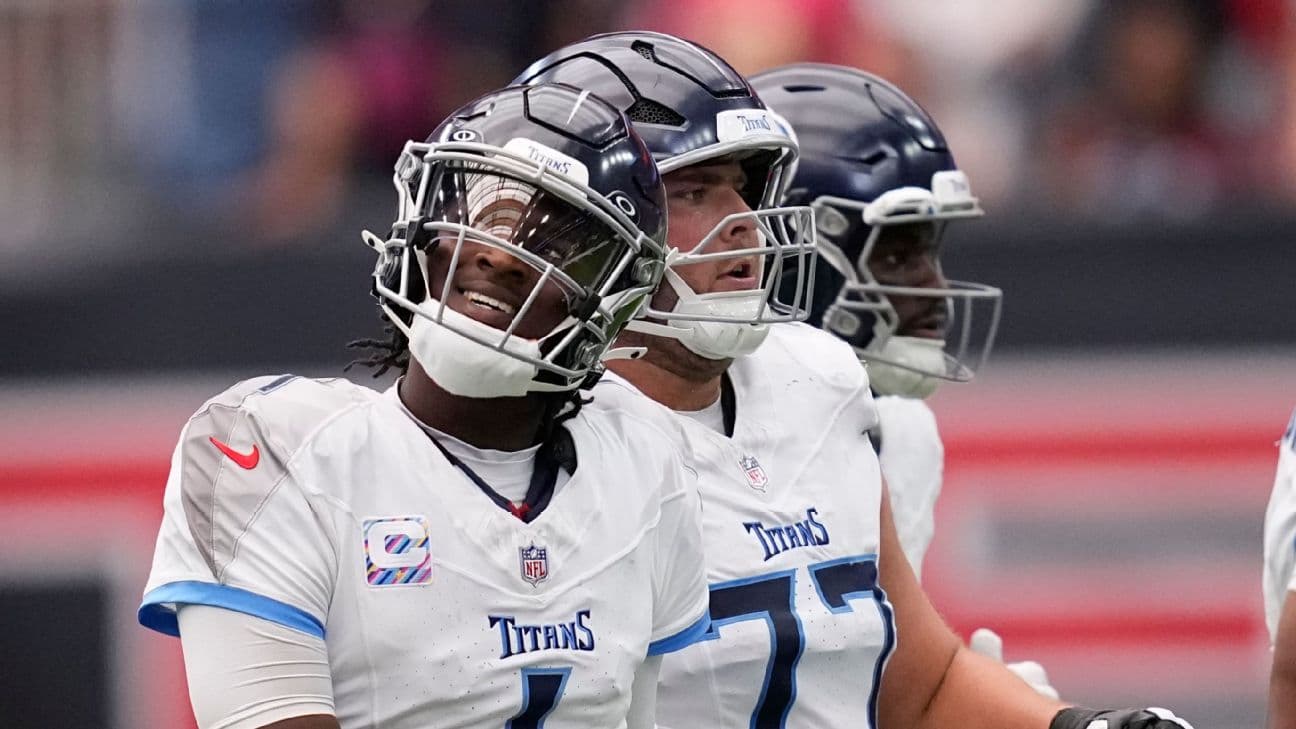
Tennessee waived quarterbacks Will Levis and Hendon Hooker on Sunday as it cut to 53 players, clearing both of its developmental passers in one afternoon and leaving Cam Ward and veteran Mitchell Trubisky on the depth chart. Levis, the No. 33 overall pick in the 2023 draft, had returned to the Titans this year as the third quarterback behind Ward and Trubisky.
Reporting around the move indicates Tennessee tried to trade Levis before waiving him and found no team willing to give up a pick. Multiple outlets have characterized the split as something closer to mutual than a pure roster decision, with Levis wanting a fresh start.
The mechanics that matter this morning
Both players are subject to waivers, and claims were due at 1 p.m. ET Monday. Any club can claim a waived player with fewer than four accrued seasons, taking on the remaining contract, in an order that matches the 2026 draft order. Las Vegas holds the top priority, followed by the Jets, Cardinals, Titans and Giants.
If nobody claims them, they become free agents and can sign anywhere, including practice squads. That distinction is the whole story for a quarterback: a claim means a 53-man roster spot and a real job; clearing waivers means a bidding process among teams that would rather develop a passer on the practice squad than commit a roster spot to him.
Why the backup quarterback market is unusual this year
Cutdown weekend put roughly 1,100 players onto waivers or into free agency, and the quarterback position is always the strangest part of that pool. Teams carry two or three passers and value the third one somewhere between a fringe roster spot and an emergency plan. Yet the moment a starter goes down in September, a team that thought it was fine suddenly is not.
Green Bay traded Kyle McCord to Miami for a 2028 sixth-round pick during the same weekend, a small deal that says something about how clubs are valuing this class of young passers: cheap, available, and worth a late pick rather than a real one.
The result is a market with unusual supply. Teams that had been quietly worried about their QB2 spot spent the weekend shopping in a buyer's market, and several of them will do their shopping this afternoon.
The fantasy angle
In standard one-quarterback redraft leagues, none of this changes a lineup. Levis and Hooker were not rostered anywhere and will not be.
In superflex and two-quarterback leagues, the calculus is different and immediate. Superflex managers spend the last rounds of a draft on passers who might start a game, and the value of that lottery ticket depends entirely on landing spot. A quarterback claimed onto a 53-man roster as a QB2 is a real asset in those formats. A quarterback who clears to a practice squad is not.
The name to watch in dynasty superflex is Levis. He is 26, he has NFL starting experience, and he has arm talent that has never stopped being interesting to evaluators even as the results were inconsistent. Dynasty rosters that carry four passers should be checking whether he is available in their league and where he lands. A claim by a team with an aging or unsettled starter would move him from a roster-clogger to a stashable asset within a day.
Hooker is the longer shot. He has thrown very few NFL passes and turns 28 in January, which is old for a developmental profile.
The Verdexed model take
Our quarterback projection system prices Levis's rest-of-season fantasy value almost entirely off the probability that he takes meaningful snaps, and that probability is currently near the bottom of the range for any rostered passer. The model's expected value on him swings by an order of magnitude between two outcomes: claimed by a team with an injury-prone or unproven starter, or unclaimed and signed to a practice squad.
The broader model read on Tennessee is more interesting. Moving to a two-quarterback room with Ward and Trubisky signals full commitment to Ward as the starter, with a veteran bridge who has started 50-plus NFL games behind him. That is a stable structure, and stability is worth something in projections. Ward's weekly fantasy floor benefits from a coaching staff that is not spending practice reps managing a competition.
Betting angle
The market to watch is not on Levis. It is on Tennessee's team totals and Ward's season passing props. Roster construction is information, and a team that pares to two quarterbacks in late August is a team that has stopped hedging on its young starter.
There is also a small, slow-moving market worth tracking: quarterback starts props and team-specific "will start a game" markets where they exist. Those numbers are set in the summer under the assumption that every team's depth chart holds. Cutdown weekend is when those assumptions break, and today's claims are the first real information of the season.
What's next
Waiver results will be public shortly after 1 p.m. ET Monday, and every unclaimed player becomes a free agent immediately. Expect the practice squad signing period to run through the next 48 hours, with teams carrying up to 17 practice squad players including one international exemption.
For superflex managers, the actionable step is simple: wait for the claim results, then act the same day. Quarterback landing spots are the rare piece of fantasy news where the information advantage lasts hours, not weeks.