The Sharks' No. 2 Pick Is the 2026 Draft's Wild Card: Mike Grier Is Open to Listening
By Verdexed NHL Desk
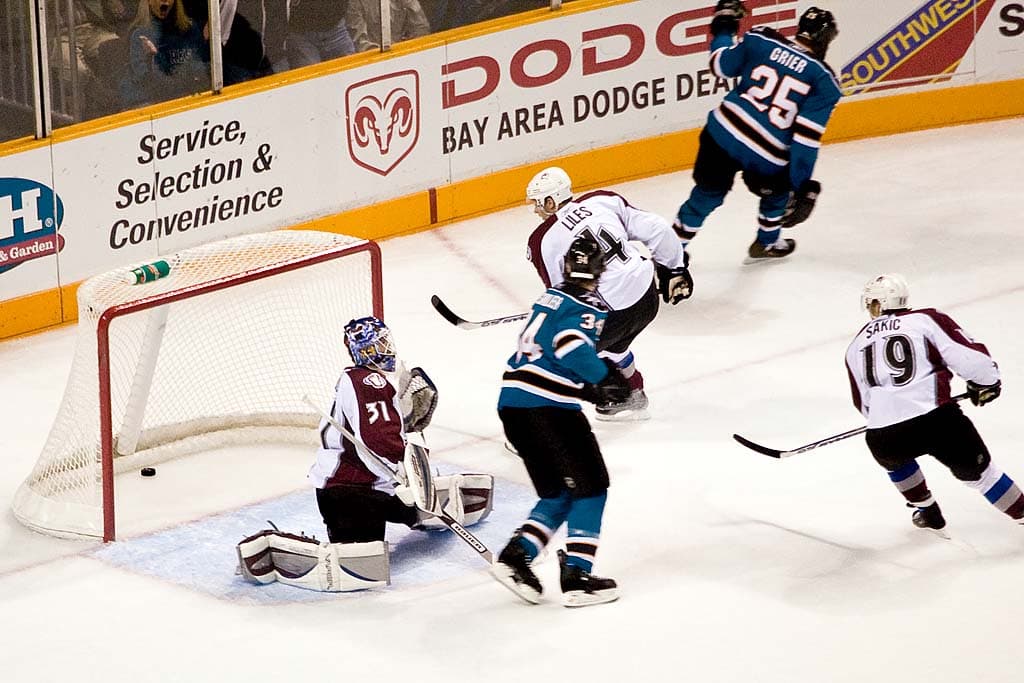
The most intriguing card at the 2026 NHL Draft is not the No. 1 pick. It is the No. 2 pick, and whether the San Jose Sharks decide to keep it or trade it for the defensive help their roster badly needs. General manager Mike Grier has said he is open to listening to what is out there, putting the second overall selection squarely in play and turning San Jose's draft night into the offseason's biggest wild card for dynasty managers and bettors alike.
The Sharks won the second slot in the lottery, sitting behind a Toronto club that holds the No. 1 pick and is widely expected to take the consensus top prospect, Gavin McKenna. That leaves San Jose with an enviable but complicated asset: a top-two pick on a rebuilding roster that is already deep in young forward talent but thin on the blue line. The mismatch between what the Sharks have and what they need is exactly why the pick could move.
Grier's stated openness
Grier has not been coy. He has publicly said he is always open to listening, signaling a willingness to entertain offers for the second overall pick rather than treating it as untouchable. That kind of public openness from a general manager is meaningful, because it invites rival teams to call and it reflects a front office weighing its roster needs against the value of adding another high-end prospect to an already prospect-rich system.
The rationale is clear. San Jose's prospect cupboard is stocked with forwards, and the organizational priority is defense. Trading a premium pick for an established or ascending defenseman would address the team's most pressing weakness while still leaving the Sharks loaded up front. Whether the right offer materializes is the open question, but the willingness is there.
The keep-it scenario
If San Jose holds the pick, the consensus target at No. 2 is a high-end winger, with at least one prominent mock slotting a skilled forward there. That said, given the team's defensive need, some scouting voices have floated the possibility that the Sharks could use the pick on a defenseman if they value one highly enough at that slot. The uncertainty over who they would actually select, a forward to add to the pile or a defenseman to fill the need, is part of what makes the situation so fluid.
The Sharks reportedly brought multiple prospects in ahead of the draft, the kind of pre-draft theater that doubles as a smokescreen. That ambiguity makes draft-night markets harder to price and the whole San Jose situation genuinely unpredictable.
Fantasy and dynasty fallout
For dynasty and keeper-league managers, the Sharks' decision changes which young player lands where, and that has real downstream effects. If San Jose keeps the pick and takes a forward, it adds another name to a crowded prospect group, which can slow any individual prospect's path to NHL minutes. If the Sharks trade the pick, the prospect they would have drafted ends up elsewhere, potentially in a better situation for early opportunity, while San Jose adds a defenseman who could have nearer-term fantasy relevance.
The actionable read is to treat San Jose's pick as a moving piece in your dynasty rankings. Do not lock in a valuation for the No. 2 prospect's situation until the Sharks declare their intentions, because the difference between a crowded San Jose forward group and a cleaner opportunity elsewhere is significant for a young player's timeline.
The betting angle
For bettors, a market on whether the Sharks trade the No. 2 pick is a clean play, and Grier's stated openness tilts it toward live rather than dismissible. The pre-draft smokescreen, including the parade of prospects through San Jose, makes draft-night prop pricing soft, which is where value can hide. Any market on the specific player San Jose selects should account for the genuine uncertainty between a forward and a defenseman at that slot.
What a trade-down would actually look like
If San Jose does move the pick, the most likely structure is a trade-down or a package centered on defense rather than a pure swap. A rebuilding team rich in forward prospects does not need to bottom out the value of a No. 2 selection; it can trade back a few spots to a team coveting a specific prospect, collect additional assets, and still draft a quality player while addressing its blue line through the return. Alternatively, the Sharks could attach the pick to a deal for an established or ascending defenseman, accelerating their timeline at the position they most need to fix.
Either path has different downstream effects for dynasty managers. A trade-down keeps San Jose in the prospect pool but changes which player they land and frees up assets, while a pick-for-player deal injects a more NHL-ready defenseman into the organization. The uncertainty over which route Grier might take, if any, is exactly why the Sharks' slot is the hardest to model in the top five and the most interesting to watch on draft night.
The Verdexed model take
Verdexed's model treats the Sharks' pick as a high-variance node in the draft, with a non-trivial probability of a trade given the roster-need mismatch and the general manager's public openness. The model values the underlying prospects highly but flags San Jose's specific selection as the least predictable in the top five, which is precisely why it represents both betting value and dynasty uncertainty. Net read: take Grier's openness seriously, expect genuine fluidity at No. 2, and treat any pre-draft consensus on the Sharks' selection as soft.
What's next
The draft, held in late June, will resolve it. Watch whether Grier converts his stated openness into an actual trade for blue-line help or keeps the pick and adds to his forward depth. For dynasty managers, hold off on finalizing the No. 2 prospect's outlook until the destination is known. For bettors, the trade-or-keep market and the player-selection market both offer angles given the uncertainty. The No. 1 pick may be the headline, but the No. 2 pick is where the real draft-night drama lives.