Ricky Pearsall's Season-Ending Knee Surgery Leaves the 49ers Receiver Room Thin Again
By Verdexed NFL Desk
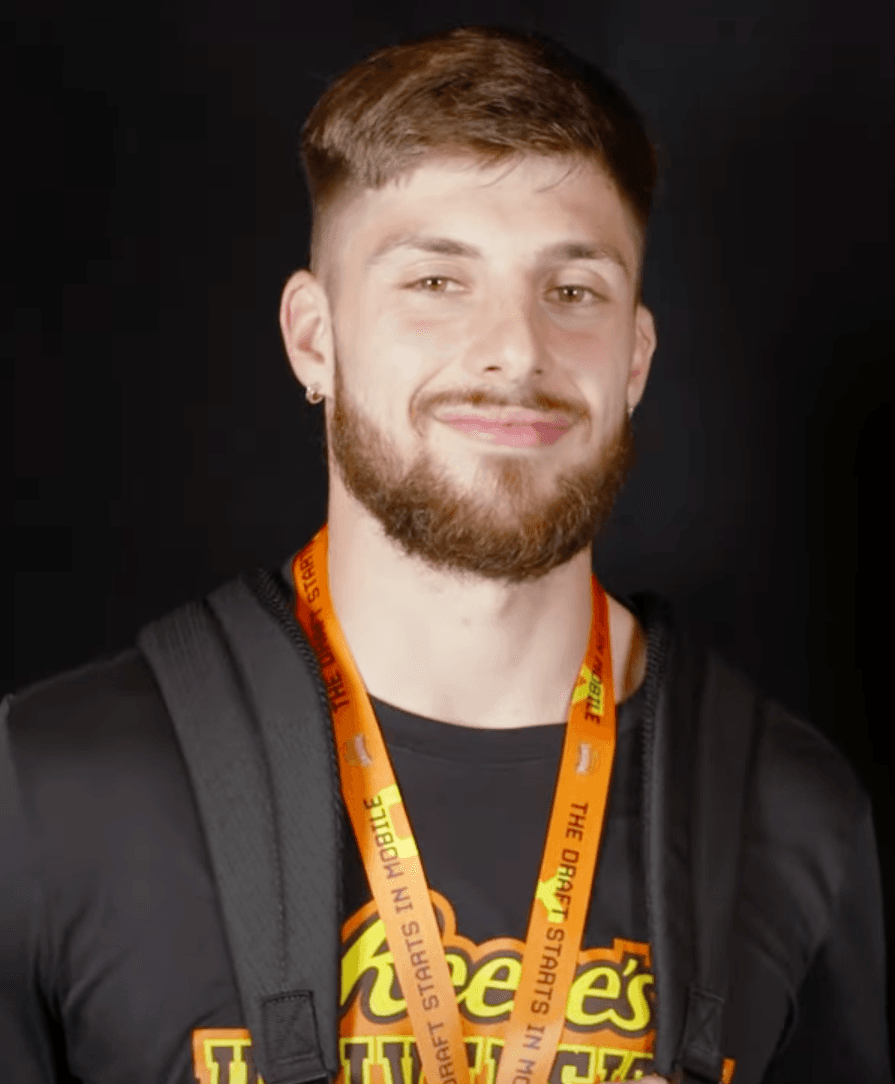
San Francisco general manager John Lynch confirmed that wide receiver Ricky Pearsall will undergo knee surgery and miss the entire 2026 season, closing out a saga that started in Week 4 of 2025 and never fully resolved. The procedure addresses a PCL injury Pearsall tried to play through last season, one that cost him all or part of 10 games. The recovery timeline reported is six to 12 months, and the team's stated expectation is a full recovery in time for 2027.
The decision path is the part fantasy managers should sit with. San Francisco and its medical staff opted against surgery in the offseason, betting that rest and rehabilitation would be enough. That plan failed during training camp when swelling returned and the medical staff determined the knee had declared itself. Surgery became the only option left.
Why the delay matters
There is a version of this where the 49ers made a defensible call. Offseason surgery on a PCL that might heal conservatively carries its own costs, and plenty of players have avoided the knife successfully.
The practical consequence, though, is that San Francisco spent the entire offseason building a receiver room on the assumption that Pearsall would be part of it. Roster construction decisions in March and April were made with a player on the depth chart who is now unavailable, and the free agent market for receivers in August is a different market than the one in March.
This is also the second consecutive season Pearsall's availability has been the central question of his year. That is now a durability profile rather than bad luck, and it will follow him into 2027 draft rooms.
The receiver room now
San Francisco brought Deebo Samuel back this offseason, which looked like depth insurance in the spring and now looks like the load-bearing decision of the 49ers' pass-catching group. The team also has a rookie in De'Zhaun Stribling who has missed practice time with what the club has described as hamstring tightness, a common August designation that is worth monitoring but not panicking over.
Add George Kittle's ongoing Achilles recovery and Brandon Aiyuk's history, and the picture is an offense that has spent two straight years unable to field its intended pass-catching group at the same time. Kyle Shanahan's system is unusually good at manufacturing production from whoever is available, which is why 49ers pass catchers have historically outperformed their situations. It is not a system that manufactures production from nobody.
Fantasy fallout
The direct beneficiary is Samuel. His target projection rises, and more importantly the composition of those targets improves. Pearsall had been carving out the field-stretching outside role that pulls safeties, and without him defenses can commit more attention to the middle of the field. That is a mixed effect for Samuel's efficiency but an unambiguous positive for his volume.
The second beneficiary is the running back room. Shanahan offenses respond to receiver attrition by leaning harder on personnel groupings that feature backs in the passing game. Expect elevated receiving usage from the backfield, particularly on early downs where the play-action menu narrows without a credible deep threat.
Kittle's projection also moves up, with the obvious caveat that his own health is the limiting factor. If Kittle is on the field, he is the primary target in this offense by a comfortable margin now.
The player to fade is any late-round 49ers receiver being drafted on the theory that opportunity will find him. That theory only pays if the player can run the full route tree in a demanding system, and rookies rarely can in September.
The Verdexed model take
The model's approach to receiver injury news is to redistribute vacated target share rather than to simply mark the injured player to zero and leave everyone else unchanged. Pearsall's projected share does not evaporate; it moves, and where it moves determines who gains.
Running that redistribution, the largest share moves to Samuel, with meaningful secondary movement to the tight end position and the backfield. The model does not move any current 49ers depth receiver into startable territory, which is the useful negative finding here. There is no waiver-wire winner from this injury.
At the team level, the model shaves a small amount off San Francisco's projected offensive efficiency and, correspondingly, off the 49ers' projected win total. The reduction is smaller than it would be for most teams because the model applies a scheme adjustment for Shanahan offenses, which have historically been more resilient to skill-position attrition than the league baseline.
Betting angle
San Francisco's win total was already priced with injury risk baked in, given the roster's recent history. The Pearsall news moves the model's number by less than a full win, which is not enough to create an edge against a market that has been pricing this team cautiously all summer.
The more interesting market is 49ers team totals in the first month. Books have moved slowly on receiver news that does not involve a clear WR1, and the model's early-season game totals for San Francisco sit below where the market has them. That gap is where the value is, if it survives the preseason.
What it means
The actionable version for fantasy managers is short. Move Samuel up your board and treat him as the clear volume leader among 49ers receivers. Treat Kittle as a buy at his current price if you believe the Achilles recovery, because his target concentration just improved. Do not chase 49ers depth receivers.
For dynasty managers, Pearsall's price is about to bottom out. A 2027 return on a fully repaired knee, in a system that produces receiver value, at a discount created by two lost seasons, is a legitimate buy-low target. That is a patient play rather than a clever one, and it requires believing the six to 12 month timeline holds.
San Francisco opens its preseason schedule against Tennessee, and the useful thing to watch is not the score. It is which receivers take snaps with the first-team offense, because that is the depth chart the 49ers actually intend to use in September.