The Oilers Need a Goalie, and the 2026 Offseason Market Is Thin: Edmonton's Defining Decision
By Verdexed NHL Desk
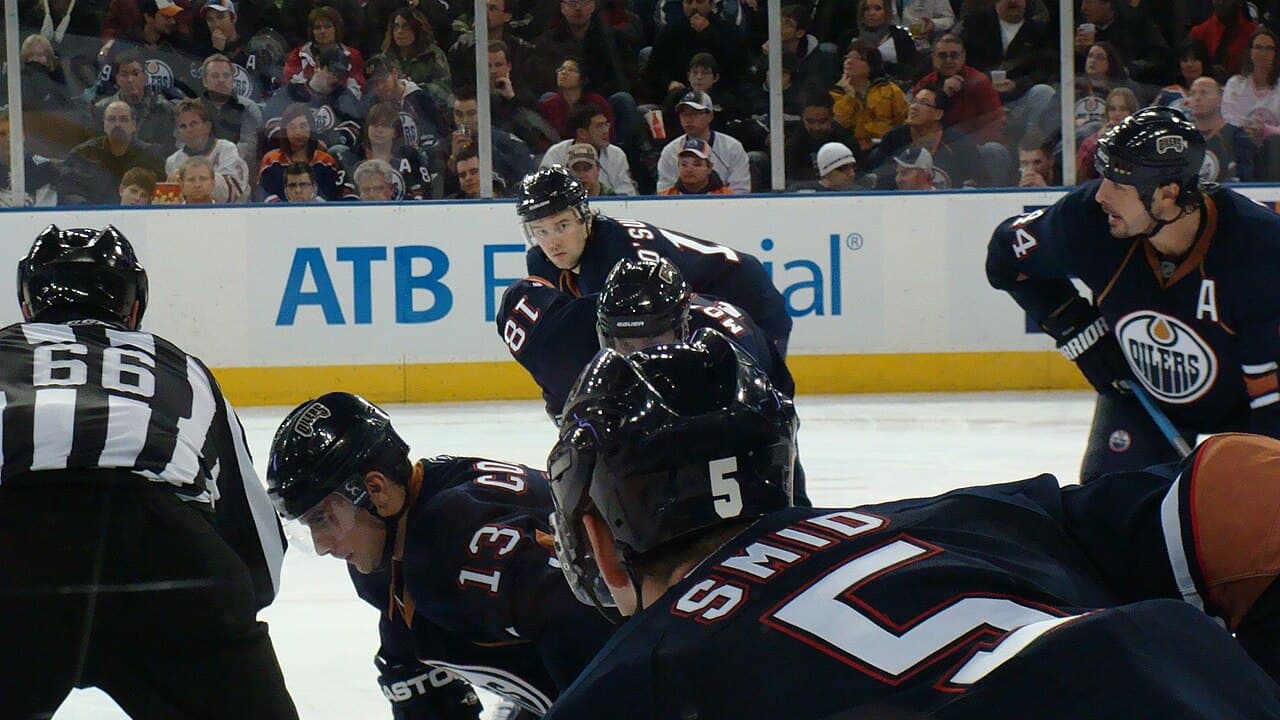
The Edmonton Oilers face the most important question of their offseason, and it is the same one that has haunted them for years: who plays goal? With the consensus around the league being that the current tandem is not the long-term answer, Edmonton heads into the summer needing to upgrade its crease while the championship window around Connor McDavid and Leon Draisaitl narrows. The problem is timing. The 2026 goalie market is thin, which means the Oilers' fix is likely to come through a trade rather than free agency, and that path is both more expensive and more complicated.
Why this is the offseason it matters most
Every year Edmonton delays solving its goaltending, the cost of inaction rises. McDavid and Draisaitl form arguably the best one-two punch in hockey, and a duo that dominant does not stay together cheaply or indefinitely. The pressure on management to maximize their primes is immense, and goaltending has repeatedly been the variable that separated the Oilers from a championship. A team this good at the other positions cannot keep leaving the most important defensive position to chance.
The internal options have not inspired confidence as a long-term solution, which is why the front office is widely expected to look outside the organization. The challenge is that the cleanest avenue, signing an established starter in free agency, is largely closed this summer because the available pool is shallow.
A thin free-agent market forces a trade
The 2026 unrestricted free-agent class is considered one of the weakest in years across the board, and goaltending is no exception. A wave of extensions around the league thinned the ranks of available stars before they ever reached the market, leaving teams that need help in net with few appealing options to simply sign. For a contender like Edmonton, overpaying a mid-tier free agent does not solve the problem, it just spends money to stand still.
That reality pushes the Oilers toward the trade market, where established starters occasionally become available but always at a steep price in assets. Acquiring a goalie via trade means surrendering some combination of prospects, picks, and roster players, and for a team that has spent heavily to build its core, those chips are scarce. The front office has to weigh the cost of a meaningful upgrade against the thinness of its asset base, a genuine dilemma with no easy answer.
The fantasy and betting angle
For fantasy hockey managers, goaltending is the most matchup-dependent and volatile position to roster, and any resolution to Edmonton's situation has ripple effects. A starting goalie behind a high-event, offensively dominant team like the Oilers carries appealing win upside, because Edmonton scores enough to vulture victories even on imperfect nights, but the same high-event style can punish save percentage and goals-against. Whoever ends up as the Oilers' starter becomes a streaming-worthy name on nights the matchup is favorable, with the team's offense providing a win floor that most netminders lack.
From a betting perspective, goaltending uncertainty is one of the bigger swing factors in a team's season-long outlook. A credible upgrade in net would tighten Edmonton's projected goals-against and strengthen its standing in the Stanley Cup futures market, while another summer of inaction would leave the same question mark that has dogged its recent playoff runs. Bettors eyeing Oilers futures should treat the goalie resolution as a key input rather than an afterthought.
The cost-benefit of overpaying
The uncomfortable truth for Edmonton is that the safe play and the smart play may diverge. Standing pat preserves the asset base but leaves the same vulnerability that has repeatedly ended the Oilers' seasons. Trading aggressively for a goalie depletes the prospect and draft capital that provide cheap depth, but it directly addresses the one position that has separated this team from a championship. For a contender with a finite window, the case for paying a premium grows stronger every year the window narrows.
The risk, of course, is that goaltending is the hardest position to forecast, and even an established starter can regress after a trade. That unpredictability is exactly why some front offices hesitate to surrender a king's ransom for a netminder. Edmonton has to decide whether the cost of certainty in net outweighs the cost of another offseason spent hoping an internal answer emerges, and there is no risk-free path through that decision.
The Verdexed model take
Verdexed's model consistently identifies goaltending as the highest-leverage and least predictable position in hockey, and it flags Edmonton as a team whose championship probability is unusually sensitive to its crease. The model's view is that the Oilers' skater group is strong enough to contend regardless, which means the marginal value of an upgrade in net is enormous: a few points of save percentage can be the difference between an early playoff exit and a deep run for a team that scores as much as Edmonton does.
The actionable read for futures bettors and fantasy managers alike is to watch Edmonton's crease moves closely this summer. A real upgrade would meaningfully boost the Oilers' projection and make their starter a sneaky fantasy add; another offseason of patchwork would keep the model's skepticism intact and leave the goaltending position as the team's defining vulnerability.
What's next
The NHL Draft and the opening of free agency in early July will set the stage, with the trade market for goaltending likely to heat up around those dates. For Edmonton, the clock is the real opponent. Every season McDavid and Draisaitl spend in their primes without a settled answer in net is a season the Oilers cannot get back, and the front office knows it. How aggressively Edmonton moves to fix the crease this summer will tell us how seriously it is treating a window that will not stay open forever.