Nick Bosa Is Out Multiple Weeks and the 49ers Defensive Line Is Gutted
By Verdexed NFL Desk
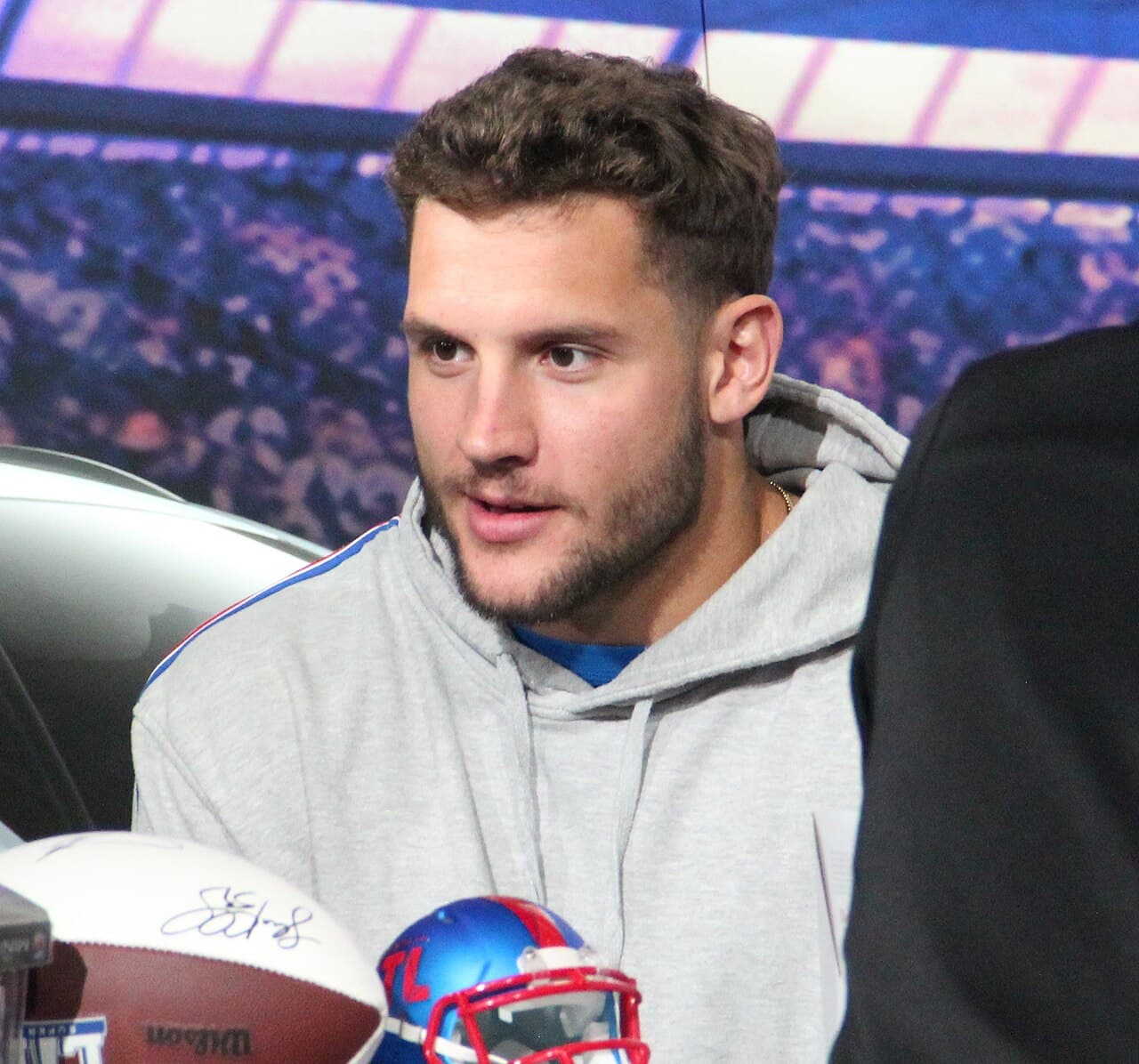
Nick Bosa suffered a significant calf strain during a Thursday morning walkthrough and is expected to miss multiple weeks, beginning with San Francisco's Week 3 game against Arizona. Head coach Kyle Shanahan confirmed the injury and indicated Bosa will be out a few weeks but is expected back this season, while acknowledging the 49ers could use injured reserve, a move that would require a minimum four-game absence.
The injury reportedly happened during a high-knees warmup before a walkthrough practice, which is the kind of detail that tells you this is a soft-tissue problem rather than a contact injury. Calf strains in edge rushers are notoriously slow to resolve because the position demands repeated explosive push-off, and re-aggravation is common when players return early.
The attrition is the real story
Bosa is the headline, but he is the fourth significant loss on this defensive line in three weeks. San Francisco has already lost Alfred Collins to a torn patellar tendon and Sam Okuayinonu to a broken foot in the first two weeks of the season, placed defensive tackle CJ West on injured reserve, and entered the year already without edge rusher Mykel Williams. That is a unit losing both its interior depth and its premier outside rusher at the same time.
Local coverage has described the situation in blunt terms, and the description fits. A defensive line is the one position group where depth cannot be faked. You can scheme around a missing linebacker or rotate safeties. You cannot manufacture pressure with players who do not win one-on-one matchups.
What it does to San Francisco's defense
Expect more blitzing, and expect it to backfire some of the time. When a defense loses its ability to generate four-man pressure, the coordinator's options narrow to sending extra bodies or playing coverage and hoping the quarterback holds the ball. Both choices carry a cost. Blitzing creates one-on-one opportunities downfield for the offense. Dropping eight concedes the short and intermediate game.
The measurable consequences show up in three places: a lower pressure rate, longer average time to throw allowed, and a higher opponent completion percentage on throws beyond ten yards. Quarterbacks facing this line over the next month should be more comfortable than the 49ers' defensive reputation would suggest.
Fantasy fallout
The direct fantasy fallout is on the IDP side, where Bosa is a clear drop in weekly value and where San Francisco's replacement edge rushers become speculative adds only in deep leagues. Most of them are not going to produce, because the pressure they generate will be the product of volume rather than efficiency.
The more actionable fallout is on the other side of the ball. Quarterbacks and pass catchers facing San Francisco over the next several weeks get a real bump, and the market tends to be slow to reprice defenses that carry a strong brand. Arizona is the immediate beneficiary in Week 3. If you have a borderline start against the 49ers in the coming weeks, the calculus has shifted toward starting them.
There is also a knock-on effect for San Francisco's own offense. Defensive lines that cannot get off the field lengthen opponent drives, which reduces the 49ers' own possession count. That is mildly negative for the volume of every San Francisco skill position player, and it slightly increases the odds of the 49ers playing from behind, which redistributes touches from the run game toward the passing game.
Betting angle
Two things happen when a team loses this much pass rush. Game totals against them rise, and their team defense props get worse. The market moves the total, but historically it does not move it as far as the underlying degradation justifies, particularly when the injured player is a defender rather than a quarterback. Defensive injuries are systematically underpriced relative to offensive ones.
The cleanest angle is opponent passing props. Quarterback completions and passing yardage lines against San Francisco are the numbers most likely to be stale, because they are set off season-long defensive profiles that included Bosa. Sack props for 49ers defenders are also worth a look on the under side, with the caveat that increased blitz volume muddies that picture.
For the Arizona game specifically, the move is toward the over and toward Arizona's passing game, not toward Arizona as a side. A weakened pass rush does not turn the 49ers into a bad team. It turns games involving them into higher-variance, higher-scoring affairs.
The Verdexed model take
Our model handles pass rush through a unit-level pressure input rather than by crediting individual players, which means Bosa's absence propagates through every downstream projection at once: opponent expected points per drive, opponent completion rate, and expected opponent scoring plays. Losing one elite rusher from an already depleted group produces a larger swing than losing him from a healthy one, because there is no remaining depth to absorb the snaps.
The model's clearest edge right now is on opponent team totals against San Francisco, where it is projecting meaningfully more points than the market has priced. Its secondary read is on 49ers game totals trending upward over the next month, and it is notably less bearish on San Francisco as a side than casual reaction suggests, because the offense is unchanged and the schedule is not brutal.
What is next
Watch for the injured reserve decision. If San Francisco places Bosa on IR, the four-game minimum sets a floor on his absence and effectively confirms the longer end of the timeline. If the 49ers keep him on the active roster, they believe he has a chance to return inside four weeks.
Also watch for whether San Francisco makes an outside addition. Teams in this position often sign a veteran edge rusher off the street, and while those signings rarely produce fantasy relevance, they are a signal about how the team views the timeline. A veteran signing means they expect to be shorthanded for a while.
For now, the actionable takeaway is straightforward: start players facing San Francisco with more confidence than you would have two weeks ago, and look at opponent passing props before the market catches up.