NFL Preseason Week 2 Preview: More Starters, More Signal, and What Actually Matters
By Verdexed Fantasy Desk
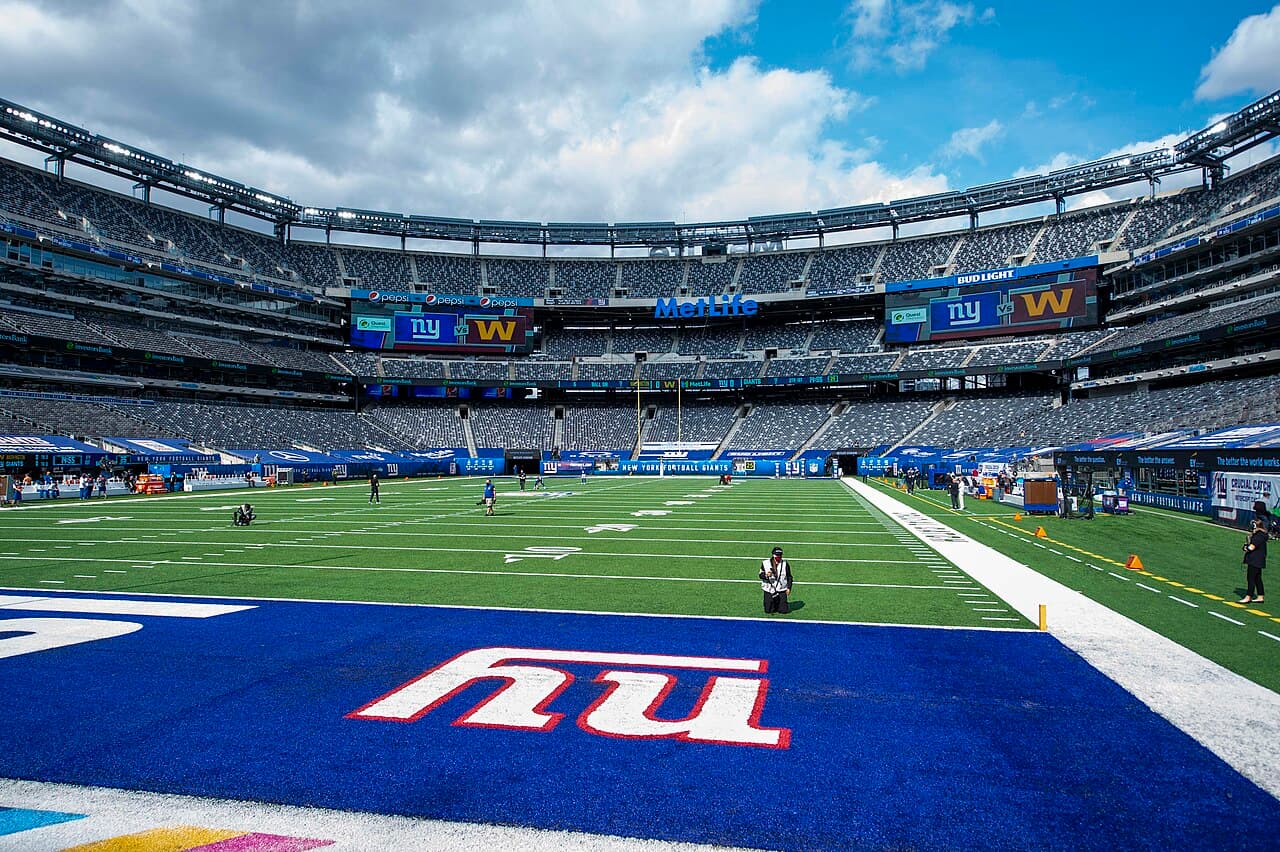
NFL preseason Week 2 begins Thursday, Aug. 20 and runs through Sunday, Aug. 23, with two games Thursday, three Friday, ten Saturday, and one on Sunday. Thursday's opener sends the Raiders to Houston at 8 p.m. ET on ESPN, followed by the 49ers at the Chargers at 10 p.m. ET on NFL Network.
This is the week that matters most for anyone still drafting. Preseason Week 1 is a rookie and roster-bubble showcase. Preseason Week 3 has increasingly become a walkthrough as teams protect their starters before the opener. Week 2 sits in the middle, and it is typically where starters play their most meaningful exhibition snaps of the summer.
Why Week 2 is the useful one
The information you want from a preseason game is not who won. It is personnel: which players are on the field together, in which packages, and in what order. That information is only available when a team plays something resembling its actual offense, and that generally happens in one window.
Week 1 tells you almost nothing about starters because most of them play a series or none at all. Week 3 has become the modern dress rehearsal in name only, with many coaches sitting their front-line players entirely to avoid a late-August injury. Week 2 is the compromise: enough starter snaps to see real personnel groupings, early enough that coaches are still willing to expose their players.
Track two things above all. First, base personnel: which receivers are on the field in three-wide sets, and which tight end plays when the offense goes to two. Second, the first backfield series: who takes the first-down carry, who takes the third-down snap, and who is on the field in the red zone. Those three roles are usually held by different players, and knowing which is which is worth more than any camp report.
Situations worth watching
Backfield splits are the highest-value thing to observe this week, because running back committees are where fantasy drafts create and destroy the most value. Several teams enter Week 2 with genuinely unresolved rooms, and the initial depth charts published before Week 1 in many cases listed co-starters or used an 'or' designation rather than resolving anything. Depth charts are marketing. Snap distribution is evidence.
Quarterback situations are the second tier. Multiple teams entered the preseason without a settled Week 1 starter, and the reps in Week 2 will be closer to a genuine audition than anything that happened in Week 1. Watch not just who plays first but who plays with the starting offensive line and the starting receivers, which is the reveal that snap order sometimes obscures.
The third thing to watch is the return of players who missed Week 1. Several teams held quarterbacks and skill players out of the opener with the explicit plan of getting them work in Week 2. A player appearing in Week 2 after sitting Week 1 is a meaningful health signal, and often a better one than a coach's public optimism.
Fantasy fallout
The single most actionable use of preseason Week 2 is timing your draft around it. If your league drafts before Thursday, you are guessing on several backfields that will be substantially clearer by Sunday night. If you can move your draft to the following week, do it.
If you cannot, build your board with that uncertainty priced in. In unresolved committees, the correct play is usually to take the cheaper back rather than the expensive one, because the market price of the presumed starter already includes the role you are hoping to confirm, while the price of the backup does not. You are being paid to take the uncertainty on one side and charged for it on the other.
For best ball and DFS players, the preseason itself is not a projection input, but the personnel information is. A receiver who plays the slot in three-wide sets has a different target profile than one who plays outside, and that alignment data is available in preseason and almost nowhere else this time of year.
The Verdexed model take
Our projections do not use preseason box scores. They should not, and neither should yours. Preseason production is generated against opponents who will not be on an NFL roster in three weeks, in vanilla schemes, with no game planning. A running back averaging seven yards a carry in August tells you nothing predictive.
What our model does ingest is the role information: snap share by package, alignment, and the ordering of personnel. Those inputs are stable and they carry forward. A player who takes the first-team third-down snaps in preseason Week 2 takes them in Week 1 far more often than not.
The practical translation for a fantasy manager: ignore the stat lines entirely, and read the participation reports instead. That is where the edge is, and it is the part almost nobody actually looks at.
Betting angle
Preseason games are among the least efficient markets on the board, and also among the least worth attacking, because the primary variable is coaching intent that is not public until roughly 90 minutes before kickoff. Anyone betting a preseason side without knowing which starters are playing is guessing at the single largest input.
If you are going to play these games, the discipline is simple: wait for the reports on starter usage, and treat the total as the more tractable market than the side. Teams that plan to play starters into the second half produce different pace and scoring profiles than teams that empty the bench after a series, and that information arrives before kickoff for anyone patient enough to wait for it.
What's next
The exhibition schedule wraps up after Week 3, and the cut to 53 players follows. That is when the real roster information arrives, and when the veteran quarterbacks and running backs who change fantasy landscapes hit the street. Week 2 is the last good look at intact starting units before then. Use it for personnel, not for scoreboards.