 NFL2026-07-23
Malik Nabers Opens Camp on PUP: Handle the Giants Star's Fantasy ADP With Care
By Verdexed Fantasy Desk
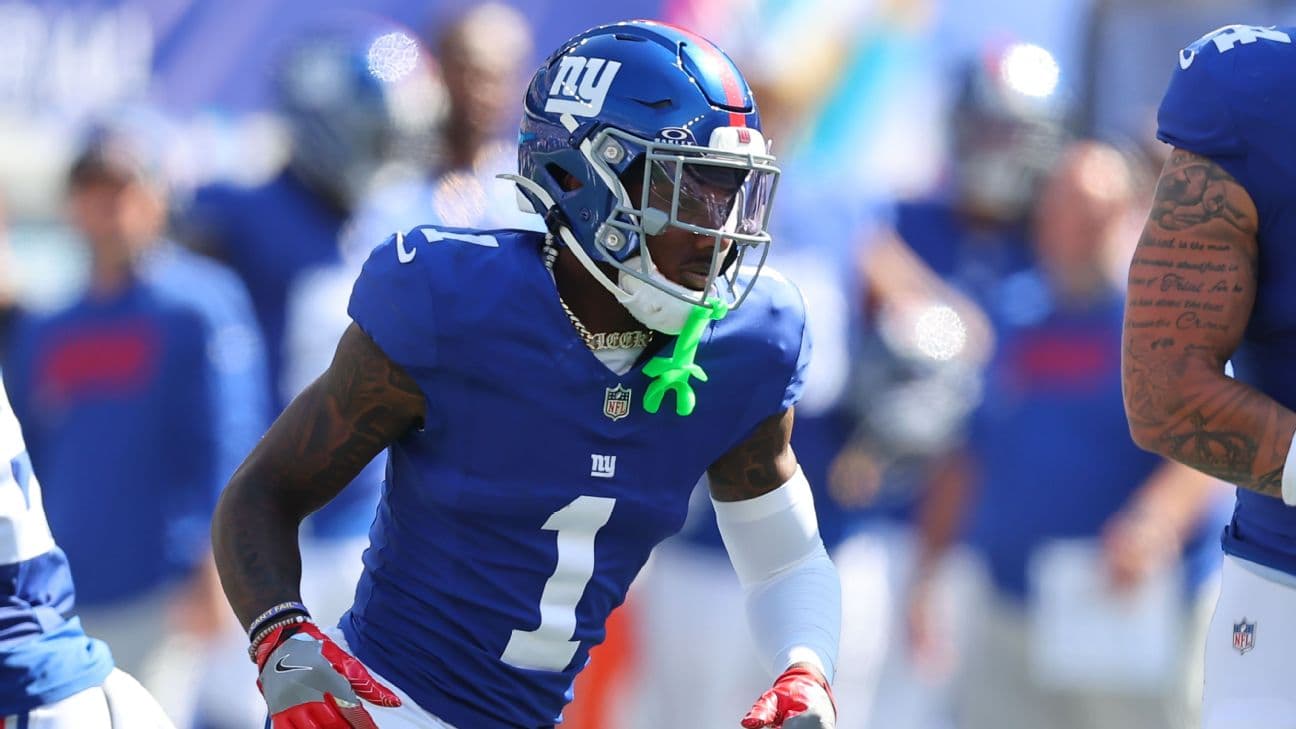
Malik Nabers is opening New York Giants training camp on the physically unable to perform list as he recovers from a torn ACL suffered last September and a follow-up knee procedure. The team has expressed cautious optimism that he can work his way into practice as camp progresses, but has offered no guarantees on the timeline, and a return to full form for Week 1 is very much in the air. For fantasy managers, that uncertainty needs to shape how they approach one of the more talented young receivers in the league.
The facts to anchor on: Nabers tore his ACL in September, has undergone multiple procedures on the knee since, and begins camp on PUP rather than practicing. The best-case scenario is that he passes a physical later in the summer and ramps toward Week 1, potentially on a snap count. The realistic range of outcomes also includes a slower build, a limited early workload, or a stint on injured reserve that would keep him out for the season's first several weeks.
Why the PUP designation matters
Opening camp on PUP is not the same as a season-long injury designation, and a player on the active PUP list can be activated to practice at any point during camp. But it does signal that Nabers is not yet cleared for full football activity, and the second procedure to address the knee adds a layer of caution to any projection. A receiver whose game is built on explosiveness and separation needs the knee at full strength to play to his ceiling, and that is precisely what remains unproven.
The more concerning branch is the possibility of reserve/PUP or injured reserve to start the season. If the Giants place Nabers on a designation that requires him to miss early games, the return could stretch weeks into the schedule. That is the scenario fantasy managers must price in, because it turns a first-month starter into a stash.
The fantasy fallout
Nabers's talent is not in question. When healthy, he is a target hog capable of anchoring a fantasy roster at receiver, and his ceiling is among the highest at the position for his age. The problem is that draft season requires managers to pay for that ceiling before the health picture is clear, and paying full price for a receiver who could open the year limited or sidelined is how rosters get sunk in September.
The smart approach treats Nabers as a talented but discounted asset rather than a set-and-forget starter. His average draft position should reflect the real chance of a slow start, and managers who draft him need a contingency plan at receiver for the opening weeks. The upside is real enough to be worth a shot at the right price; the risk is real enough that the price has to come down.
The Giants offense without him
If Nabers is limited or out early, the Giants passing game redistributes targets, and the beneficiaries become deep-league and best-ball values. New York's secondary pass catchers would see inflated volume in any window Nabers misses, making them viable streamers or flex options against soft coverage. Anyone drafting the Giants offense should map out who absorbs the targets, because that is where the immediate, cheaper value sits.
The flip side is that a healthy Nabers return elevates the entire New York passing attack, since his gravity opens the field for everyone else. That is the bull case that keeps him worth a discounted pick, but it depends on a knee that has not yet been tested in live action.
The Verdexed model take
Verdexed's model applies a significant availability discount to Nabers's rest-of-season projection, reflecting both the PUP designation and the two-procedure history rather than assuming a clean Week 1. The system models a range of return dates and weights the probability of a slow or delayed start more heavily than draft-market ADP typically does. The output is a talented receiver whose projected value is dragged down by games-missed risk, not by any doubt about his per-game upside.
The model also flags the Giants' secondary pass catchers as conditional values whose projections spike in any window Nabers is out. For managers hunting late-round upside, those are the names to target as Nabers insurance. For bettors, the receiver's uncertain status is a small drag on New York's team passing props until the knee is proven on the practice field.
The best-ball and dynasty split
Format matters when deciding how to handle Nabers. In best-ball leagues, where there is no in-season roster management and a manager simply banks a player's best weeks, Nabers is a more comfortable pick, because the format naturally absorbs the games he misses and rewards the high-ceiling weeks when he plays. His talent makes him a strong best-ball target at a discounted cost, since the downside of missed games is baked into the format itself.
In managed redraft leagues, the calculus is stricter, because a slow start or an IR stint forces a manager to eat a roster spot or scramble for a replacement. There, the discount has to be steeper and the contingency plan firmer. Dynasty managers, meanwhile, should simply hold: a receiver of Nabers's age and talent does not lose long-term value over one injury-clouded summer, and buying the dip from a nervous rival could be a shrewd long-term play.
What to do in your draft
Do not draft Nabers as a plug-and-play WR1 at a premium price. Draft him at a discount that accounts for a possible slow start, and pair the pick with a stable early-season receiver so a delayed return does not cost you September. His ceiling justifies a swing; his injury history forbids paying full freight.
Monitor the camp reports closely for the first time he practices in team drills, because that is the real signal that the knee is ready. Until then, treat every optimistic-but-hedged team update as exactly that, and keep the Giants' target-absorbers on your late-round radar. The talent is elite; the timeline is the thing that decides whether he is a bargain or a trap.