Kenyon Sadiq Hits a Hernia Setback and the Jets Tight End Room Opens Up
By Verdexed NFL Desk
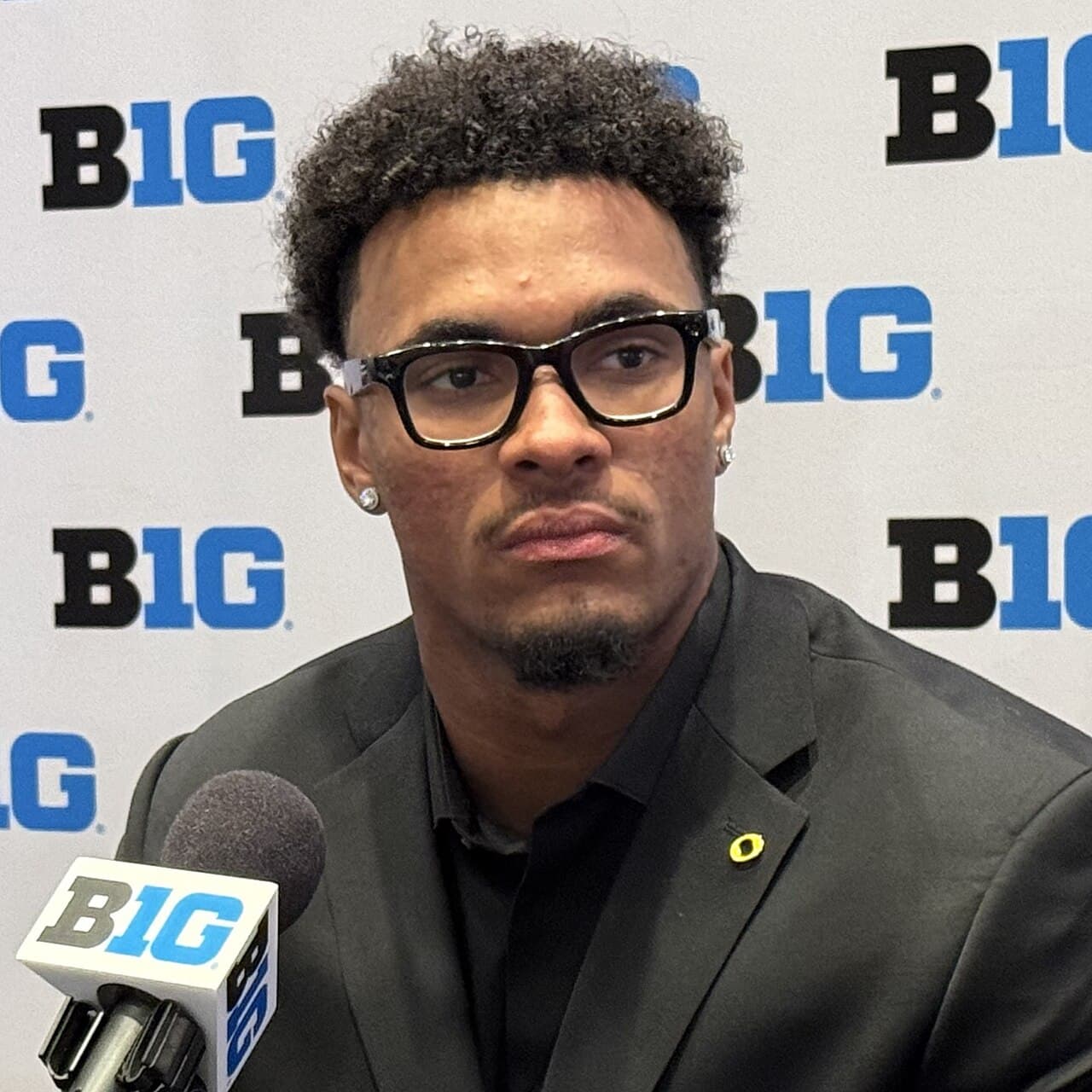
New York Jets rookie tight end Kenyon Sadiq has been sidelined by a setback in his recovery from offseason hernia surgery, head coach Aaron Glenn confirmed Tuesday. Sadiq, taken 16th overall in April, had the procedure in May and missed a significant portion of the team's offseason program before returning for the first three practices of training camp.
Glenn said the setback is hernia-related and described Sadiq as being out for what he characterized as a little bit, without offering a specific timeline. Glenn indicated he still expects Sadiq to be available for the start of the regular season and said another surgery is not anticipated. Glenn also noted that hernia procedures are frequently performed on both sides, and that the team wants to be deliberate about the decision rather than rush him back.
The developmental cost is the real story
The timeline matters less than the reps. Rookie tight ends are the slowest-developing skill position group in football, and the reason is not physical. It is that the position requires learning an NFL blocking scheme, an NFL route tree, and the protection responsibilities that determine whether a coordinator trusts you on third down. That learning happens in practice, and Sadiq has now missed most of the offseason program plus an unspecified chunk of camp.
A player who returns in late August and is medically cleared for Week 1 is not the same player as one who took every rep from OTAs through the preseason. He will be behind on the playbook, behind on chemistry with his quarterback, and most importantly behind on the trust required to earn a full-time snap share. Coaches do not put tight ends who cannot block in protection on the field on early downs, and they do not run their core route concepts through a player still learning them.
That is the practical read: even a healthy Sadiq in September is likely a limited-package player rather than a featured one.
Fantasy fallout
Sadiq was one of the more popular late-round tight end targets in 2026 drafts, on the reasonable logic that first-round tight ends who land in offenses with target vacancies sometimes hit early. That case is now materially weaker, and his price should reflect it.
He is not undraftable. First-round draft capital is the single best predictor of eventual tight end production, and the injury is a soft-tissue recovery issue rather than a structural one. But he should be a final-round flier in redraft rather than a mid-round bet on a breakout, and in one-tight-end leagues there are safer uses of a roster spot.
The beneficiaries are the veterans in the room. Whoever holds the Jets' TE1 job through the preseason now has a clearer runway to open the season with the majority of the snaps, and in an offense that will likely lean on short, structured throws, that role carries streaming value in deeper leagues. Watch which tight end runs with the first team in the preseason opener.
The Verdexed model take
Our rookie projections apply a practice-participation adjustment to first-year players, on the finding that missed offseason and camp reps correlate strongly with reduced early-season snap share at tight end specifically. The effect is largest at tight end and smallest at wide receiver, which is intuitive: receivers can contribute while still learning, tight ends generally cannot.
Applying that adjustment, Sadiq's projected first-quarter-of-the-season snap share drops meaningfully while his projected end-of-season role stays roughly intact. The model still likes him as a second-half asset and as a dynasty holding. It no longer likes him as a September starter in any format.
The input to watch is the preseason. If Sadiq returns in time to play in the Jets' second or third preseason game and runs with the first unit, the practice-participation penalty largely unwinds and his projection recovers. If he is held out of the entire preseason and cleared only for Week 1, the penalty holds and the model treats him as a stash.
Dynasty is a different question
In dynasty formats, this is close to a non-event and possibly an opportunity. A hernia recovery has no bearing on a 22-year-old's three-year outlook, and the position's typical development curve means most first-round tight ends do not produce meaningfully until their second season anyway. If a manager in your dynasty league drafted Sadiq expecting immediate returns and is now souring on him, that is exactly the window to acquire him.
The price should be modest. Rookie tight ends who miss camp time get discounted aggressively by managers who need production now, and the market rarely distinguishes between a soft-tissue setback and a structural injury. That distinction is where the value is.
What's next
The Jets have not announced a return date and Glenn declined to provide one, which usually means the team itself does not know. The next meaningful marker is whether Sadiq returns to practice before the Jets' preseason schedule begins in earnest.
The secondary storyline in the same room is New York's backfield, where Braelon Allen has drawn positive early camp reviews after reportedly adding weight in the offseason and is competing for the primary role behind Breece Hall. That is the Jets camp battle with more immediate fantasy relevance, and it is worth tracking alongside the tight end situation as the preseason opens.
For now, adjust Sadiq down in redraft, hold or buy in dynasty, and put the Jets' veteran tight end on your deep-league watch list.