 NBA2026-09-08
Fantasy Basketball Draft Strategy for 2026-27: Draft Roles, Not Reputations
By Verdexed NBA Desk
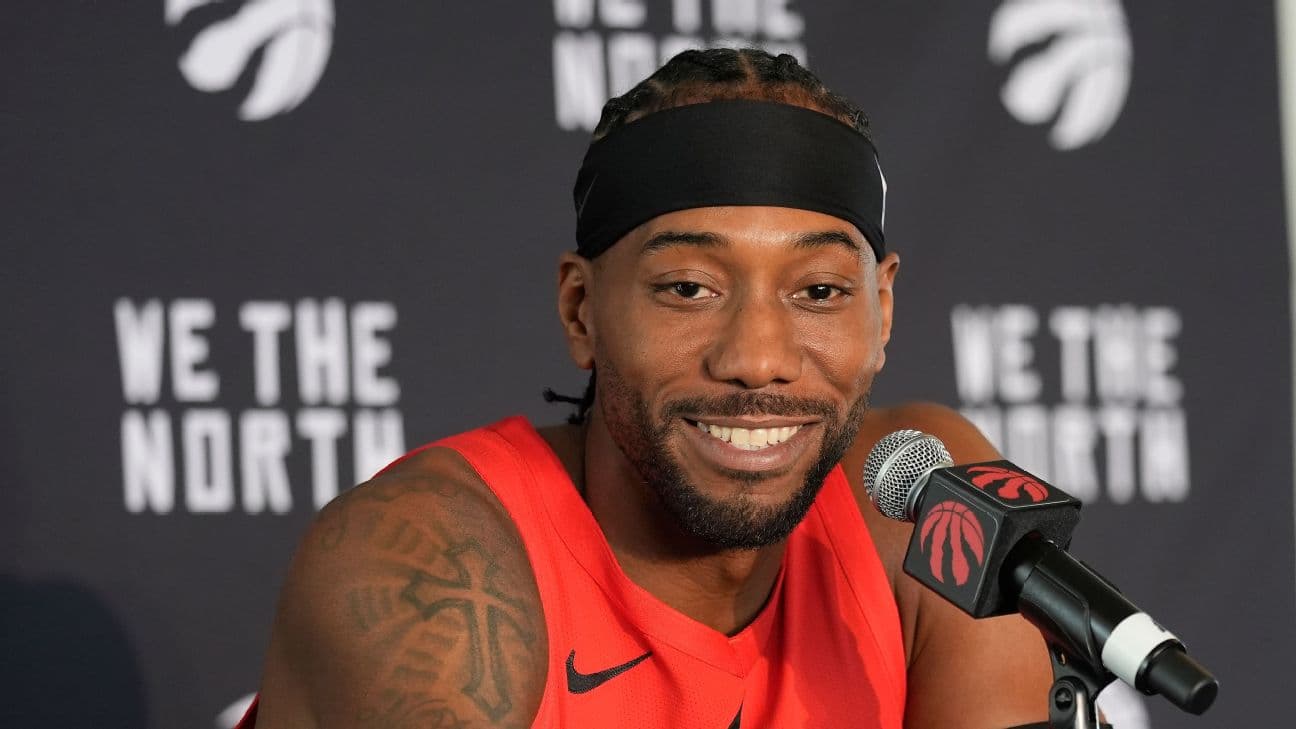
The 2026 NBA offseason relocated more established production than any summer in recent memory. Giannis Antetokounmpo was traded to Miami. Kawhi Leonard's move to Toronto finally closed after a league investigation held it up for weeks. Jonathan Kuminga signed with Minnesota to fill a starting power forward job. DeMar DeRozan landed in Denver on a one-year deal. Ben Simmons signed in Sacramento.
Fantasy drafts have not caught up, and the reason is structural rather than lazy. Average draft position is built on last season's box scores, and last season's box scores were produced by rosters that no longer exist. That gap is where a 2026-27 championship gets won.
The core principle: role beats reputation
Fantasy basketball is a minutes-and-usage game before it is a talent game. A good player on a crowded roster produces less than an average player with a defined role, and category leagues punish inconsistency more harshly than points leagues do.
The practical version of this rule is to ask two questions about every player before you draft him. Is his starting job actually secure, and is there a plausible path for his usage rate to fall by five points or more? If the answer to the first is uncertain or the second is yes, move him down your board regardless of what he did last season.
Apply that test to Miami. Adding a two-time MVP to a roster that also added shooting means someone's usage falls, and the player whose reputation is largest is not the one who loses it. Apply it to Minnesota, where Kuminga arrives to a rotation that already includes an established scoring hierarchy. Apply it to Denver, where a veteran scorer joins an offense organized around one of the best passers in league history.
Where the value actually is
The middle rounds are where role churn creates the biggest gaps between price and production, and there are three specific categories worth targeting.
The first is players who inherited minutes from a departed teammate. Milwaukee's rotation after the Antetokounmpo trade is the clearest case in the league: a team that lost its entire offensive center of gravity has to redistribute roughly a third of its possessions, and the players absorbing them are being drafted at last season's prices.
The second is players on teams that changed coaches. Systems drive pace, and pace drives counting stats more than talent does at the margins. A team that hires a coach known for playing fast will produce more fantasy value in aggregate than its roster suggests, and the market is consistently slow to price that.
The third is the returning-from-injury tier. Players who missed significant time carry depressed draft prices well past the point where the medical information justifies it. This is the most reliable source of value in every fantasy sport, and basketball is no exception.
The categories that decide leagues
In nine-category formats, the two categories that most often decide standings are blocks and turnovers, because both are concentrated in a small number of players and both are difficult to fix on the waiver wire.
That argues for a specific draft shape. Take your elite big early enough that you are not fighting over the last useful shot-blocker in round eight, and be genuinely willing to punt a category rather than finishing fifth in all nine. Punting free throw percentage remains the most effective single-category punt available, because it unlocks a group of high-value bigs whose draft prices are suppressed by a category you have chosen not to contest.
Assists are the category that has changed most this offseason. Several teams reorganized their primary ball handling, which means last season's assist totals are among the least predictive numbers on the board.
The Verdexed model take
Verdexed's model builds its 2026-27 rankings from projected minutes and projected usage rather than from prior-season per-game output, and the resulting board diverges from consensus ADP most sharply in two places.
It is more aggressive than the market on players who changed teams into clearly defined roles, and more conservative than the market on players who stayed put while their team added a high-usage teammate. Those two adjustments account for most of the difference between the model's board and public ADP.
The model is also more skeptical than consensus about the top of the rookie class. The 2026 draft group is deep and highly regarded, but rookie minutes are volatile, and a first-year player on a competitive team is a worse fantasy asset than an equivalent player on a rebuilding one. Draft the rookie whose team has nothing to lose, not the one whose team has a playoff seed to protect.
On the betting side, the same framework applies to win totals. The model reads teams with newly consolidated usage as more likely to beat their number than teams that added talent without clarifying roles, because rotation clarity in October translates to fewer wasted games in November.
What to do in your draft
Three rules to carry into a 2026-27 draft.
Do not draft a player whose starting job you cannot confidently name by position and by team. If you have to argue for it, the market has priced the argument and you are paying for hope.
Wait on the extension-eligible players until the October 19 deadline passes, because contract status is the most reliable public signal about minutes security that the league produces before camp.
Build around three or four players with defined roles and use the rest of your roster for upside swings on situations that could clarify in your favor. In a season this volatile, the waiver wire will be the most valuable it has been in years, and roster flexibility is worth more than a marginal upgrade in round nine.