Dylan Larkin Requests a Trade From Detroit: The Red Wings Captain Headlines the NHL Market
By Verdexed NHL Desk
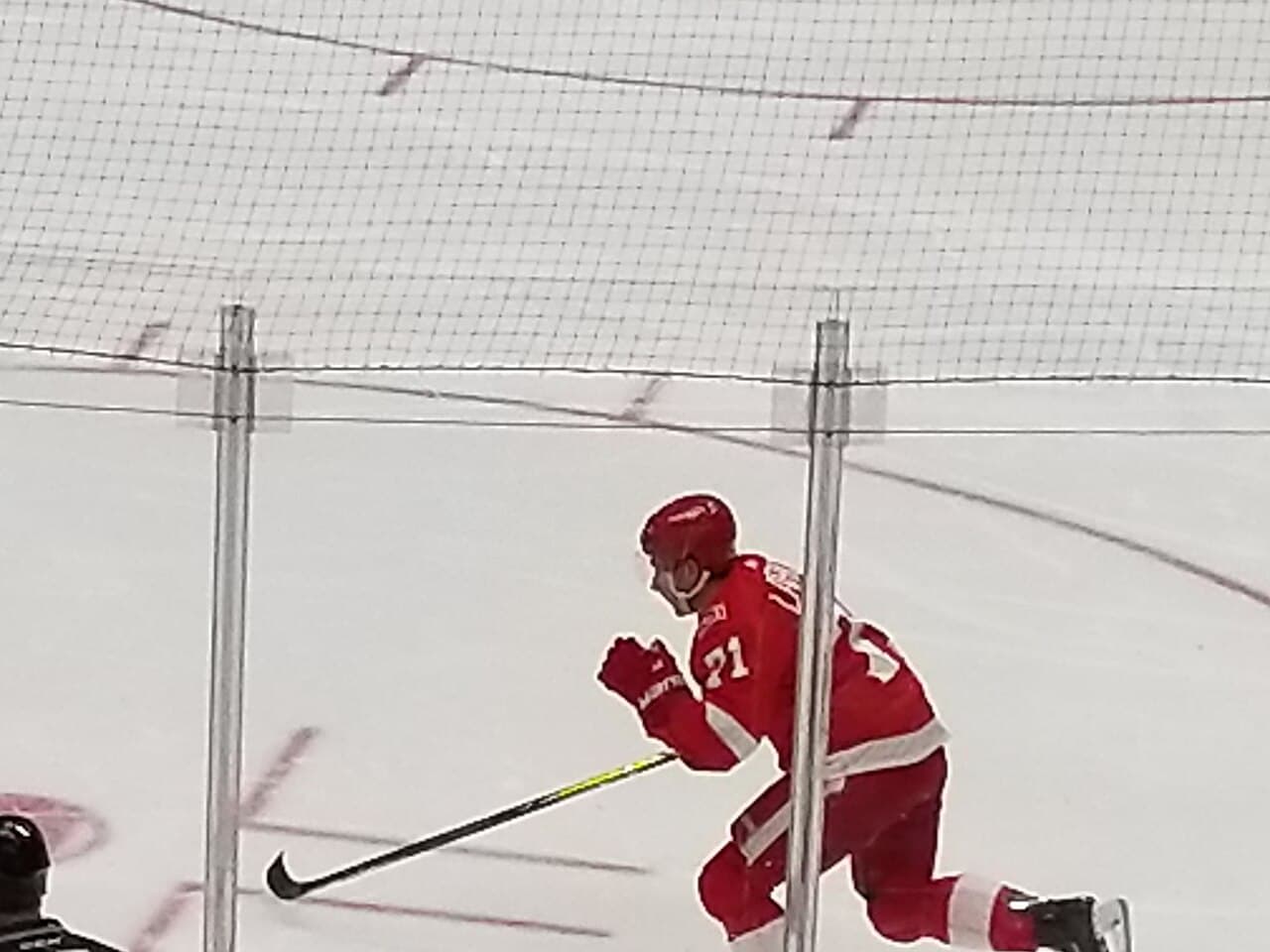
Dylan Larkin has reportedly requested a trade from the Detroit Red Wings, a development that vaults the captain to the top of the NHL's offseason trade market and sets up one of the summer's defining storylines. According to reporting from a prominent insider, Larkin asked out after another season in which Detroit fell short of the playoffs, and his full no-trade clause means his list is limited, with Vegas, Minnesota, and Florida cited as the destinations he would approve. For fantasy and keeper managers, a star center potentially changing teams is a value event worth tracking closely.
The roots of the request reportedly run deeper than a single disappointing season. Tension between Larkin and the organization has been simmering, with reporting tracing friction back to contract negotiations a few years ago, and the team's continued inability to break through to the postseason appears to have brought the relationship to a head. When a 29-year-old captain in his prime asks out of the only organization he has known, it signals a divide that a trade may be the cleanest way to resolve.
Why the no-trade list matters
The limited list is the most important detail for handicapping where Larkin lands. A full no-trade clause gives the player control, and a list reportedly confined to Vegas, Minnesota, and Florida narrows Detroit's leverage considerably. The Red Wings cannot simply maximize a return across all thirty-one other teams; they have to find a deal that works with one of three specific clubs, which tends to compress the price and shape the negotiation around fit rather than a pure bidding war.
Each destination carries a different fantasy implication. A move to a high-powered, deep team could see Larkin slot into a complementary role that trims his ice time and usage, while a landing spot where he is the clear top-line center would preserve or enhance the heavy minutes and offensive responsibility that drive his fantasy value. The specific destination, and the role he inherits, will determine whether a trade lifts or dampens his outlook.
The fantasy stakes
Larkin is a legitimate fantasy asset: a top-line center who plays big minutes, drives offense, and contributes across categories. The single biggest variable for his value is opportunity, and opportunity is exactly what a trade puts in flux. On a team that leans on him as its number-one center and power-play hub, his ceiling stays high. On a deeper contender where he is one of several scoring options, his ice time and special-teams role could shrink, capping his counting stats even if his efficiency holds.
For keeper and dynasty managers, the move is a watch-and-react situation. Holding Larkin through a trade is reasonable given his talent, but the destination determines whether to buy more, hold, or sell. The managers who track the resolution closely and understand how each potential landing spot affects his role will be positioned to act before the rest of their league digests the news.
The ripple across the market
Larkin is the headliner, but he is not the only name in motion. The broader NHL trade market has been active, with other established players surfacing in speculation as teams reshape around a rising salary cap that makes major moves easier to absorb. A star center asking out tends to accelerate the entire market, because it forces contenders to decide whether to pursue the available talent and sets a reference point for the kind of return a top-line player commands.
For fantasy purposes, the takeaway is that the offseason is fertile ground for value shifts. Every significant trade reshuffles roles, ice time, and special-teams deployment across multiple rosters, and the managers who pay attention during the summer often enter the season with an edge. Larkin's request is the kind of domino that can trigger a cascade, and the downstream effects on other players are worth monitoring as the market develops.
The Verdexed model take
The Verdexed model treats Larkin's trade request as a signal that a move is likely but holds his projection steady until a destination is known, because his value swings almost entirely on the role he inherits. The model frames the outcome as a fork: a landing spot that hands him top-line, power-play minutes preserves his fantasy ceiling, while a deeper roster that distributes its scoring would apply an ice-time and usage haircut. The talent is not in question; the deployment is.
From a team-building lens, the model reads a Larkin trade as a meaningful talent transfer that would lift the acquiring club's projected offense, with the magnitude depending on how the player is used. The limited no-trade list concentrates that impact on three contenders, and the model will recalibrate both Larkin's individual outlook and the destination team's projection the moment a deal is reported.
What's next
The story now waits on resolution. Watch which of the three approved destinations engages Detroit most seriously, what role Larkin would inherit there, and how the return shapes the Red Wings' own outlook as they pivot toward a roster reset. For fantasy managers, the destination is everything: it determines whether Larkin's value climbs, holds, or slips, and it sets off ripples across the rosters involved.
A prime-aged captain requesting a trade is among the most impactful events an NHL offseason can produce, and Larkin's situation sits at the center of the summer's market. The managers who understand how each potential outcome reshapes his role, and the roles of the players around him, will be the ones ready to pounce when the deal finally lands.