Dylan Larkin Requests a Trade From Detroit: A Top-Six Center Hits a Growing Market
By Verdexed NHL Desk
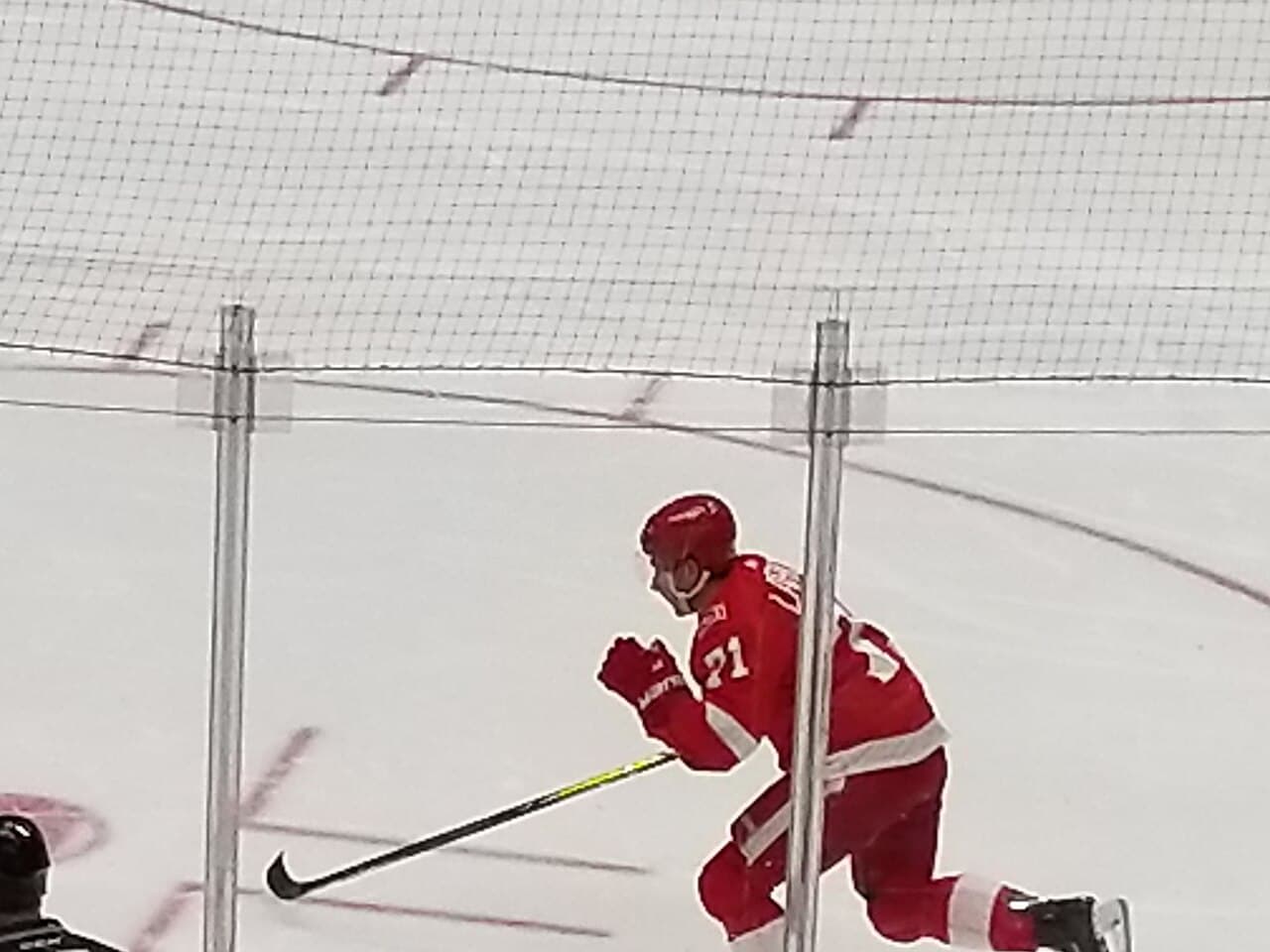
Dylan Larkin, the Red Wings captain and the face of the franchise for the better part of a decade, has requested a trade out of Detroit, a stunner that puts one of the league's most consistent two-way centers on the market just as draft week and free agency approach. For fantasy managers in keeper and dynasty formats and for futures bettors, a Larkin move is one of the offseason's most significant dominoes, because a 70-point center changing teams reshapes both his own outlook and the contention picture of whichever club lands him.
Larkin reportedly requested the trade after Detroit missed the postseason for the tenth consecutive year, the kind of organizational frustration that eventually wears down even a hometown captain. He is signed through 2030-31 and has averaged around 71 points per season over the last five years, the profile of a legitimate first-line center with term and production. That combination of cost certainty and output makes him a rare available commodity, the sort of player who can headline a contender's offseason.
The market is expanding
Larkin's initial trade list reportedly featured three teams, the Panthers, Golden Knights, and Wild, clubs that each include one or more of his teammates from the 2026 Olympics. Since then, the list of interested parties has grown to include San Jose, Dallas, Utah, and Philadelphia, and general manager Steve Yzerman reportedly asked to expand the original three-team list, a request Larkin's camp was receptive to. Florida, one of the original three, may have already put forward an offer.
The expansion of the list matters because it changes Larkin's fantasy outlook depending on where he lands. A move to a high-powered offense like Dallas or a deep, structured contender like Florida or Vegas would put him in position to play meaningful minutes with elite linemates and quality power-play time, the inputs that drive a center's fantasy production. The destination, not the move itself, determines whether this is a lateral shift or a genuine value boost for managers who roster him.
Fantasy fallout: a destination-dependent center
For fantasy purposes, Larkin's value hinges almost entirely on his new role. In Detroit he has carried a heavy two-way burden, often matched against top opposition while anchoring the offense. Landing on a deeper team could ease that defensive assignment and let him play more to his offensive strengths, potentially lifting his point totals, or it could push him into a complementary role behind an established No. 1 center, which would cap his upside. Managers should watch the linemate and power-play projections closely once a destination emerges.
The ripple effects extend to Detroit's remaining roster. A Larkin trade would funnel top-line minutes and power-play time to the Red Wings' younger forwards, creating new fantasy opportunity in a lineup that would be reorienting around its next core. Dynasty managers holding Detroit prospects should view a Larkin departure as a usage unlock, the kind of role expansion that can accelerate a young player's fantasy timeline by a season.
The Verdexed model take
The model treats Larkin as a clear value-add for any of his suitors and frames the trade as a question of fit rather than talent. It projects the largest fantasy bump if he lands on a team that can pair him with finishers and hand him a featured power-play role, and a more muted impact if he slots behind an entrenched top center. The model's read on the expanding market is that competition among suitors raises the return Detroit can command, which in turn signals how much rival contenders value adding a center of his caliber.
On the team side, the model expects a meaningful two-way shift in futures. A contender that adds Larkin's production and term would see its projected point total and playoff odds tick upward, while Detroit's near-term outlook softens as it pivots further toward a rebuild. The model would price the buyer's improvement conservatively until the full return and linemate picture are known, since a center's value is so dependent on the talent around him.
What's next
With the draft on June 26-27 and free agency opening July 1, the timeline favors a resolution in the coming days, as acquiring teams often prefer to lock in a major addition before the market opens. Watch which of the expanding list of suitors emerges as the front-runner, and pay attention to the linemate and power-play projections that follow, because those determine whether Larkin is a fantasy hold or a buy in his new home. The request is made; now the destination is the whole story.