 NFL2026-08-23
Calvin Ridley Restructured to Stay in Tennessee and Carnell Tate Just Got a Better Fantasy Season
By Verdexed Fantasy Desk
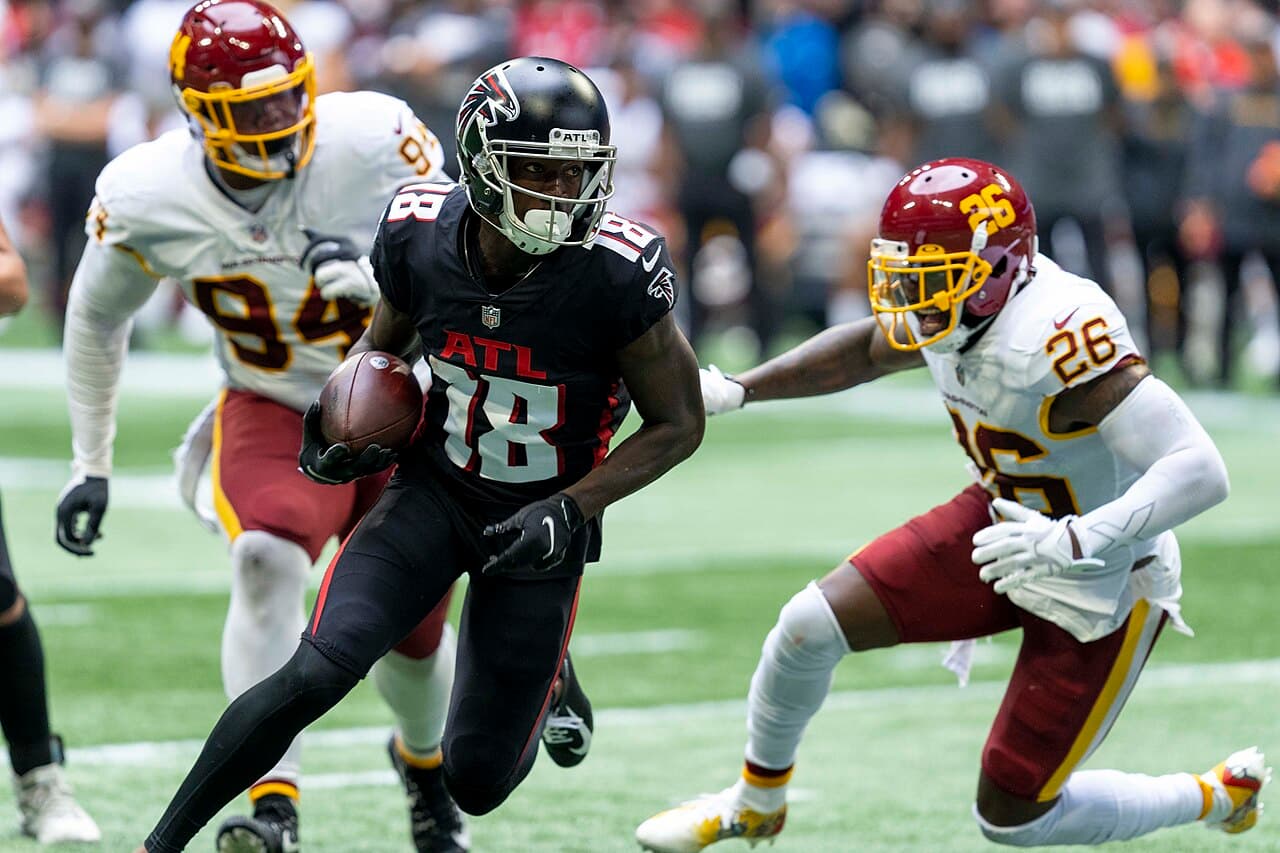
Tennessee and Calvin Ridley agreed to a restructured contract that keeps the veteran receiver with the Titans for the 2026 season, resolving a situation that had been building toward a Saturday roster bonus. Reporting puts the new terms around $13 million for 2026 with roughly $12.5 million guaranteed, replacing what would have been a cap charge in the mid-$20 million range. Ridley originally signed a four-year, $92 million deal with Tennessee.
The move was a genuine fork in the road. A team that declines to rework a contract at that number is a team preparing to release the player, and Ridley being released three weeks before the opener would have reshuffled the receiver market for half the league. Instead he stays, and the Titans keep the veteran presence around a rookie who needs one.
Why Tennessee did it
Ridley's 2025 was a lost season. He suffered a hamstring injury in the second quarter of a Week 6 loss to Las Vegas and missed the next three games, returned in Week 11 against Houston, and then broke his fibula and missed the rest of the year. A team evaluating that season in isolation gets to a release. A team evaluating the roster around it does not.
Tennessee's receiver room is thin. The Titans came out of free agency without the outside additions they wanted, which is precisely the gap Ridley's restructure fills. And the second-year quarterback situation matters: Cam Ward is entering a season the franchise needs to look like progress, and taking away his most experienced target three weeks before Week 1 is not how a team engineers that.
There is also the rookie. Carnell Tate has been Ward's most consistent target through camp and has already been described inside the building as needing the kind of veteran mentorship Ridley can provide. Tate missed a practice earlier in the week with the Titans already stretched at the position, which underlined how little margin the room has.
Fantasy fallout
The instinct is that Ridley staying suppresses Tate. The instinct is wrong, and understanding why is the actionable part.
Rookie receivers on thin depth charts do not get more valuable as the room empties out. They get more heavily defended. A rookie who is the only credible option on his offense sees bracket coverage, sees the opponent's top corner every snap, and sees his efficiency collapse even as his target count rises. The rookies who produce are the ones playing next to a veteran who commands enough attention to leave single coverage available.
Ridley at 100 percent health is exactly that veteran. Even at reduced effectiveness, a receiver with his route tree and his history draws safety attention on the boundary. That is worth more to Tate's per-target production than the handful of targets Ridley takes off his plate.
For Ridley himself, the fantasy read is more cautious. Two significant injuries in one season for a receiver on the back half of his career is a real availability concern, and the restructure itself signals how the team values him: at $13 million rather than the number his original contract implied. He belongs in the late-round, upside-if-healthy tier rather than in the range where his name recognition usually puts him.
For Cam Ward, this is a modest positive that does not make him a fantasy starter. A second-year quarterback with an improved but still limited receiver group is a streaming option in good matchups, not a weekly play.
What to do in your league
Move Tate up. Not dramatically, but into the range where a rookie receiver with a confirmed top-two role on a team that will throw is worth a genuine pick rather than a flier. His path to targets was never in doubt; what was in doubt was whether he would be facing the opponent's best coverage on every snap with nothing on the other side. That question is now answered better than it was 48 hours ago.
Treat Ridley as a bench stash with a real chance to be the more productive of the two in the first month, while Tate goes through the rookie adjustment that almost every rookie goes through. Veteran receivers in reworked deals often start faster than the rookies drafted to replace them, and the market rarely prices that.
Avoid the Tennessee offense in DFS in the first three weeks. A young quarterback, a rebuilt receiver hierarchy and a defense that will not force many shootouts is a bad combination for the game environments DFS lineups need.
The Verdexed model take
Our receiver projections include a coverage-attention term derived from the quality of the second-best pass catcher on the same offense. It is one of the few adjustments in our system that improves a player's efficiency projection when a teammate gets better, and it is the reason our model has historically been higher than consensus on rookies playing next to established veterans and lower on rookies who are the entire passing game.
Applied here, the restructure raises Tate's projected yards per target while lowering his projected target share slightly. The net effect on his full-season projection is positive, and it moves him up roughly a tier in our rookie receiver rankings.
Ridley's projection rises on availability rather than on role. Our model had been carrying a meaningful probability that he was released and landed somewhere with a worse target path or no path at all. Removing that branch improves his expected outcome even though his projected usage in Tennessee is modest.
For the team, the model treats this as a small upgrade to Tennessee's projected passing volume and no change to their projected efficiency. The Titans' win total, which has been priced near the bottom of the AFC South, is unaffected.
What's next
The August 30 cutdown will finalize a receiver room that has been in flux all month. Watch whether Tennessee adds another veteran off the waiver wire, because a third credible option would change the target math again. Watch Tate's practice participation after the missed session earlier this week.
And watch Ridley's usage in the preseason finale, if he plays at all. A veteran on a reworked deal who takes real reps in the last exhibition is a veteran the team is planning to use. One who does not play is one being preserved, which tells you something about how confident Tennessee is in the hamstring and the fibula holding up across 17 games.