 MLB2026-09-12
The Brewers and Dodgers Are About to Clinch and Your Fantasy Title Week Is the Casualty
By Verdexed Fantasy Desk
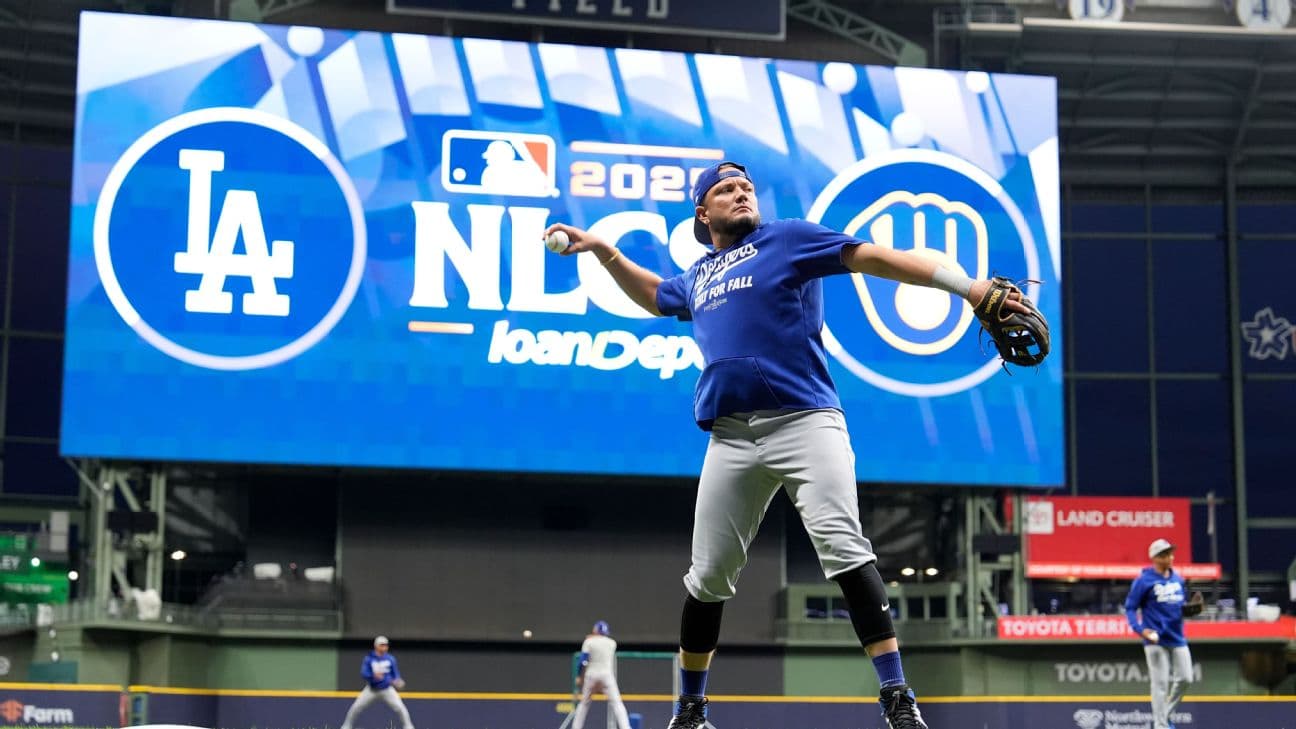
Milwaukee entered the weekend with a magic number in the mid single digits and a lead over Chicago in the National League Central measured at eight games or more. The Dodgers sat in the same position in the National League West, with a double-digit lead over Arizona and San Diego and a magic number that will reach zero within days.
Both clinches are coming. For fantasy managers heading into championship weeks, that is not a celebration. It is a scheduling problem, and the managers who plan for it now will have functioning lineups when the people who ignored it do not.
What clinching actually does to playing time
The pattern is consistent across organizations. Once a division is locked, a contending team's priorities shift to three things: resting position players who have carried heavy workloads, managing pitcher innings toward an October assignment, and getting a look at the bench players who might make a postseason roster.
The effects show up in a predictable order. Everyday position players start getting scheduled days off, usually one in every three or four games rather than one in every seven. Catchers get the most rest of anyone, because the position is the most physically taxing and because postseason catching is the least replaceable skill on a roster. Starting pitchers get shortened outings, then skipped turns. High-leverage relievers get used less often in games that no longer matter, which quietly destroys save opportunities.
None of that is a judgment about the player. It is a rational allocation of a resource that has already accomplished its regular-season purpose.
The players most at risk
Milwaukee and Los Angeles regulars are the obvious group. Anyone rostering an everyday player from either club should expect reduced starts in the final two weeks, with the largest reductions going to the oldest players and those carrying nagging injuries.
Closers on clinched teams are the sneakiest problem. A save requires a lead of three runs or fewer in the ninth, and a team playing its bench in low-stakes games produces fewer of those situations. A closer who has been a weekly lock can go a full scoring period without an opportunity through no fault of his own.
Starting pitchers on clinched teams lose innings, wins and strikeouts simultaneously. A five-inning outing on a pitch limit is a fraction of the value the same pitcher provided in July. In points leagues the drop is severe. In category leagues it costs a manager the strikeout total that usually decides the category.
Where the value moves
The mirror image of this problem is the opportunity. Players on teams still fighting for a spot are worth more in the last two weeks than their season-long value suggests, because they will play every inning of every game.
The American League is where that concentration sits this year. The wild card picture there has remained tight into September, with several clubs separated by a game or less, and those teams will not rest anybody. The same applies to the National League clubs chasing the final wild card spot, where a race that has run all month will go to the final weekend.
The practical version of that observation: in a championship-week matchup, a good player on a desperate team beats a great player on a clinched team. That is not a close call, and it is the single most exploitable inefficiency in fantasy baseball's final two weeks.
The Verdexed model take
Verdexed's projection system treats expected plate appearances and expected innings as separate inputs from per-appearance production, which is exactly the separation this situation requires. A clinch does not change a hitter's ability. It changes how many chances he gets to use it.
The model applies a playing-time discount to rosters on teams with a clinched position, scaled to how long ago the clinch happened and to the player's age and recent workload. The discounts are not small. For an everyday position player on a team that clinched a week earlier, the expected plate appearances in a seven-day scoring period can fall by twenty percent or more. For a closer, expected save opportunities can fall by a third.
Applied to this week, the model's guidance has three parts.
First, start players from teams still in a race over comparable players from teams that have clinched, even when the season-long rankings say otherwise.
Second, prioritize starting pitchers whose teams need the win. A pitcher on a contending team facing elimination math will be allowed to work deeper into a game than the same pitcher on a team preparing for October.
Third, do not chase saves from clinched teams. The opportunity distribution, not the pitcher's ability, is what has changed, and no amount of talent creates a save chance that the game situation does not produce.
What to do in your league
Check the standings before you check the rankings. That is the entire strategy. A five-minute look at which of your players are on clinched teams and which are on teams playing meaningful games will improve a championship lineup more than any ranking list will.
Then make two specific moves. Pick up the best available everyday player from a team fighting for a wild card spot, even if his season numbers are unremarkable, because guaranteed plate appearances beat theoretical ones. And drop any closer on a clinched team in favor of a reliever getting ninth-inning work for a club still chasing a berth.
For managers in leagues that run through the final weekend, one more consideration. The last three days of the regular season are the most extreme version of this effect. Clinched teams routinely field lineups that would not be recognizable in July. If your league's final scoring period includes those days, weight roster construction toward teams whose seasons are still undecided, and do it now while the waiver options still exist.
What's next
Both Milwaukee and Los Angeles could clinch within days, and Tampa Bay's magic number in the American League East suggested a longer wait, which keeps that division's players fully employed for now. Track the clinch dates as they happen. The day after a clinch is the day a roster's value changes, and the waiver wire does not adjust nearly as fast as it should.