Saves Chase Update: Hader Reclaims the Astros Ninth as the A's Run a Committee
By Verdexed Fantasy Desk
Saves remain the most volatile category in fantasy baseball, and the last week reshuffled the back ends of bullpens across the league. Josh Hader returned to the Astros and immediately reclaimed the ninth inning, the Athletics continue to spread save chances across a committee, and several setup men are pitching their way toward closing roles. For managers chasing saves on the wire, here is the current map and how to play it.
Hader is back and in charge
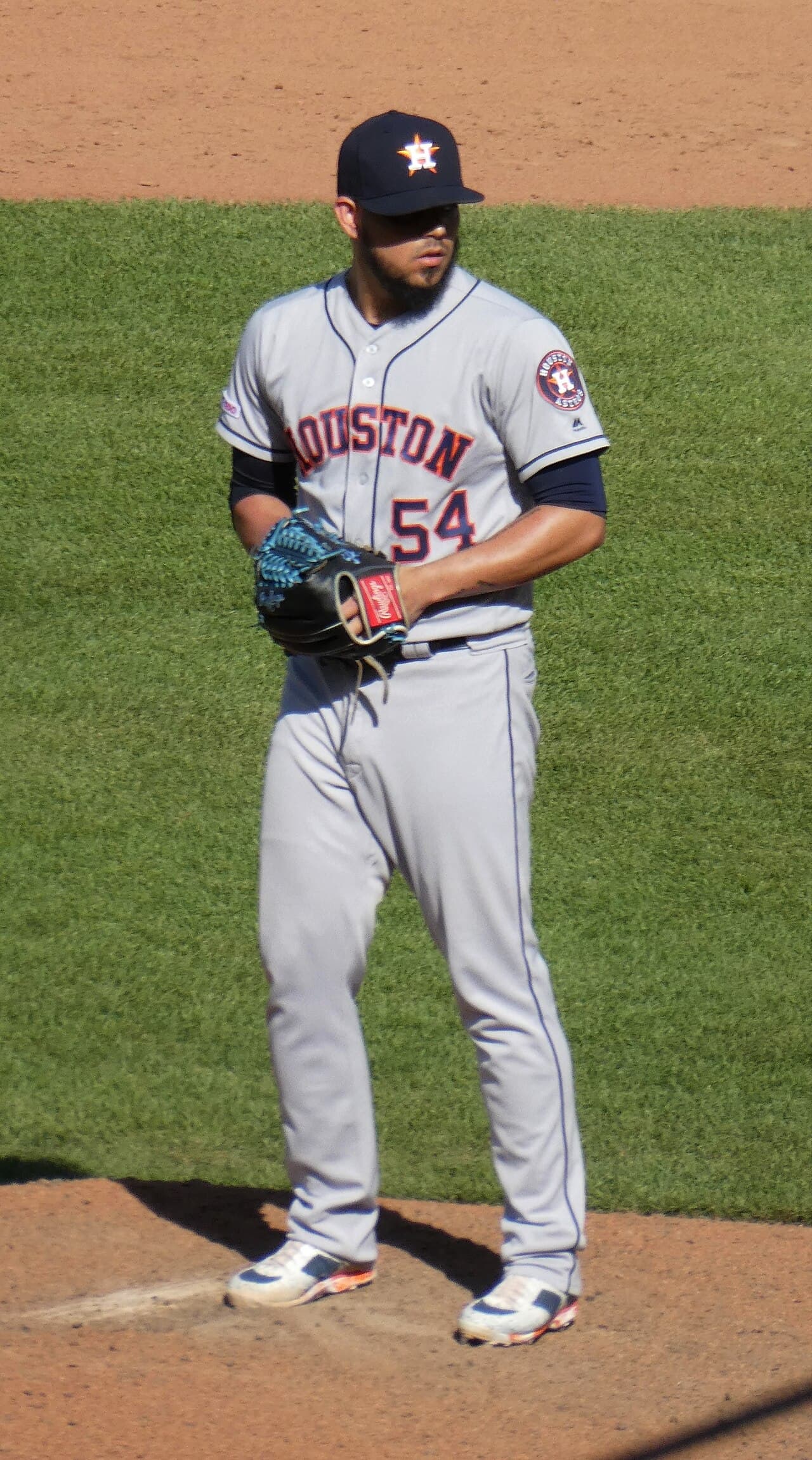
The cleanest development is in Houston. Josh Hader was activated and wasted no time reasserting himself, reclaiming the ninth-inning role immediately upon his return and converting his first save back in a high-scoring win over the Pirates. There is no ambiguity here: Hader is one of the premier closers in the game, and his return restores a locked-in, every-save-chance role that anyone who stashed him during his absence can now deploy with full confidence.
The fantasy lesson is the one that repeats every season. Elite closers who hit the shelf rarely lose their jobs for good, and the managers who hold or speculatively add them during an absence are rewarded when they walk straight back into the role. If you grabbed Hader's fill-in during his time out, that pitcher's value just evaporated, and the roster spot is better spent elsewhere.
The Athletics committee remains a guessing game
The opposite situation is playing out in Oakland's bullpen, where the ninth inning has been a season-long committee. More than two months into the campaign, the Athletics have spread their roughly two dozen saves across eight different pitchers, with no single arm seizing the role. Hogan Harris leads the group in saves, while Elvis Alvarado has drawn recent praise from the manager and appears to be the preferred option at the moment.
For fantasy, a committee like this is a low-confidence, high-effort source of saves. The manager who guesses right on the hot hand can bank a few cheap saves, but the role can flip on a single rough outing. The play is to chase the arm trending up, currently Alvarado, while accepting that the situation could change again. This is a streaming spot, not a rosterable anchor, and it should be treated as the lowest-priority saves source on a competitive roster.
The stable middle: Arizona's Sewald
Not every ninth inning is chaos. Arizona's bullpen has been a model of stability, with veteran Paul Sewald handling the role and commanding a save share north of 90 percent for the Diamondbacks while ranking among the league leaders in total saves. Sewald is the kind of unglamorous, reliable closer who quietly returns value all season, and he is exactly the profile a saves-needy manager should prioritize over the committee lottery tickets.
The broader market also features a class of setup men whose underlying metrics suggest they could inherit ninth-inning work as the season goes. Names like Bryan Abreu, Jason Adam, and Justin Sterner have been flagged as high-leverage arms who could close if their teams shuffle roles or sell at the deadline. Speculating on the right setup man before he gets the job is the cheapest way to acquire saves, and it is where forward-looking managers should be spending their bench spots.
The Verdexed model take
Verdexed's relief model values two things above all: the certainty of a pitcher's hold on the ninth inning and the volume of save chances his team generates. By that measure, Hader and Sewald sit at the top of the rosterable tier, because each owns his role outright on a club that produces regular close leads. The Athletics committee sits at the bottom, because no pitcher controls the role and the win total limits the supply of save chances in the first place.
The model's most useful output for saves is its setup-man projection, which estimates the probability that a current eighth-inning arm inherits the ninth. That probability spikes around the deadline, when contenders add relievers and sellers trade their closers, which is why the next six weeks are the prime window to speculate. A manager who acquires the right successor before a closer is traded captures the saves at no cost.
The handcuff strategy for saves
The most underused tool in chasing saves is the handcuff, and the current landscape is a reminder of why. Hader's return is a textbook case: managers who handcuffed his role during his absence held the saves through the transition, while those who chased the fill-in on the wire were left holding a worthless arm the moment Hader walked back in. The lesson scales across the league. On any team with an established but injury-prone or trade-candidate closer, owning the likeliest successor is cheap insurance that pays off precisely when saves are hardest to find.
The strategy sharpens as the deadline approaches. Sellers will trade closers, contenders will reshuffle bullpens, and every one of those moves opens a ninth inning for whoever is next in line. The managers who win the saves category are rarely the ones who paid up for elite closers on draft day; more often they are the ones who correctly speculated on the next man up a week before he got the job. In a category this volatile, anticipation beats reaction every time.
What to do in your league
Deploy Hader with full confidence and drop whoever covered for him. Roster Sewald as a steady, undervalued saves source. Treat the Athletics as a stream-the-hot-hand situation and nothing more, favoring Alvarado while he holds the manager's trust. And spend a bench spot or two on the setup men most likely to inherit a ninth inning, because the deadline is about to turn several of them into closers overnight.
The deadline is the key catalyst here, and it ties the saves chase to the broader trade market: every closer who gets dealt opens a job behind him, and every contender who adds a reliever can scramble an existing role. Watch the wire daily as late July approaches, because the saves map is about to be redrawn, and the managers who move first will own the new ninth innings before the rest of the league reacts.