The 2026 NHL Trade Block Heats Up: Big Names Swirl Ahead of a Draft-Week Frenzy
By Verdexed NHL Desk
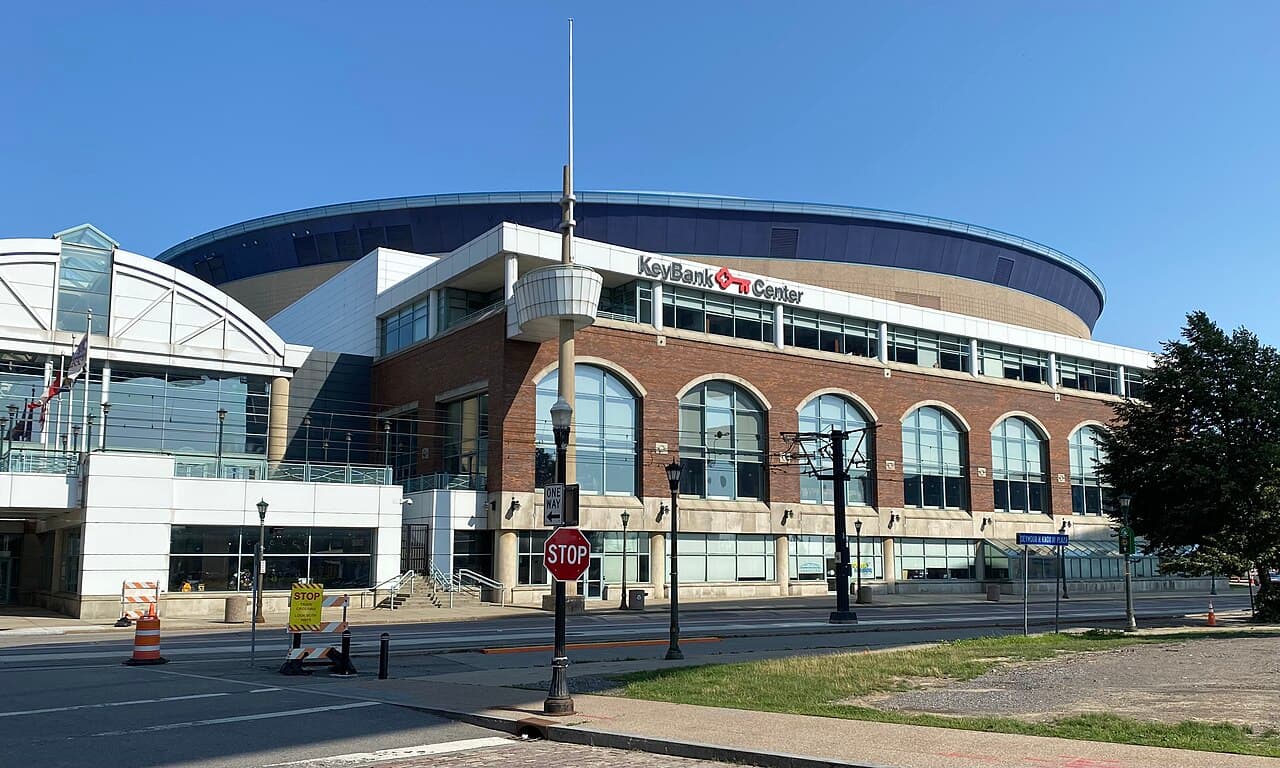
The 2026 NHL offseason is shaping up to be defined by the trade market rather than free agency, and the rumor mill is already churning ahead of draft weekend in Buffalo. Because this summer's unrestricted free-agent class is widely regarded as one of the weakest in years, teams looking to improve are turning to trades to do it, and that dynamic has pushed an unusual number of recognizable names into the conversation. For fantasy and keeper-league managers, a trade-driven summer means more players changing situations, and changing situations are where fantasy value is won and lost.
A trade market, not a free-agent market
The logic is straightforward. When the players available to simply sign are underwhelming, the only way to acquire impact talent is to trade for it, which means more star-level names get floated and more deals get done. League insiders have suggested this could be a busier-than-usual summer for significant trades, and the natural accelerant is the draft, where teams gather in one place and the combination of picks and roster players makes deals easier to construct.
That backdrop has produced a trade block big board featuring some genuinely notable names. It is important to separate confirmed trade requests from teams merely listening, because the two are very different, but the breadth of the speculation tells you this is a market primed for movement.
The confirmed request: Dylan Larkin
The clearest situation is in Detroit. Captain Dylan Larkin has requested a trade, putting one of the league's more productive two-way centers squarely on the market. Larkin has been a consistent 30-goal threat for years, and a player of that caliber requesting a move is the kind of domino that can reshape several rosters at once. Any contender adding a center with his scoring pedigree would see a real fantasy bump for Larkin if he lands in a strong offensive role, and his situation is the most actionable of the bunch precisely because the request is on the record.
The names being floated
Beyond Larkin, several stars have appeared on trade-block lists, though in most cases these reflect speculation and teams listening rather than formal requests. Toronto captain Auston Matthews, New Jersey center Nico Hischier, and defenseman Quinn Hughes are among the marquee names that have surfaced in offseason chatter. The appearance of players of that stature on any big board underscores how active the rumor environment is, but managers should treat these as monitor-and-wait situations rather than done deals. A name on a trade-block column is a long way from a player in a new uniform.
The more grounded buzz involves teams with clear needs and assets to move. Clubs short on cap space, teams in need of goaltending, and rebuilders looking to cash in veterans for futures all have logical reasons to engage, and the draft is the venue where those motivations tend to collide into actual trades.
The fantasy angle
For fantasy hockey, the key principle is that a player's value is inseparable from his situation. A scorer moving from a middling offense to a powerhouse, or from a checking role to a top-line job with power-play time, can see his projection jump meaningfully, while the reverse move can quietly sink a roster asset. Larkin is the prime example: his fantasy outlook hinges almost entirely on where he lands and what role he plays there.
The broader takeaway for keeper and dynasty managers is to stay liquid and attentive during a trade-heavy summer. When more stars move than usual, more buy-low and sell-high windows open, and the managers who react quickly to a player landing in a better or worse spot will gain an edge over those who wait for the dust to settle.
Reading the rumor mill responsibly
A trade-heavy summer also produces a flood of speculation, and not all of it is created equal. The discipline for fantasy managers is to grade the sourcing and the situation rather than reacting to every headline. A confirmed trade request from a player carries far more weight than a columnist listing a star on a hypothetical big board, and a team with an obvious need and the assets to fill it is more likely to act than one merely fielding calls. Treating those tiers differently is the difference between getting ahead of a move and chasing noise.
The payoff for patience and judgment is real. Managers who wait for confirmation on the speculative names while acting decisively on the concrete ones avoid the twin mistakes of overreacting to rumors and missing genuine windows. In a summer this active, both errors will be common across fantasy leagues, and steering clear of them is its own edge.
The Verdexed model take
Verdexed's model evaluates skaters on a blend of individual production and situation, including linemate quality, deployment, and power-play role, which is why it treats trade season as one of the most important stretches for re-rating players. The model's view is that the fantasy impact of a trade often exceeds what raw name value suggests, because role and usage frequently change more than talent does. A star who moves into a bigger role can outproduce his prior self even without improving as a player.
The actionable read: prioritize the confirmed situations like Larkin over the speculative ones, and be ready to move quickly when a deal reshapes a player's deployment. In a summer the model expects to be trade-driven, the managers who price in situation changes fastest will come out ahead.
What's next
Draft weekend in Buffalo is the catalyst to watch, with the late June dates serving as the most likely flashpoint for significant trades, followed by the opening of free agency in early July. Until then, the smart approach is to track which situations are real and which are noise, keep an eye on Larkin's resolution as the market's bellwether, and prepare to act the moment a star changes addresses. In a thin free-agent summer, the trade market is where the offseason will be decided.