Tucker Kraft Is 'Right on Schedule' From ACL Surgery: A Packers TE Climbing Draft Boards
By Verdexed Fantasy Desk
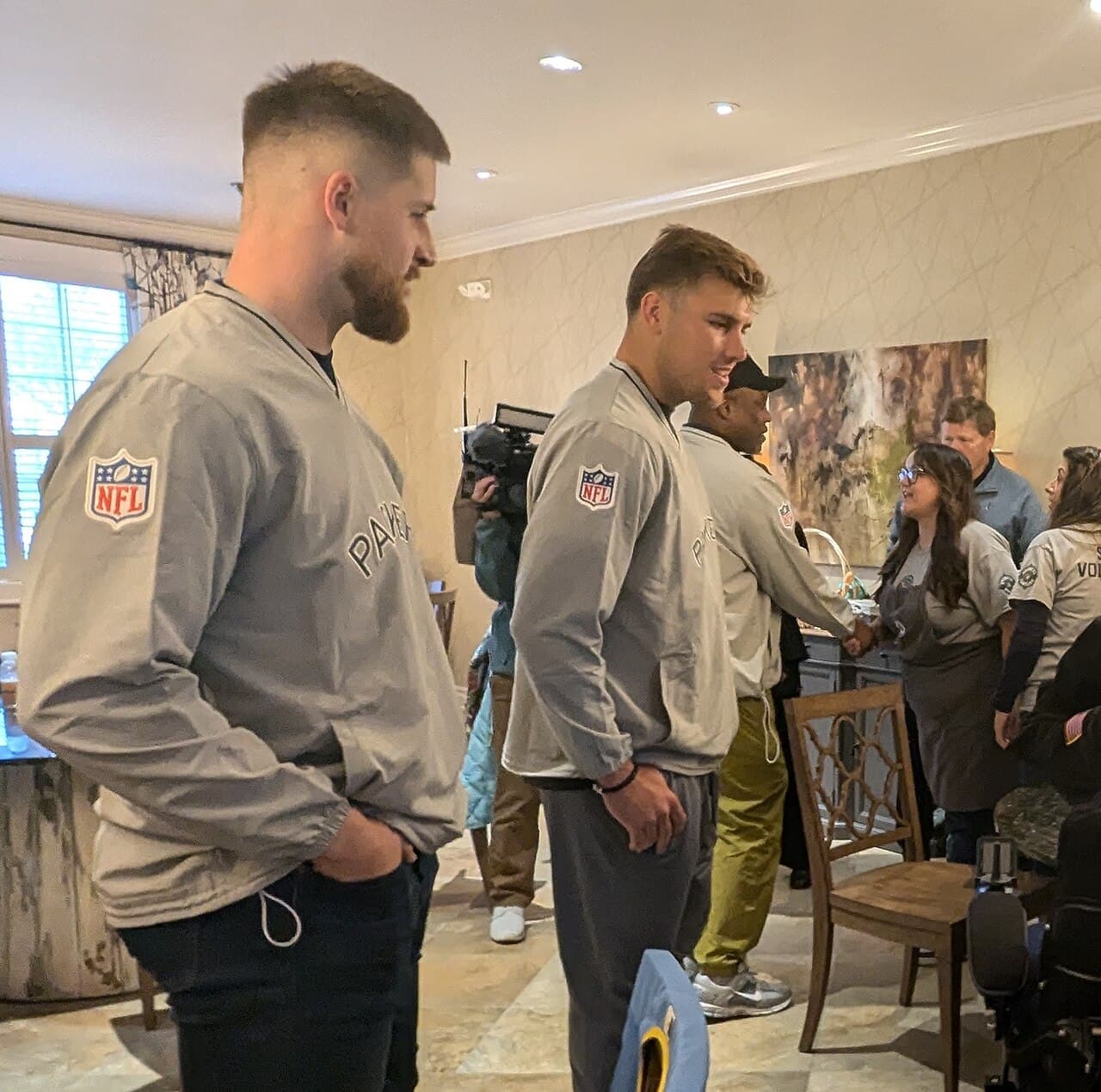
Tucker Kraft is on track to return from a torn ACL by the start of training camp, with Green Bay Packers head coach Matt LaFleur describing the tight end as right on schedule in his recovery. For fantasy managers, the update turns a player whose 2025 ended early into a draft-board riser, because a healthy Kraft steps back into a Packers passing game that has thinned out around him and could feed him a larger share of targets than ever.
Kraft tore his right ACL in Week 9 last season, cutting short a campaign in which he had emerged as one of the more productive tight ends in football before the injury. The Packers expect him back in the starting lineup early in the regular season, and the front office indicated this spring that he is ahead of schedule. The reasonable projection is that Kraft is on the practice field during camp and ready for, or close to, the season opener.
Why the receiving room matters
The most important development for Kraft's fantasy value is what has happened around him. Green Bay's receiver group has thinned, with veteran pieces departing the room, which concentrates the target competition and clears a path for the tight end to absorb a meaningful workload. Kraft now profiles as one of quarterback Jordan Love's top pass-catching options alongside the team's returning receivers, and that ascent up the pecking order is the engine of his fantasy case.
Tight end is a position where target share is everything, and the managers who win the position are the ones who identify the players climbing the hierarchy before the production confirms it. Kraft fits that profile: a talented, ascending tight end on a competent offense with fewer mouths to feed in the passing game. When opportunity and ability line up like that, the points tend to follow.
The pre-injury profile
Kraft's value is not speculative. Before the ACL tear, he had grown into Green Bay's leading receiver, posting a productive line on a healthy target count in the games he played, and he ranked among the most dangerous tight ends in the league in yards after the catch. That after-the-catch ability is the trait that travels: a tight end who creates yards on his own does not depend on a high air-yards role to produce, which gives him a sturdy floor even in a run-leaning offense.
The combination of proven production, yards-after-catch skill, and an expanded role is what separates Kraft from the dart-throw tight ends who populate the back end of fantasy drafts. He is not a hope-and-pray sleeper. He is an established producer returning to a better target situation, and that is a meaningfully different bet.
The recovery caveat
The one variable to respect is the ramp from an ACL tear. Even players who return on schedule sometimes take time to regain their explosiveness in the early weeks of the season, and a tight end's blocking demands and route burst both lean on knee health. Managers should bake in the possibility of a slow start, with Kraft's production building as the knee rounds back into form rather than spiking from Week 1.
That caveat is a reason to value the cost, not to avoid the player. If Kraft's draft price reflects the injury risk while his role reflects an expanded target share, the gap is the value. The managers who can absorb a potentially slow first few weeks in exchange for a high-upside second half are buying the right end of that trade, especially in formats where the tight end position is a wasteland after the top tier.
The Verdexed model take
The Verdexed model reads Kraft as a positive-trajectory tight end whose projection is driven by the collision of an expanded role and a proven receiving profile. The thinned receiver room raises his expected target share, and his pre-injury yards-after-catch production supports an efficient points-per-target forecast. The model applies a recovery discount to the early-season weeks to account for the ACL ramp, then projects his value to climb as the knee strengthens, producing a back-loaded but appealing season-long outlook.
The broader read is that tight end scarcity amplifies Kraft's value. Because the position drops off sharply after its elite names, a player with a credible path to a featured role in a functional passing game is worth more than his raw projection suggests in the context of a fantasy roster. The model treats him as a target-rich tight end whose floor is protected by his after-catch ability and whose ceiling is unlocked by the vacated targets around him.
What to do in your draft
Target Kraft as a value at the tight end position, particularly if his cost still carries an injury discount while his role points up. The reports that he is right on schedule and tracking toward a training-camp return remove much of the timeline risk, and the thinned receiving room is the kind of situational tailwind that turns a good tight end into a featured one.
The discipline is to monitor camp for confirmation that the knee is fully cleared and that the expected role materializes, then draft accordingly. In a position defined by scarcity, an ascending tight end returning to a better target situation is exactly the kind of player who wins managers the position without the premium cost of the elite names. Kraft is climbing boards for good reason, and the value is in buying before the climb finishes.