Steelers Backfield Is a Two-Man Race: Jaylen Warren and Rico Dowdle Split the 2026 Fantasy Pie
By Verdexed NFL Desk
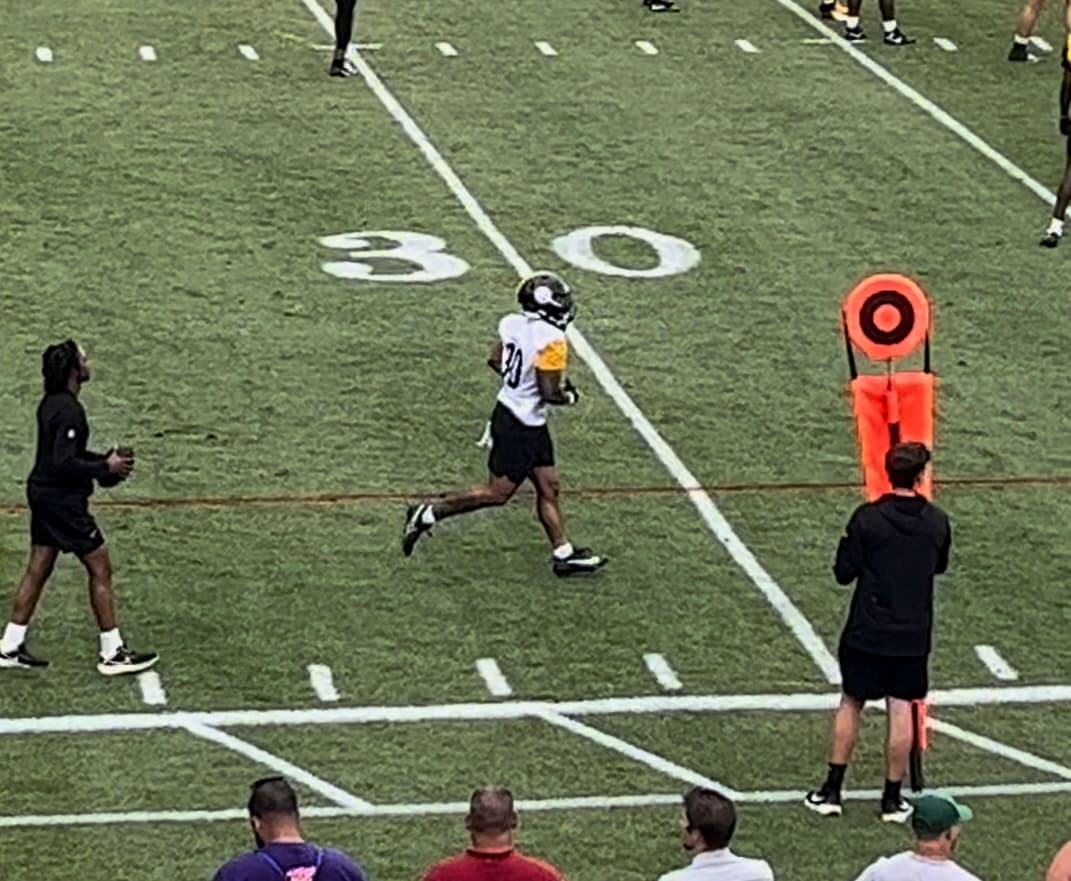
The Pittsburgh backfield is one of the trickier fantasy puzzles of the 2026 offseason, and minicamp has not made it any cleaner. New head coach Mike McCarthy, reunited with quarterback Aaron Rodgers, has signaled that he wants to keep two fresh backs on the field at all times, and the early indications point to a near-even split between Jaylen Warren and free-agent addition Rico Dowdle. For fantasy managers, a committee like this is the kind of situation that can sink a draft pick if you misread it, and reward you handsomely if you nail which back owns which role.
The two backs
Jaylen Warren is the incumbent and the more proven receiver. Last season he handled north of 200 carries while adding nearly 40 receptions, the kind of dual-threat usage that travels well in any scoring format. In a McCarthy offense that historically funnels targets to running backs, and with Rodgers, who has long leaned on his backs in the passing game, under center, Warren's pass-catching profile is the most valuable single trait in this backfield.
Rico Dowdle arrives off back-to-back productive seasons on the ground, including a 1,000-plus-yard campaign with the Panthers and a similar workload the year before under McCarthy in Dallas. That history matters: Dowdle has thrived in McCarthy's scheme before, which is exactly why Pittsburgh brought him in and exactly why he is a credible threat to command early-down and goal-line work. Behind the two veterans, second-year back Kaleb Johnson is fighting for snaps and is a dynasty-only hold until he forces his way into the picture.
How the split likely shakes out
The coaching staff's public framing has been some version of two fresh backs and an even division of labor, which is fantasy code for a frustrating committee. Reading between the lines, the most probable outcome is Warren handling the bulk of passing-down work and a meaningful share of carries, with Dowdle carving out an early-down and short-yardage role that gives him standalone value but caps his ceiling.
That split makes Warren the slightly more attractive fantasy asset in points-per-reception formats, where his receiving floor is the tiebreaker, while Dowdle carries appeal in standard scoring and as a touchdown-dependent flex if he wins the goal-line work. The danger for both is obvious: a true 50-50 timeshare can leave each back as a low-end flex rather than a reliable starter, with weekly value swinging on game script and red-zone luck.
Fantasy fallout
The practical advice is to draft for role, not name. In PPR leagues, prioritize Warren and treat his receiving usage as the safer bet to produce week to week. In standard formats, the gap narrows, and Dowdle's projected early-down and goal-line role makes him a reasonable value if he slides in drafts because of committee fears.
The broader lesson is to avoid overpaying for either back at an ADP that assumes a clean lead role, because the staff has telegraphed that no such role exists right now. The value play is to let the market's committee anxiety push both backs down your board, then scoop whichever one falls to a price that bakes in the timeshare. Kaleb Johnson, meanwhile, is a late-round dart only in deep dynasty leagues, with the caveat that one injury ahead of him on the depth chart would instantly change his outlook.
The Rodgers factor
The quarterback context tilts this backfield toward the passing game in a way that matters for both backs. Aaron Rodgers has long been one of the league's more willing checkdown artists, comfortable taking the easy completion to a back when coverage dictates, and McCarthy's offense has historically generated meaningful running-back target volume. That environment is a tailwind for Warren specifically, because his hands and route-running make him the natural beneficiary of a scheme that throws to its backs.
The flip side is that a pass-leaning attack can suppress the raw carry totals that fuel a touchdown-dependent back like Dowdle. If Pittsburgh throws to its running backs at a high rate, the early-down rushing pie shrinks slightly, which raises the stakes on whether Dowdle locks down the goal-line work. The receiving floor is the safer fantasy bet in this offense, and that points back to Warren as the more dependable weekly asset.
The Verdexed model take
Verdexed's model is built to dislike ambiguity in backfields, and it handles a committee like this by distributing projected touches rather than crowning a lead back the market has not earned. The model's read leans on opportunity share: because Warren's pass-game usage is the most secure piece of the puzzle, his projection carries the higher floor, while Dowdle's outlook is more touchdown-dependent and therefore more volatile week to week.
The edge for fantasy managers is in the volatility itself. A committee back whose value hinges on touchdowns is a sell-high candidate after a multi-score week and a buy-low target after a quiet one, because the underlying split has not changed even when the box score swings. Managers who treat both Steelers backs as range-bound assets, rather than overreacting to any single performance, will navigate this situation better than those chasing the hot hand.
What's next
The real clarity comes in training camp and the preseason, when snap distributions and the all-important goal-line and two-minute reps start to reveal who the staff actually trusts. Watch which back is on the field on third down and inside the five-yard line, because those two contexts determine fantasy value more than raw carry counts. Until then, treat Pittsburgh's backfield as a true two-man race, price both backs accordingly, and let someone else in your league pay full freight for a lead role that does not exist yet.