Quinn Hughes and the Wild Are Arguing About Term, Not Dollars
By Verdexed NHL Desk
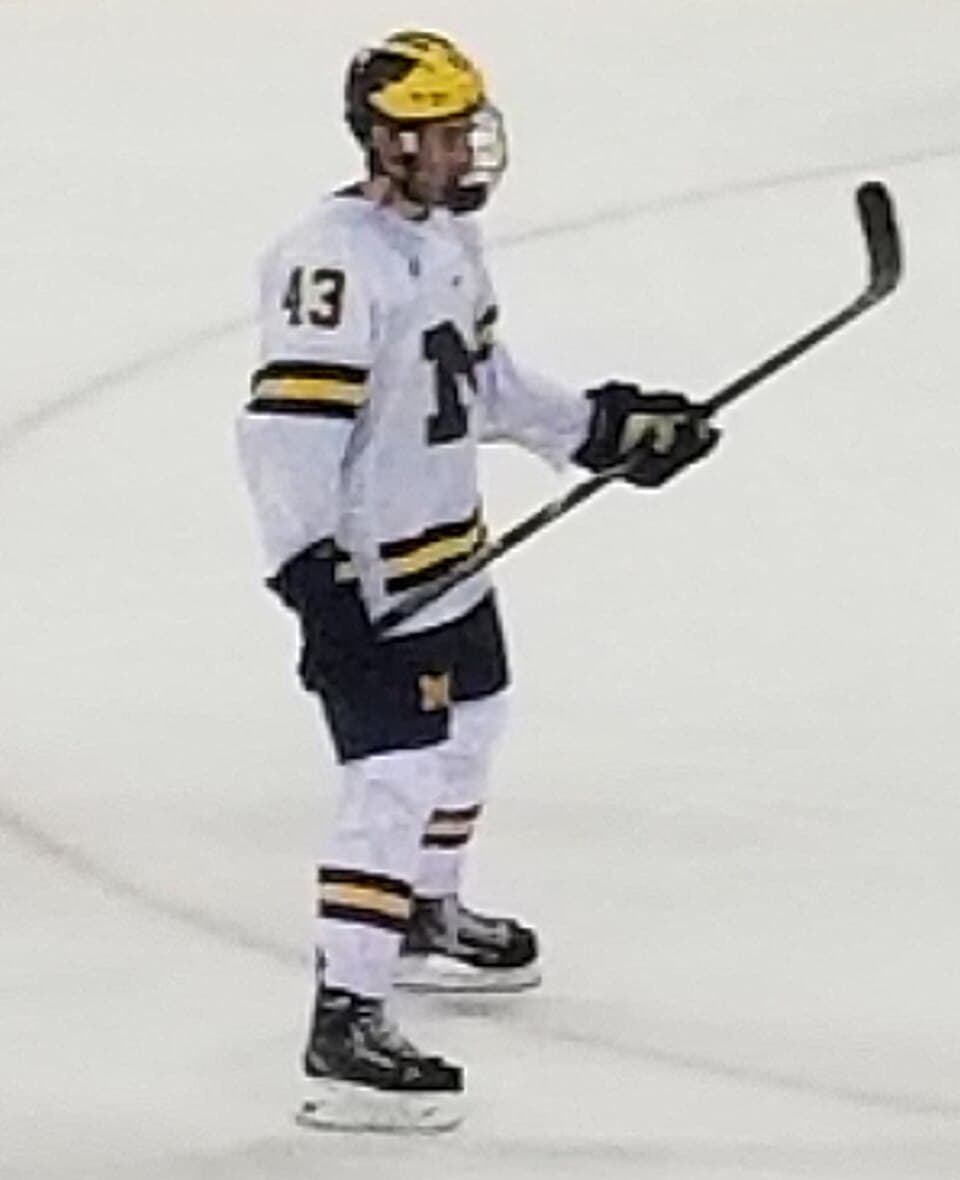
Quinn Hughes became eligible to sign an extension with the Minnesota Wild on July 1, and more than a month later there is still no deal. General manager Bill Guerin has repeatedly described re-signing the defenseman as his top priority, and Wild ownership has framed the negotiation as a matter of when rather than if, but the two sides have not closed it.
Guerin traveled to Michigan to meet with Hughes as talks continued. That is the kind of step a general manager takes when a negotiation needs momentum rather than when it is about to be announced.
The sticking point is length
Reporting has consistently pointed to term rather than salary as the obstacle. Minnesota would prefer a long deal, in the five-year-and-up range, which is the standard team preference for a player entering his prime. Hughes is reportedly more interested in a shorter contract that would return him to free agency sooner.
That is a rational position for a player in a rising cap environment. A defenseman who signs a three-year deal now reaches unrestricted free agency again with the cap substantially higher than it is today, and the percentage-of-cap math on a shorter contract almost always favors the player when the cap is climbing.
There is also a calendar element. The new collective bargaining agreement changes the maximum contract term after September 16, capping extensions at seven years. That creates a soft deadline for any deal structured at the longest available length, and it gives Minnesota a reason to push for resolution rather than let the negotiation drift into the season.
Why this got delayed
Guerin has spent most of the summer on a different problem. Detroit's handling of Dylan Larkin's trade request has occupied a significant share of the league's front-office attention, and Minnesota has been among the teams watching that situation closely. Reporting has suggested the Hughes negotiation took a back seat as a result.
That is a scheduling explanation rather than a substantive one, and it is worth separating the two. A negotiation that is delayed because the general manager is working another file is a very different situation from one that is delayed because the sides cannot agree. The available reporting points to the former, with the term question as a genuine but solvable difference.
Hughes has said publicly that he is open to re-signing and would prefer to have a deal done early rather than let it hang over the season. Players who are planning to test the market rarely say that.
The fantasy read
Hughes is a top-tier fantasy defenseman regardless of contract status, and nothing about this negotiation changes his 2026-27 projection. He will play top-pair minutes and quarterback the power play in Minnesota this season whether he signs in August or in January.
Where it matters is dynasty and keeper leagues. A defenseman entering the final year of a contract carries situational risk that a signed defenseman does not, and managers in long-term formats should account for the possibility that Hughes plays elsewhere in 2027-28. That risk is not large, given the public statements from both sides, but it is not zero.
The other fantasy angle is on the Wild's supporting cast. A power play run by an elite puck-moving defenseman produces fantasy value for the forwards on that unit, and if Hughes were to leave, that value would evaporate. For managers considering long-term investments in Minnesota's forward group, the Hughes contract is a background variable worth tracking.
Betting angle
Minnesota's win total for the coming season assumes Hughes is on the roster, which he will be. The contract has no bearing on this year's projection.
The market that responds is next summer's free agency futures, and there is a broader principle at work. When a star player's extension talks drag into the season, the probability of him reaching the open market rises meaningfully, because in-season negotiations are harder to conduct and both sides tend to defer.
If September 16 passes without a deal, that is the point at which the market should start pricing real free agency risk. Before then, the base case remains an extension.
The Verdexed model take
Our model rates Hughes among the most valuable defensemen in the league by on-ice impact, and Minnesota's projected results are meaningfully worse in scenarios where he is not on the roster beyond this season. That is the reason the team's public posture has been as clear as it has: the alternative is not close.
The model's expected outcome is an extension signed before the season begins, with the term landing between what the two sides have publicly preferred. Negotiations that hinge on length rather than money resolve at a higher rate and faster than negotiations that hinge on dollars, because there is a continuum to split rather than a valuation gap to bridge.
For Minnesota's futures pricing, the model sees the current market as slightly undervaluing a roster that returns its best defenseman with a settled situation. If the extension is announced before camp, that is a small positive catalyst for the Wild's playoff odds that the market will likely underreact to.
What's next
September 16 is the date to circle, because it changes the structure of what Minnesota can offer. A deal announced before then at the maximum available term would signal that the team won the length argument. A deal in the three-to-five year range would signal that Hughes did.
A deal that does not happen at all before camp opens is the outcome that should concern Wild fans and interest anyone holding a position in next summer's free agency markets.