Jonathan Taylor Enters a Contract Year Saying He Wants to Be a Colt for Life: A Motivated RB1 Bet
By Verdexed Fantasy Desk
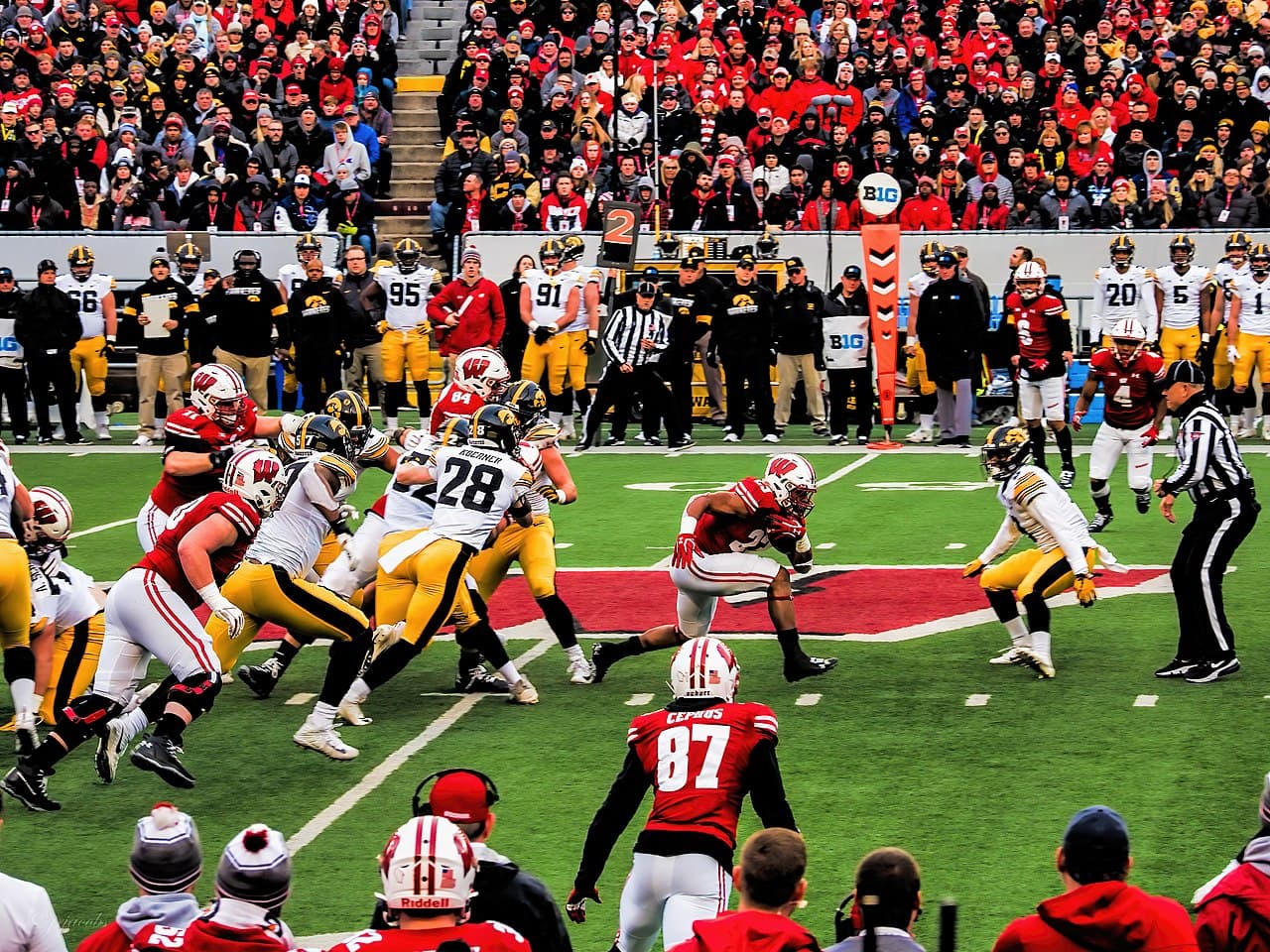
Jonathan Taylor used the Colts' mandatory minicamp to send a clear message: he wants a new deal, and he wants to finish his career in Indianapolis. Entering the final season of his current contract, the All-Pro back said he hopes momentum builds toward an extension while making clear his focus is on football. For fantasy managers, the read is simple and bullish: a workhorse running back in a contract year, motivated, healthy, and attached to a run-first offense, is one of the safer high-end investments on the board.
The backdrop is notably calmer than last time. Taylor's 2023 negotiations turned contentious, complete with a trade request and public friction. This version is the opposite, a player publicly committing to the franchise and expressing optimism about getting a deal done. That tonal shift matters: a holdout risk is one of the few things that can dent a top running back's fantasy outlook, and Taylor is actively defusing it.
The market is moving his way
Taylor currently ranks around seventh in average annual value among running backs at roughly $14 million per year, a number that looks light given his production and the direction of the position's market. The broader running back market has thawed, with backs like Saquon Barkley and De'Von Achane signing deals well north of his current figure. That context cuts two ways for fantasy: it makes an extension more likely, and it underscores how valuable Indianapolis views the player who anchors its offense.
The contract year itself is a fantasy feature. Motivated workhorses in walk years have a long history of leaning into heavy workloads, and Taylor's game has always been built on volume. A back chasing a generational payday, in an offense designed to run, is the kind of usage profile that produces RB1 seasons.
The usage case
Taylor's value has never depended on efficiency spikes or touchdown luck; it is built on touches. He is the centerpiece of an offense that wants to establish the run, and that role concentrates carries, goal-line work, and a steady receiving share into one player. In fantasy, bell-cow volume is the single most predictive input for running back scoring, and Taylor remains one of the league's clearest examples of it.
The health picture is the variable that always matters for a high-volume back, and it is the one place to keep diligence. But assuming a normal camp, Taylor profiles as a player who will see the kind of touch count that supports a top-tier weekly floor. There is no committee threat looming over his role, which is increasingly rare at the position.
The receiving share is the underrated piece. Taylor's value spikes in formats that reward receptions, and a back who stays on the field for passing downs carries a higher floor in every scoring system. An offense that trusts him on third down protects his fantasy value even on weeks when game script turns pass-heavy, which is exactly the safety net that separates a bankable RB1 from a touchdown-dependent flex. The more Indianapolis leans on him as a true every-down back, the tighter his weekly range becomes.
Fantasy fallout
Taylor belongs in the early-round running back conversation, the tier of backs you can build a roster around. His combination of guaranteed volume, goal-line equity, and a passing-down role gives him both a high floor and a real ceiling, and the contract-year motivation only sharpens the case. Drafters chasing safety at a volatile position will find few cleaner options.
For the broader Colts picture, Taylor's dominance of the backfield touches suppresses the standalone value of any handcuff, which is itself useful information: there is no ambiguity to navigate here. You are drafting the lead back in a run-first offense, full stop, and the only contingency play is the pure handcuff in case of injury.
The Verdexed model take
Verdexed's model anchors running back projections to expected touch volume and goal-line opportunity, and on both inputs Taylor grades near the top of the position. The model projects him for a heavy carry share with meaningful receiving usage, producing an RB1 median outcome and a tighter range than most backs because his role faces no credible internal competition. The contract situation registers as a slight positive, reducing holdout risk relative to the 2023 standoff.
The model's edge read is that Taylor's stability is undervalued in a position group full of committees and timeshares. Managers chasing upside sometimes pass on the boring, bankable workhorse, and that creates value for drafters who prioritize a locked-in role. Taylor is precisely that locked-in role.
What to do in your league
Draft Taylor as a confident early-round running back and do not let the contract storyline create doubt; if anything, his public commitment to the team lowers the one risk that could have mattered. Pair him with his direct backup late as cheap insurance, since his workload is the entire fantasy case and an injury would be the only thing to derail it.
In dynasty, the calculus is more nuanced given the position's aging curve, but a healthy back about to secure a long-term deal with his preferred franchise still carries strong near-term value. For win-now dynasty rosters, he is a plug-and-play producer; for rebuilds, he is a tradeable asset whose value should hold through an extension.
What's next
The signpost to watch is whether Indianapolis and Taylor convert the minicamp optimism into an actual extension before the season. A signed deal would remove any residual holdout chatter entirely and cement his full-season availability. Even absent a new contract, a motivated workhorse in a walk year is exactly the kind of running back fantasy managers should want anchoring their lineups.