NBA Media Day Opens With LeBron in Philadelphia and Giannis in Miami
By Verdexed NBA Desk
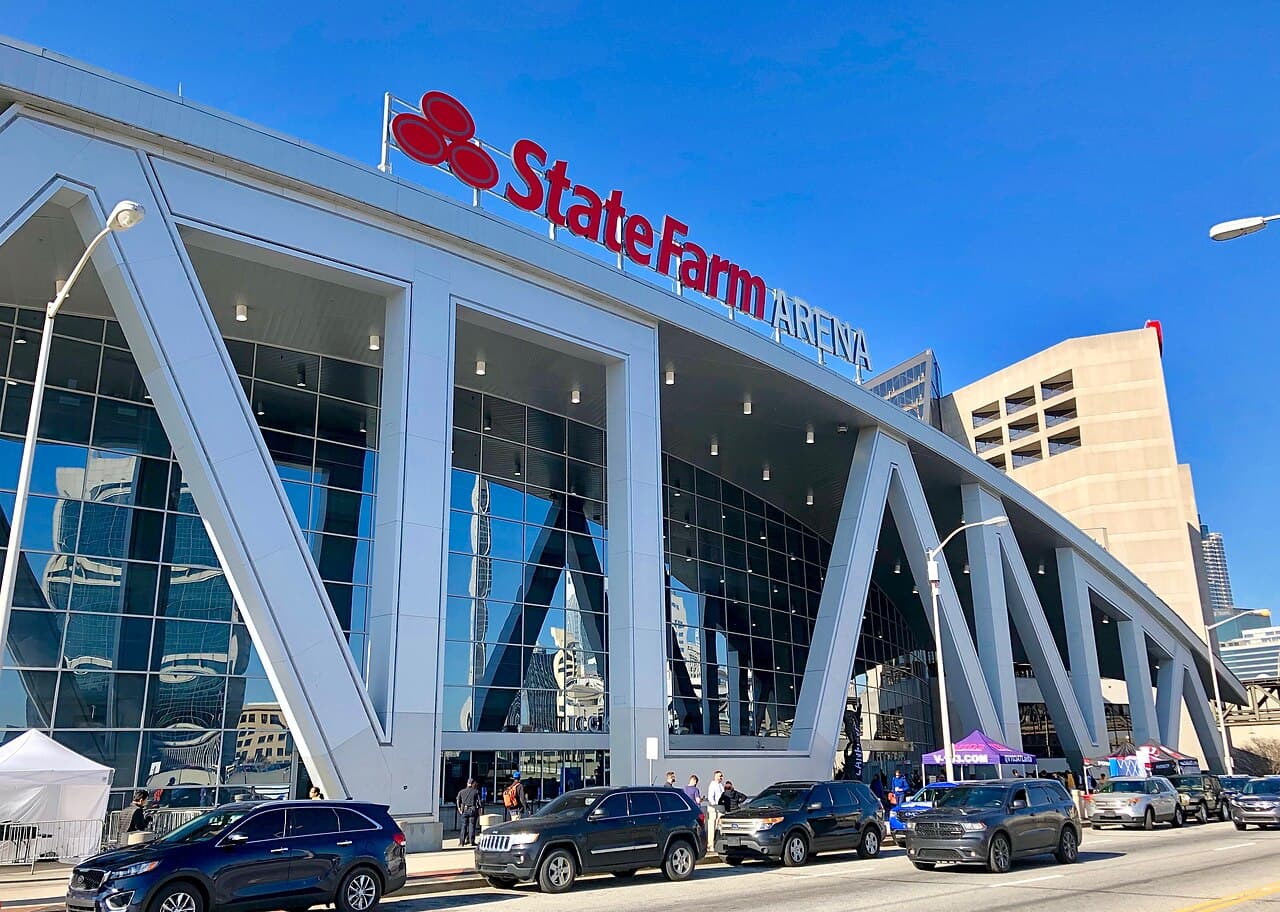
Twenty-eight of the 30 NBA teams hold media day Monday, with training camp practices beginning Tuesday. Houston and Dallas went early, on September 22 and 25 respectively, because both travel to Macao for the NBA China Games on October 9 and 11. Preseason games start October 3 and opening night is October 20, with Boston at Detroit in an afternoon window, Philadelphia at the Knicks, and Oklahoma City at San Antonio to follow.
Media day is normally a photo-op exercise. This year it functions as the first visual confirmation of the most disruptive offseason in recent memory. LeBron James will appear in a Philadelphia uniform. Giannis Antetokounmpo will discuss his new home in Miami. Kawhi Leonard will talk about being back in Toronto.
For fantasy basketball, that is not a set of storylines. It is a complete rewrite of the usage map.
Philadelphia is the biggest swing
The 76ers acquired Jaylen Brown from Boston in a deal sending Paul George and draft compensation the other way, then signed James. No roster in the league changed its ceiling more, and none created a thornier fantasy question.
Three high-usage players in one frontcourt-heavy structure is the kind of situation that produces one clear fantasy winner and two disappointments relative to draft cost. The historical pattern with James is that his own counting stats hold up better than his teammates' do, because his assist production scales with the quality of the finishers around him while his scoring stays roughly constant.
The draft-room instruction is to be skeptical of the second and third options on this roster at their current cost, and to be less skeptical of James than his age suggests. Brown in particular carries real risk of an efficiency-neutral, volume-down season.
Miami traded away its depth
Pat Riley finally landed another superstar, acquiring Antetokounmpo from Milwaukee. The cost was most of the supporting core, leaving Bam Adebayo and Andrew Wiggins as the primary holdovers, with shooting added around the edges in the form of Klay Thompson and Tim Hardaway Jr.
That construction is unusually good for fantasy purposes. A high-usage forward surrounded by spacing and one other legitimate interior player is exactly the environment in which counting stats inflate. Antetokounmpo's usage will not go down in Miami, and his assist rate has historical room to rise when the floor is spaced.
Adebayo is the interesting name. Playing next to a player who commands the paint typically suppresses a big man's rebounding share and raises his efficiency. Expect his scoring rate to improve and his rebounding to decline, which in category leagues is close to a wash and in points leagues is a modest gain.
Thompson and Hardaway are streaming-level assets whose value depends entirely on three-point volume, which in this offense should be high.
Minnesota, Charlotte and the rest
The Timberwolves acquired LaMelo Ball from Charlotte in a four-team deal that sent Naz Reid and a substantial package of picks to the Hornets, and Ball subsequently signed a five-year extension worth a reported $112 million. He played 72 games last season, which is the single most important fact about his fantasy profile.
Ball alongside Anthony Edwards creates a genuine question about who initiates. Both are high-usage creators, and the fantasy resolution usually favors the player with the higher assist rate, which is Ball. Expect his scoring to dip slightly and his assists to hold.
The cleaner opportunity is in Charlotte. With Ball gone, Kon Knueppel and Brandon Miller inherit usage on a rebuilding roster with no competition for shots. That is the profile that produces fantasy value at a discount, because casual drafters avoid bad teams and bad teams distribute the most usage per dollar of draft capital.
The Verdexed model take
Toronto and the quieter moves
Kawhi Leonard is back in Toronto, which is the offseason's most fantasy-relevant move that nobody is drafting around. Leonard's career-long issue has never been production when active. It has been availability, and a team that knows exactly what it is getting will manage his minutes accordingly.
Draft him as a high-upside, low-games asset and plan for it rather than hope against it. In category leagues that is a defensible pick in the middle rounds. In points leagues with weekly lineups and no injured-list slots, it is a trap.
Golden State is the stability case. Stephen Curry remains, the system remains, and the fantasy profile remains what it has been. In a league that rewrote itself over the summer, a known quantity has more value than usual, because every projection around it carries an error band that Curry's does not.
The model's approach to a rewritten league is to trust usage projections over reputation, and the largest gaps between projected usage and current draft position sit in two places.
The first is Charlotte, where the model projects Miller and Knueppel meaningfully above their consensus positions purely because the departed usage has to land somewhere and there is nobody else to absorb it.
The second is Philadelphia, where the model projects at least one of the three primary options well below draft cost. The identity of that player is genuinely uncertain, which is itself the argument for avoiding all three near their current prices rather than trying to guess which one.
On the Miami side, the model treats Antetokounmpo as the safest elite pick in the class, because a change of team does not change a player whose production comes from usage and athleticism rather than from system fit.
What to do in your draft
Fade the Philadelphia logjam. Buy Charlotte's remaining usage late. Take Antetokounmpo without hesitation at his cost. Treat Ball as a sell relative to his Charlotte-era numbers and Edwards as a modest buy, because the presence of a second creator lowers the defensive attention Edwards has absorbed alone.
What's next
Media day quotes will produce the first coach statements about rotations and roles, and those statements are the most actionable information available before preseason games begin October 3. Watch specifically for how Philadelphia and Miami describe their starting units, because a starting-lineup announcement in late September is a better predictor of opening-night usage than any offseason projection.