Ronald Acuna Jr. Back on the IL With the Same Hamstring: A Recurrence That Demands Caution
By Verdexed MLB Desk
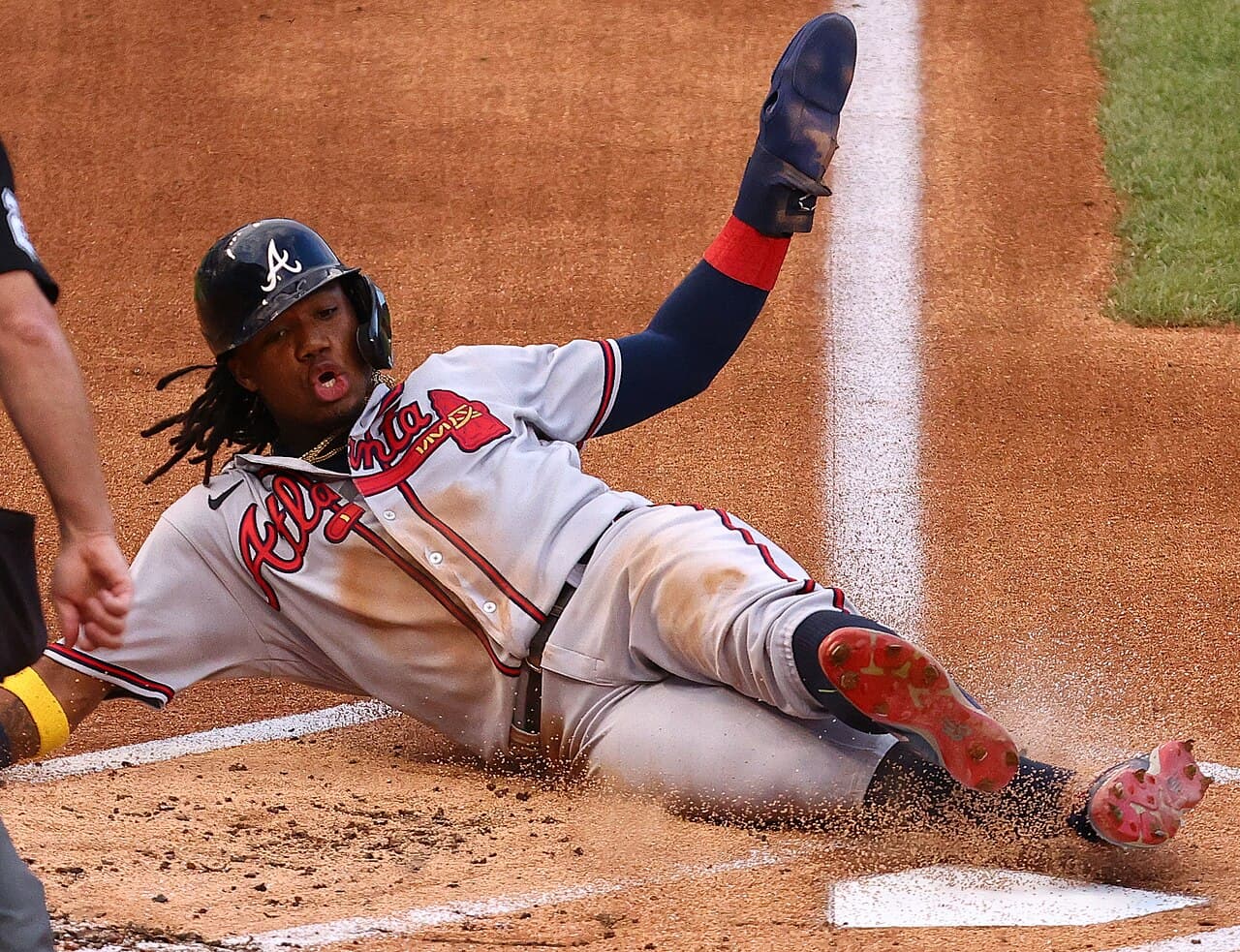
Ronald Acuna Jr. is on the injured list again, and the troubling part is that it is the same injury. The Braves placed their superstar outfielder on the 10-day IL with a Grade 1 strain of his left hamstring, the same leg that cost him time earlier in the season. He exited a game against the White Sox after pulling up while running out a grounder, the second time this year a routine ground ball has ended his day. For fantasy managers, a recurring soft-tissue injury in the legs of a player whose value is built partly on speed is a flashing yellow light.
The context makes it more concerning, not less. Acuna had appeared in only a handful of games since returning from a similar strain that sidelined him for roughly two weeks in May. A re-injury of the same hamstring so soon after returning suggests the original issue may not have fully healed, and recurrent hamstring strains have a frustrating tendency to cost a player not just the next stint but his aggressiveness on the bases for the rest of the season.
The diagnosis and the timeline
The team characterized it as a Grade 1 strain, the mildest classification, with the manager describing it as "not terrible, but enough" to require an IL stint. A Grade 1 strain in isolation is a short absence. The complication here is the pattern: this is the second stint on the same leg, and clubs tend to be more conservative on a recurrence to avoid a third, more serious episode. Managers should brace for the possibility that the Braves bring him back slowly and limit his running once he does return.
The Braves selected a replacement bat to fill the roster spot, but there is no replacing Acuna's ceiling. The lineup loses its catalyst, and the fantasy world loses one of its few true five-category contributors for at least the minimum and possibly longer if the recurrence prompts caution.
Fantasy fallout
Acuna is an unambiguous IL stash; no manager is dropping a top-tier talent over a Grade 1 strain. But the way you manage him changes. The stolen-base ceiling that anchors his fantasy profile is the most vulnerable category to a balky hamstring, and a player who returns reluctant to run is a meaningfully different asset than the one drafted in the first round. Plan your roster as if his steals total may come in light even after he is active.
The broader Braves lineup absorbs a real hit. Acuna's on-base ability and table-setting drive the offense, and his absence trims the run-creation upside of the hitters behind him. In deep leagues, the replacement outfielder taking his at-bats is a marginal stream, but as with most star injuries, the better play is to look outside Atlanta to backfill the categories Acuna provides.
The betting angle
An Atlanta lineup without Acuna is a less explosive lineup, and that filters into team totals and run-line markets. The model nudges Braves team totals down modestly against quality arms while he is out, reflecting both the lost production and the diminished base-stealing pressure that Acuna puts on opposing batteries. The effect is smaller than losing a slugger outright, because the replacement still fills a roster spot, but it is real at the margins.
The recurrence also matters for season-long markets. A player battling a chronic hamstring through the summer is a downside risk to his counting-stat projections, which is relevant for any futures tied to his individual production. The prudent read is to fade the optimistic end of his full-season output until he shows he can run freely again.
The Verdexed model take
Verdexed's model flags recurrent soft-tissue injuries as a distinct risk category, separate from a one-off strain, because the recurrence pattern is predictive of both additional absences and suppressed performance on return. For Acuna specifically, the model trims his projected stolen-base rate for the remainder of the season and widens his games-played uncertainty, while keeping his per-game offensive ceiling high when healthy. The bat is not the concern; the legs are.
The model's edge read is that the market may treat this as just another short IL stint when the underlying pattern argues for more caution. Acuna remains an elite talent, but a recurring hamstring is exactly the kind of input the model discounts, and managers who price in that risk will set more realistic expectations than those banking on a full return to his ceiling.
What to do in your league
Hold and wait, but adjust your expectations on steals. Acuna stays on your roster in every format, and the open IL slot is a chance to stream offense or chase a category you are weak in. If you are a contender who needs speed, do not assume Acuna's return fully solves it; consider adding a stable base-stealer as insurance against a cautious ramp.
If a frustrated manager is shopping Acuna, tread carefully on the buy side. The talent is worth a premium, but the recurrence introduces real downside, so any acquisition should be priced for a player who might be managed conservatively for the rest of the summer rather than the unrestricted first-rounder.
What's next
Watch for the Braves' update on his progression and, critically, how aggressively he runs in his first week back. A clean Grade 1 recovery would have him back near the minimum, but the second-stint context means the team may prioritize keeping him on the field over keeping him aggressive on the bases. His base-running behavior on return will tell you more about his rest-of-season fantasy value than the IL designation itself.