Mike Trout Hits the IL With a Hamstring Strain: Fantasy and Betting Fallout
By Verdexed MLB Desk
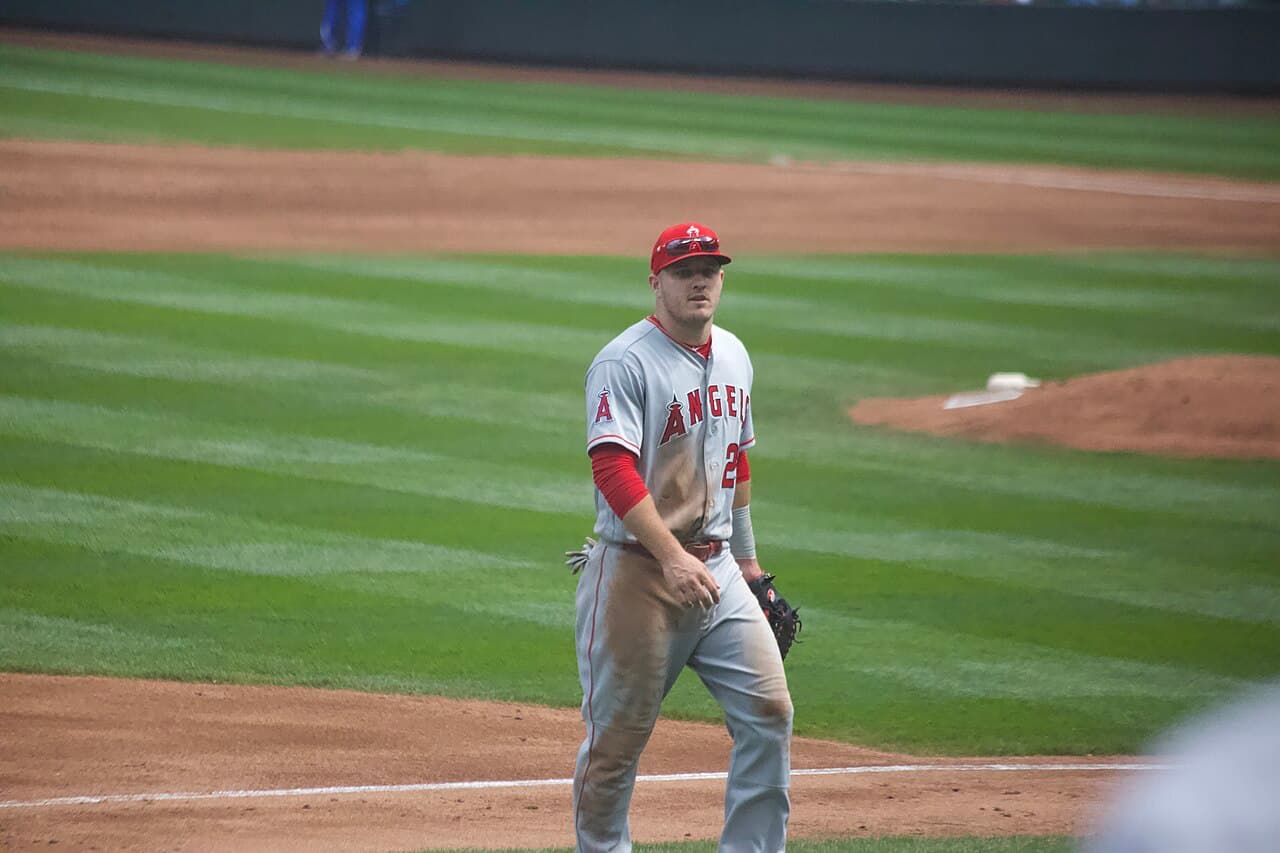
The Los Angeles Angels placed Mike Trout on the 10-day injured list with a right hamstring strain ahead of Thursday's game against the Athletics. Trout suffered the injury running to first base during Wednesday's loss to the Diamondbacks, initially believing it was a cramp before an MRI confirmed a strain. For fantasy managers who finally felt safe rostering Trout again, and for bettors who had baked his bat into Angels run totals, this is a meaningful mid-June disruption.
The timing stings because Trout had been the picture of durability. He appeared in 74 of the Angels' first 75 games this season, a remarkable run for a player whose recent campaigns were defined by stop-and-start availability. He was in the middle of a resurgent year at the plate, and his presence had been one of the few reliable anchors in an Angels lineup that has otherwise been streaky.
What we actually know
The key facts: this is a confirmed 10-day IL placement, not a day-to-day situation, and the diagnosis is a strain rather than a more severe tear. Trout himself struck an optimistic tone, saying he is hoping for a short stay and noting he felt better the day after the injury. That is encouraging, but hamstring strains are notorious for re-aggravation, especially in players in their mid-30s. Trout turns the corner on a long injury history, and the Angels have every incentive to be cautious rather than rush him back for a team hovering near the fringes of contention.
No firm return timeline has been attached to the injury beyond the minimum 10 days. Treat any "he could be back quickly" chatter as aspiration, not a date. Hamstring grades matter enormously here, and until the team or a credible beat report attaches a grade or a rehab benchmark, the responsible read is that Trout is out at least into early July and possibly longer if the strain is anything beyond mild.
Fantasy fallout
In redraft leagues, Trout is a stash if you have an IL slot, full stop. The talent and the early-season production make him an easy hold, and the optimistic framing from the player suggests this is not a season-altering injury as currently understood. Managers in shallow leagues without IL flexibility face a harder call, but cutting a healthy-on-return Trout for a streaming bat would be a mistake unless your roster is in crisis.
The more interesting fantasy ripple is downstream. With Trout out, the Angels recalled Christian Moore, who had been scorching at Triple-A Salt Lake. Moore profiles as a power-leaning infielder who can also handle some outfield, and a clear runway to regular at-bats makes him a speculative add in deeper formats. Angels hitters who slide up in the order also gain marginal RBI and run-scoring opportunity, though the lineup loses its best table-setter and protection piece, which dampens the overall environment.
The betting angle
For bettors, the immediate adjustment is on Angels team totals and game totals in the games Trout misses. Removing an above-average bat from a lineup that already lacked depth nudges projected run output down, and the market will price that in quickly. The edge, if there is one, lives in the first 24 to 48 hours before lines fully adjust, and in spots where the replacement bat is being undervalued or overvalued by the number.
Player props are the cleaner play. Any Trout-specific props obviously come off the board, but watch for inflated expectations on the hitters batting around his vacated spot. Books and models sometimes overcorrect, assuming a replacement-level hitter will simply absorb Trout's production. He will not. Look for value on the under side of run and RBI props for the bats expected to carry the load, and be skeptical of narratives that one hot Triple-A callup replaces a future Hall of Famer.
The Verdexed model take
The Verdexed model treats this as a lineup-quality downgrade for the Angels rather than a collapse. The signal worth tracking is whether the Angels lean further into youth while Trout heals. Moore's promotion is exactly the kind of opportunity-driven move that creates short-term fantasy value, because playing time is the single biggest driver of counting-stat output. If Moore hits, his leash extends; if he scuffles, the Angels have other infield options to cycle through.
On the team level, the model flags the Angels as a slightly more volatile betting target while Trout is out. Volatility cuts both ways: lower floors on offense, but also potential value when public perception overrates the impact of one absence in a lineup that was never built solely around him. Discipline on the number matters more than reacting to the headline.
What's next
The next checkpoints are clear. First, watch for any update that attaches a grade to the strain or a rehab assignment, which would firm up the timeline beyond the 10-day minimum. Second, monitor Christian Moore's playing time and early results, since his fantasy relevance is entirely tied to the runway Trout's absence created. Third, track how the Angels structure their lineup in the interim, because the hitters who inherit Trout's spots are the ones whose props and counting-stat expectations will shift the most.
For now, Trout managers hold and stash, deeper-league managers take a flier on Moore, and bettors fade any market overreaction in either direction. This is a setback, not a season, and the smart money waits for the next concrete update before committing hard to a timeline.