Micah Parsons Set to Open 2026 on PUP, Packers Eye Mid-October ACL Return
By Verdexed NFL Desk
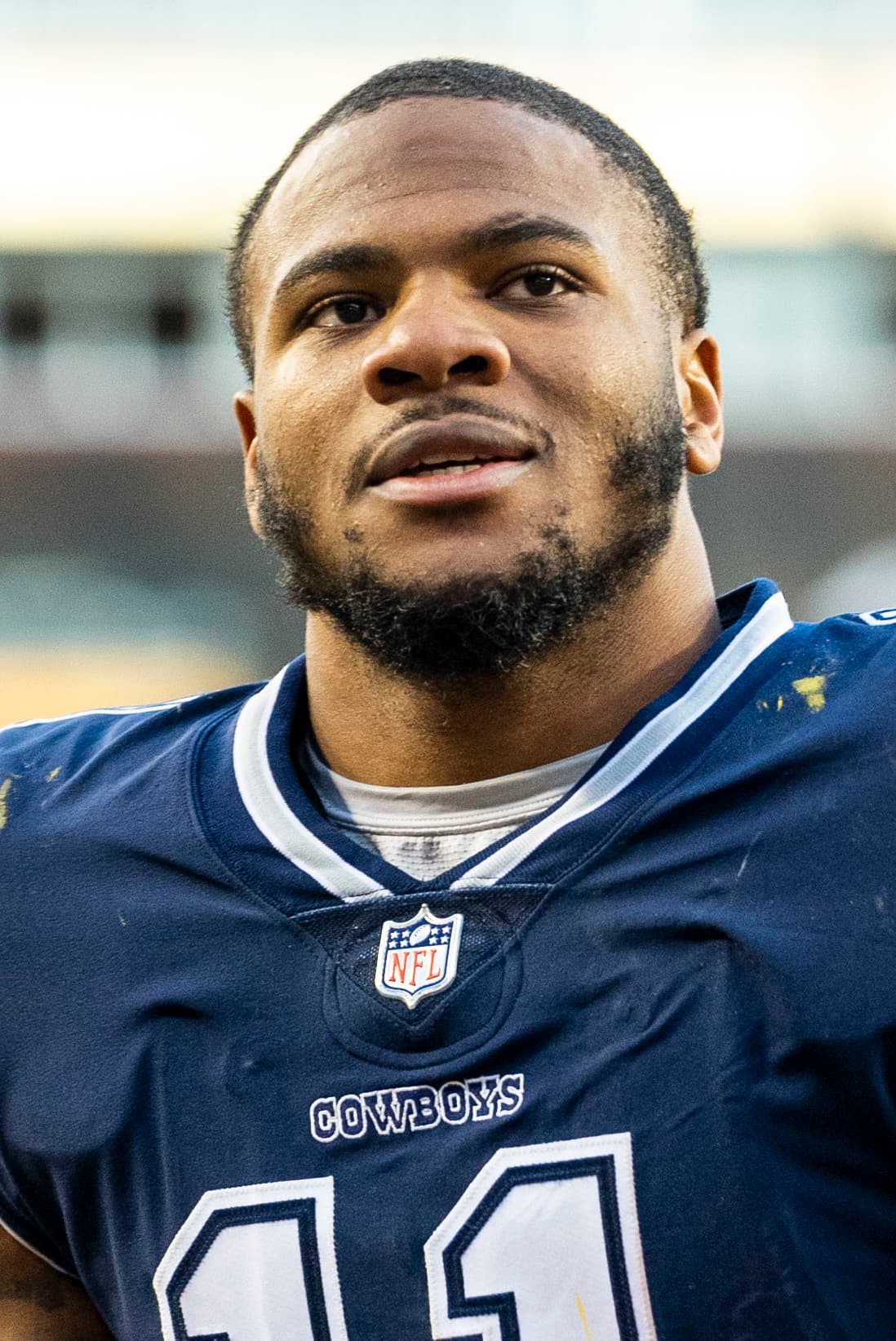
Micah Parsons will open the 2026 season on the physically unable to perform list, a designation that keeps the Green Bay Packers pass rusher sidelined for at least the first four games as he finishes rehabbing from knee surgery. The team is targeting a mid-October return, a window that sets a clear floor under the absence while keeping expectations grounded about how soon he can be turned loose.
The move tracks with the medical timeline. Parsons is recovering from ACL surgery that also included a meniscus procedure, and as of early June he is just past the five-month mark post-operation. A PUP start is the natural fit for a player whose clearance is still months out, and it lets Green Bay preserve roster flexibility while the rehab runs its course.
The nine-month rule drives the calendar
More than any single optimistic update, a strict organizational standard governs the math here. The Packers follow a nine-month rule before clearing a player to return to the field from this kind of knee reconstruction, and that threshold, not the PUP minimum, is the real gate. Working forward from the surgery date, the nine-month mark lands around Sept. 29.
That is why mid-October, rather than late September, reads as realistic. Clearing the nine-month threshold is a prerequisite, not a green light to play that same week. Parsons will still need several weeks of full practice afterward to rebuild conditioning, timing, and trust in the knee before he is unleashed in a game. The PUP list already requires him to miss the first four games, and the practical ramp pushes the live target past that minimum.
The realistic return windows
Two specific games stand out as activation candidates. The first is Week 5 against the Chicago Bears on Oct. 11, the earliest point at which the nine-month rule and a practice ramp could plausibly line up. The second is Week 6 against the Dallas Cowboys on Oct. 18, a date that carries obvious storyline weight given Parsons' history with that franchise.
Both windows should be framed as targets tied to the nine-month rule, not confirmed dates. A clean rehab could land him in the Week 5 game, while any soreness, caution, or desire for additional practice reps could push the return to Week 6 or slightly beyond. The team has not committed to a single game, and the every-checkpoint nature of knee rehab means the final call will come late.
Fantasy and dynasty fallout
For IDP and dynasty managers, this is a direct hit to Parsons' early-season value. A defender who produces nothing for at least four weeks, and possibly five or six, cannot anchor an opening-month lineup. In redraft IDP formats he is a stash with a real cost rather than a set-and-forget starter, and managers need a concrete plan to cover the first quarter of the season without him.
Dynasty managers face a more layered calculation. Parsons' long-term standing as one of the league's premier pass rushers is fully intact, but the discount created by the slow start is real and exploitable. Managers with the roster depth to weather a quiet September can treat this as a buying window if a nervous owner sours on the missed games. The talent did not change; only the schedule did.
Betting angle: a thinner Green Bay pass rush early
The Parsons absence is not only an IDP story. It reshapes how to evaluate the Green Bay defense for the first quarter of the season. Without their top edge disruptor, the Packers pass rush is weaker through roughly Week 5, which softens their team-defense streaming appeal in those weeks and lowers the pressure rate that fuels sacks and takeaways.
The sharper angle may sit on the other side of the ball. Offenses that face Green Bay before Parsons returns get a friendlier pass-rush environment than they would later in the year. That is worth folding into early-season passing markets for the offenses on the Packers' schedule in that stretch, including division foes such as the Bears, Lions, and Vikings if they draw Green Bay early. A cleaner pocket tends to support passing volume and efficiency, which can lift quarterback and pass-catcher props at the margins.
The Verdexed model take
The model treats Parsons as a known absence rather than an open question, which is its own kind of clarity. The uncertainty is not whether he plays early (he will not) but which October game marks his return, and that range is narrow enough to plan around. The nine-month rule supplies a defensible anchor, and the PUP minimum supplies a floor.
For team-defense and IDP purposes, the model fades Green Bay's defensive ceiling through the first four-to-five weeks, then re-rates it sharply upward once Parsons is activated. For opposing offenses, it nudges early Green Bay matchups toward the friendlier end of the pass-rush spectrum. The cleanest edge is timing: the market may not fully price how long the ramp realistically runs after the nine-month date arrives.
What's next
The milestones to watch are the late-September nine-month mark and Parsons' return to full practice, the latter of which starts the clock on an actual game return. Once he is practicing without limitation, the Week 5 and Week 6 windows come into focus and the activation decision becomes a matter of weeks rather than months.
The actionable takeaway splits by format. IDP and dynasty managers should treat Parsons as a stash and a potential buy-low, building their first month around his absence. Bettors should lean into Green Bay's thinner early pass rush, monitoring passing markets for the offenses that face the Packers before his return. Either way, the calendar, not the talent, is doing the heavy lifting, and the calendar points to October.