Ladd McConkey Hamstring: Chargers WR1 Calls Injury 'Not Serious,' Eyes Training Camp
By Verdexed Fantasy Desk
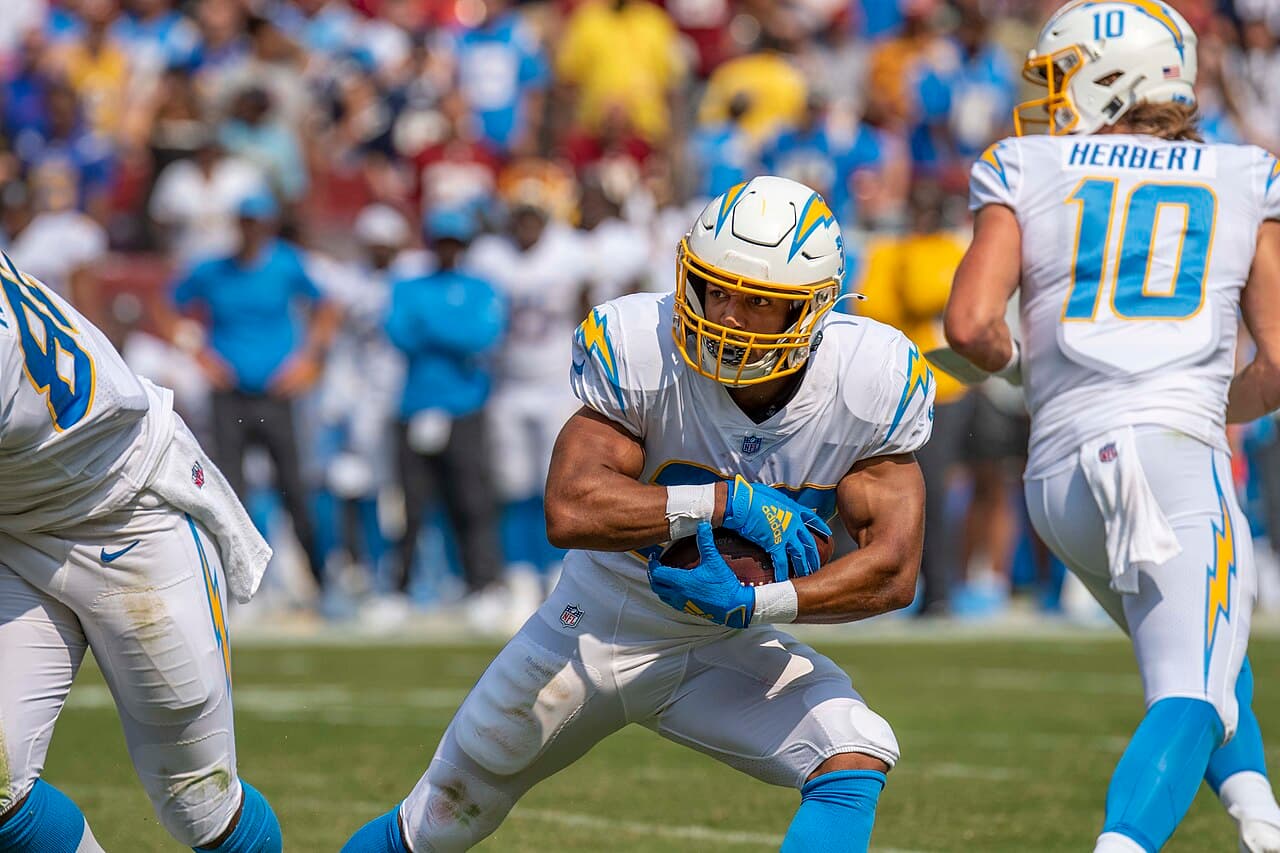
Los Angeles Chargers wide receiver Ladd McConkey strained his left hamstring during the team's offseason program and was limited through minicamp, but the early read from everyone involved is that this is a draft-day footnote rather than a real downgrade. McConkey himself described the issue as not serious, and head coach Jim Harbaugh publicly downplayed it, framing it as something the receiver was working through rather than a significant concern. McConkey expects to be ready for training camp, which opens in late July. For fantasy managers, that timeline is the whole story: a soft-tissue strain caught in the spring with a full ramp ahead before any games matter.
The details that exist all point the same direction. The strain happened during the second phase of the offseason program, and the Chargers handled it with obvious caution, keeping McConkey to individual work and sideline rehab for stretches of OTAs before bringing him along in minicamp. Reporting indicated team doctors were not concerned about the injury long term but advised him not to push it before camp. That is textbook conservative management of a non-structural hamstring issue in June, not a sign of a lingering problem.
Why this is a note, not a downgrade
The calendar is doing the heavy lifting here. A hamstring strain in June with a stated training-camp target leaves more than a month of runway before camp and roughly three months before Week 1. Soft-tissue injuries demand respect because they can recur if rushed, but the combination of an early diagnosis, an organization treating it cautiously, and the player and coach both describing it as minor is about as benign as an offseason injury report gets. The risk worth monitoring is not this specific strain so much as whether it signals any tendency toward hamstring trouble, which is a recurrence concern teams watch closely.
The key point for drafters is that nothing about McConkey's role has changed. He is the Chargers' top wide receiver and the most important pass-catcher in the offense, and a June hamstring tweak does not alter the target hierarchy that makes him valuable.
Fantasy fallout
McConkey enters 2026 as the centerpiece of the Chargers' passing game, the receiver Justin Herbert looks to first in the situations that produce fantasy points. His value is built on a high-volume, high-floor target profile, the kind of role that survives a minor spring injury without losing its shape. Treat the hamstring as a reason to monitor camp reports, not a reason to slide him down your board.
If his ADP softens at all because of the injury chatter, that is an opportunity rather than a warning. Managers who believe the not-serious framing can let nervous drafters move him down and then take him at a small discount. The one disciplined move is to confirm a clean ramp in late July before locking him in as a set-and-forget starter, because soft-tissue injuries are precisely the category where a quiet setback can change the timeline.
The coaching context
Harbaugh remains the head coach, and his public handling of the injury was deliberately calm, consistent with how he has framed roster news. On the play-calling side, the Chargers reshaped their offensive staff this offseason after parting with their prior coordinator following the playoff loss, and reporting indicates the team brought in a new offensive coordinator for 2026. That coaching transition is its own variable worth tracking for the entire Chargers passing game, but it does not change McConkey's standing as the clear top option, and it is the scheme fit, not the hamstring, that will shape his ceiling.
The Verdexed model take
Verdexed's injury framework weights three things: severity, timeline, and role security. McConkey scores well on all three. The severity reads as low based on the descriptions from the player and coach, the timeline points to a training-camp return with a full ramp, and his role as the team's primary target is unthreatened. The model treats June soft-tissue strains with stated camp returns as minimal projection adjustments, and McConkey fits that category cleanly.
The only input the model flags as worth updating in real time is the ramp itself. If he is a full participant when camp opens, his projection holds. If the team keeps limiting him into August, that is when the recurrence risk becomes a live concern and a real downgrade rather than a note.
Betting angle
For season-long markets, the smart approach is to act before camp confirms what the spring reporting already suggests. McConkey's receiving-yardage and receptions futures may carry a small injury discount right now, and if a manager or bettor trusts the not-serious framing, that is the window to take the over before a clean camp report removes the discount. His target-volume profile makes the receptions number the cleaner expression than chasing touchdowns, which are noisier and more dependent on red-zone script. The Chargers' team passing markets are harder to read until the new coordinator's scheme takes shape, so the focused play is on McConkey's individual volume rather than the offense as a whole.
What's next
The single milestone that matters is the start of training camp in late July. A full-participant McConkey on day one confirms the injury was the footnote everyone described, and his draft value snaps back to where it belongs. The actionable takeaway: do not downgrade McConkey for a minor June hamstring, treat any ADP dip as a buying window, and simply verify a clean camp ramp before you commit to him as a weekly starter.