 NFL2026-07-27
Joe Mixon's NFL Career Is Reportedly Over: The Foot Injury That Ended a Two-Time Pro Bowler
By Verdexed NFL Desk
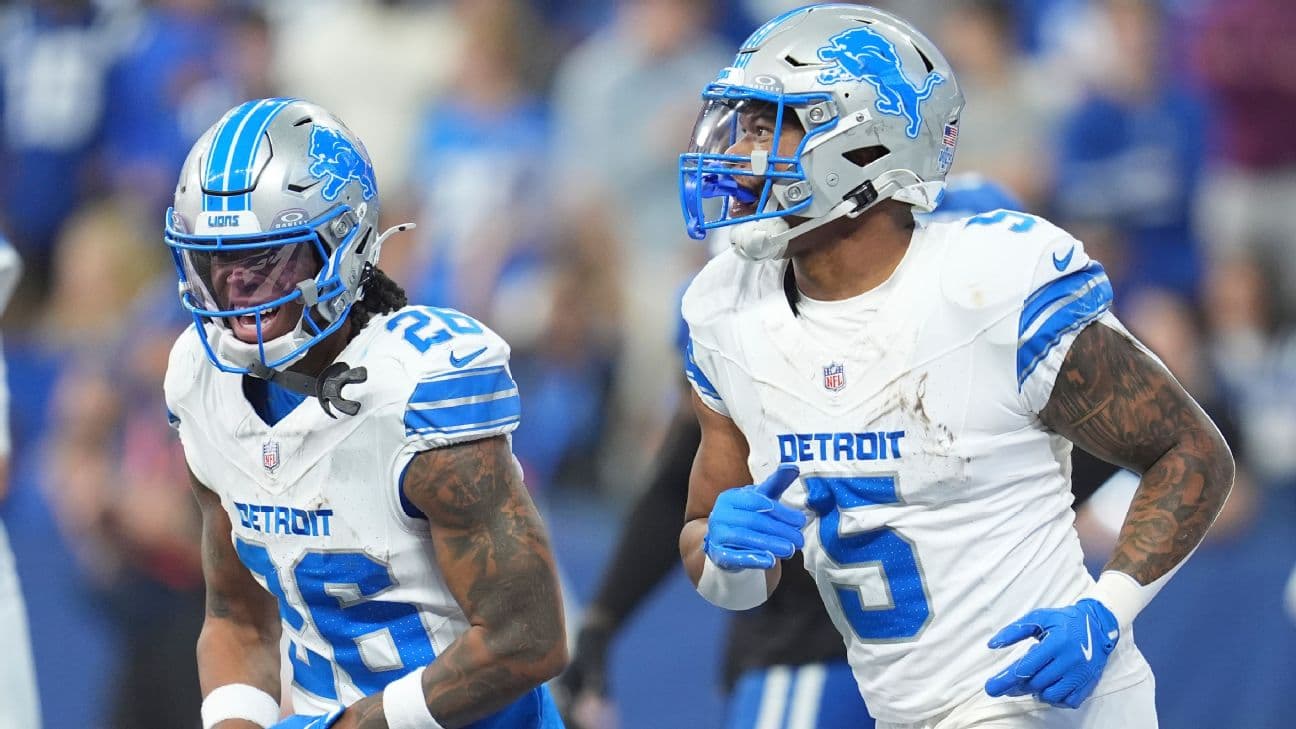
Joe Mixon's NFL career is likely over, according to a report from a Houston-area reporter who indicated that the veteran running back has told former teammates as much. The cause is a severe foot injury and its complications, reported as avascular necrosis, a condition in which bone tissue dies from restricted blood supply. Mixon has not filed retirement paperwork, and no formal announcement has been made, so the accurate framing is that his playing days appear finished rather than that they are officially over.
The timeline is brutal in its simplicity. Mixon last took a regular-season snap in 2024. He remained on the Houston Texans roster through 2025 without playing a down. Houston released him in March 2026 as the uncertainty around his health persisted. He has been a free agent since, and no team has signed him.
The career
Mixon finishes with 111 games played, 7,428 rushing yards and 60 rushing touchdowns, five 1,000-yard rushing seasons and two Pro Bowl selections. That is a genuinely productive career at a position that chews through bodies, and it is worth stating plainly: a running back who reaches five 1,000-yard seasons has outlasted the vast majority of his draft class.
For a decade, Mixon was one of the most reliable fantasy assets in the sport. He was a three-down back in an era when three-down backs were disappearing, a capable receiver out of the backfield, and a goal-line finisher whose touchdown equity kept him startable even in weeks when the yardage did not come. Fantasy managers spent first- and second-round picks on him for years, and in most of those years, they were rewarded.
Why this matters beyond the box score
Avascular necrosis is not a typical football injury, and that distinction is the useful part of this story for anyone building a roster. Most running back attrition is predictable in aggregate: workload, contact volume and age curves conspire, and the position's cliff arrives somewhere in the late twenties. Mixon's exit is not that. It is a low-frequency medical event that no usage model would have flagged.
That is a reminder about how to price running backs generally. The observable risk factors, career touches, age, offensive line quality, are the ones the market already prices. The unobservable ones are what actually end careers, and they are why the position's expected value curve is steeper than its production curve.
The Texans angle
Houston has already moved on, and the current backfield is the more actionable fantasy topic. The Texans acquired David Montgomery from Detroit in March, and Montgomery projects as the lead back in a committee alongside Woody Marks, who took control of the backfield down the stretch of the 2025 season and averaged a substantial share of the touches over the final stretch.
Mixon's release in March was the transaction that formally opened that competition. His departure is not new information for the Houston depth chart, but the confirmation that he will not return anywhere removes the last theoretical scenario in which a veteran back re-enters that room.
Fantasy fallout
There is no direct roster action to take. Mixon has not been draftable in any format for two offseasons, and he does not appear on relevant ADP boards. What is worth doing is a broader recalibration.
The running back position in 2026 is unusually deep at the top and unusually shallow behind it. Committee backfields are the default rather than the exception, and the number of true bell-cow backs continues to shrink. Managers who spend early capital on running backs are paying for a role that fewer teams are willing to assign. Managers who wait are betting on injury-driven opportunity, which is a real strategy but one that requires an aggressive waiver posture.
Mixon's career is a case study for the handcuff argument. Teams do not announce that a starting back is finished. They quietly stop giving him work, then quietly release him, and the backup who was already on the roster inherits the job. Rostering the second back in ambiguous backfields is the cheapest insurance in the game.
The Verdexed model take
Our projection system applies an availability discount to running backs with significant recent missed time, and Mixon's discount was already at the point where he carried essentially no projected value entering the offseason. Nothing about this report changes a Verdexed number.
What it does inform is our treatment of veteran backs generally. The model's age and workload curves already penalize backs entering their late twenties with heavy career touch counts, and the empirical record continues to support an aggressive rather than a gentle discount. Managers who feel the market is unfairly cheap on aging backs should note how often the market turns out to be right.
What's next
Barring an official announcement, Mixon's status will likely remain informal. Players in his position often let a season pass without filing paperwork, keeping the door open in name if not in practice. A team signing him at any point this year would be a genuine surprise, and any such report should be treated skeptically until confirmed by a second source.
For fantasy purposes, the file is closed. The useful takeaway is not about Mixon at all. It is about how quickly a first-round fantasy asset can go from indispensable to unrostered, and about why the running backs you draft in the seventh round matter more than the ones you draft in the first.