2026 Fantasy TE Tiers: Brock Bowers Leads, Trey McBride Pushes, and Sam LaPorta Is the Price Trap
By Verdexed Fantasy Desk
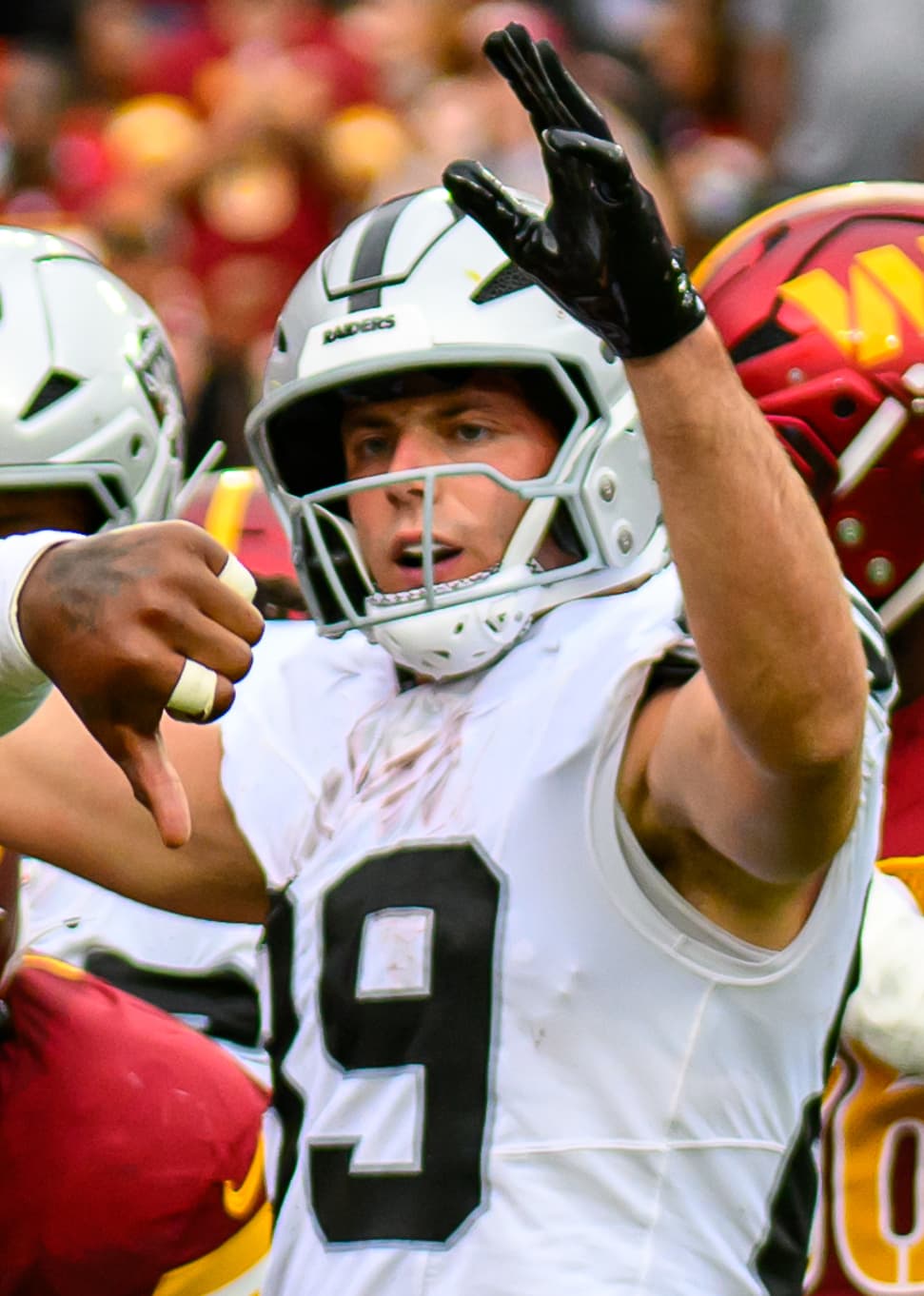
Tight end is the position where draft strategy splits the room, and the 2026 board offers a clean answer at the top and a minefield right behind it. Brock Bowers and Trey McBride headline an elite tier worth a premium pick, a thick middle of upside swings follows, and one popular name, Sam LaPorta, now carries more risk than his price suggests after a coordinator change. Sorting the position into tiers is the fastest way to know when to pay up and when to wait.
This is the time of year to set those tiers, before camp narratives and preseason hype move ADP. Managers who know which tight ends are interchangeable and which ones are truly scarce will avoid reaching for a name and instead draft the value the board hands them.
Tier 1: pay the premium
Brock Bowers sits atop the position as the preferred TE1 in both redraft and dynasty. The profile is everything a fantasy manager wants at a thin position: elite separation, a target share that can dominate a passing game, and the early-career production that signals a long runway. He is a second-round-caliber pick in redraft for a reason, because owning a positional advantage at tight end frees up your weekly lineup decisions.
Trey McBride is the 1B to Bowers' 1A. He remains an elite, high-volume option and a defensible first tight end off the board, though there is a case to temper expectations slightly relative to his peak production. The two of them form a clear top tier, and drafting either one means you can ignore the position for the rest of the draft. Everyone else comes with a question.
Tier 2: the upside swings
The second tier is where the value lives for managers who choose to wait. Colston Loveland belongs firmly in the upper-tier conversation with legitimate breakout potential, the kind of ascending talent who can pay off a mid-round pick if the targets arrive. Tyler Warren and Tucker Kraft offer the most appealing blend of cost and ceiling in this group, each capable of a top-six finish without the top-six price tag.
The strategy with Tier 2 is volume of shots. Because the gap between the fifth and twelfth tight end is small in most weeks, drafting one of these upside swings and pairing it with a late-round flier is often the better roster build than reaching into the top tier if Bowers and McBride are gone. You are betting on a breakout rather than paying for a finished product.
The Sam LaPorta problem
Sam LaPorta is the name to approach with caution. He carries more risk relative to his draft cost than others in his range, and the reason is scheme. LaPorta is set to play under a new offensive coordinator in 2026, Drew Petzing, who previously ran the offense that featured McBride heavily. The fit could work, but a coordinator change introduces real uncertainty about target share and usage, and the market has not fully discounted that risk.
The trap is paying a Tier 2 price for a player whose projection just got murkier. If LaPorta slides to where the cost reflects the uncertainty, he is a fine pick. At his current ADP, he is the kind of player who can sink a roster if the new system does not funnel him the volume he enjoyed before. Let someone else absorb that risk unless the price drops.
The Verdexed model take
Verdexed's tight end model leans heavily on projected target share and route participation, because at this position opportunity is destiny. Bowers and McBride grade out as the only two tight ends with both the volume and the efficiency to function as weekly difference-makers, which is why the model endorses paying up for the top tier rather than chasing it later.
In the middle tiers, the model favors the ascending profiles, Loveland, Warren, and Kraft, over the established names whose situations are changing. LaPorta specifically takes a projection hit in the model because the coordinator change widens his range of outcomes in both directions, and the model penalizes uncertainty at a position where consistency is the entire appeal. The edge is to draft the cheaper upside and let the market overpay for name recognition.
What to do in your league
Pick a side and commit. Either pay for Bowers or McBride and lock in a weekly advantage, or wait and take two shots from the Loveland-Warren-Kraft group and stream the upside. The worst outcome is reaching for a Tier 2 tight end at a Tier 1 price, which is exactly the risk LaPorta presents at his current cost.
In dynasty, Bowers is the clear cornerstone, and the younger ascending options carry more long-term value than the veterans whose roles are shifting. Build around youth and target share, and let age and scheme uncertainty be someone else's problem. The ascending Tier 2 names in particular, the ones with breakout potential and a defined path to volume, are the dynasty assets most likely to appreciate before next offseason, which makes them buys now rather than later.
What's next
Camp will firm up the middle tiers in a hurry. Watch for which Tier 2 tight ends are running with the first team and commanding red-zone looks, and monitor how the new Detroit offense uses LaPorta in the spring and summer reps. Tiers are a living document at this position, and the managers who update them through August will draft the best value in the fall.