Malik Willis Holds the Dolphins' QB1 Job, but Quinn Ewers Made Miami's Minicamp Interesting
By Verdexed NFL Desk
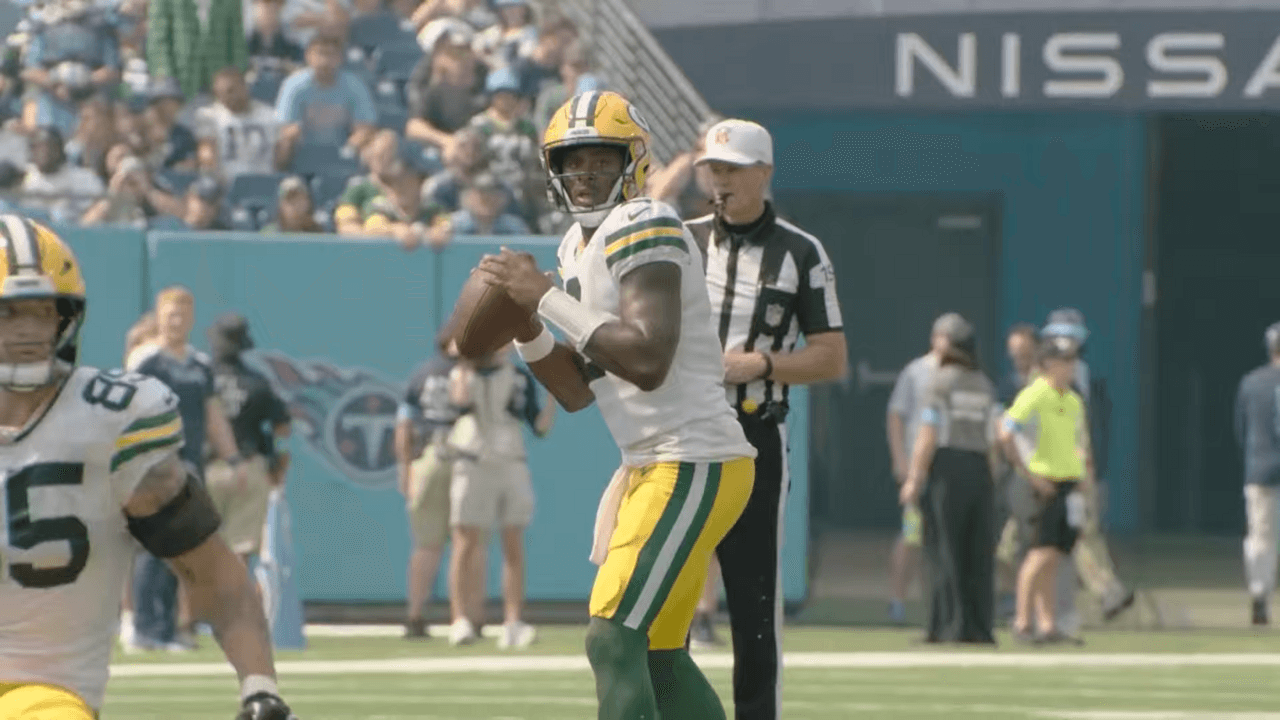
Malik Willis is in line to open the 2026 season as the Miami Dolphins' starting quarterback, the first concrete answer to a question that has hovered over the franchise since it turned the page at the position. New head coach Jeff Hafley ran his first mandatory minicamp in early June, and while the headline is Willis as the projected Week 1 starter, the subplot is rookie Quinn Ewers, who graded out as the most consistent passer over the three-day session.
For fantasy managers, a new quarterback and a new system in Miami reset the value of every pass catcher and back on the roster. Knowing who throws the ball, and how the new staff wants to play, is the starting point for projecting the entire offense.
What happened at minicamp
Willis took the bulk of the first-team work and flashed the traits that make him intriguing. His first pass of the camp was intercepted, but the ball rarely hit the ground after that, and he capped one session with a deep touchdown strike. The athletic ceiling is obvious: arm strength, mobility, and the ability to extend plays are all clear advantages over the rest of the room.
Ewers, the rookie, was the steadier hand. Observers came away noting that he was the most consistent quarterback across the three days, even as the gap in pure physical tools favored Willis. That is a familiar rookie profile, processing and accuracy ahead of the splash plays, and it sets up a real developmental timeline behind the veteran.
The takeaway from camp was that there should be little question Willis opens as the starter, with his contract and experience tipping the scales, but Ewers did enough to make the long-term picture worth watching.
The Hafley factor
Hafley takes over an offense in transition. The staff spent minicamp emphasizing that the quarterbacks are still building rapport with their pass catchers, a polite way of saying the timing is a work in progress. New systems take time, and the first month of camp will be about installing concepts rather than fine-tuning a finished product.
The scheme questions matter more than the depth chart for fantasy purposes. Pace, pass rate, and how aggressively the new staff wants to push the ball downfield will determine whether Miami's skill players return draftable value or sink into the streamer pool. A mobile quarterback like Willis can lift a rushing attack and create off-script plays, but he can also produce volatile week-to-week passing numbers that frustrate fantasy managers chasing consistency.
Fantasy fallout
Willis is a late-round dart throw in superflex and two-quarterback formats, where his rushing upside gives him a usable floor even if the passing volume is modest. In standard one-quarterback leagues, he is a wait-and-see streamer rather than a target. The rushing element is the entire fantasy case: quarterbacks who run add points that do not depend on a clean pocket or a finished passing offense.
The pass catchers are the more actionable angle. A quarterback change and a new system inject uncertainty into the receiver room, which usually means discounts. Managers who believe in the underlying talent can buy those players cheap and bet on the offense finding its footing as the timing improves through camp. The risk is real, but so is the price.
Ewers is a dynasty stash, not a redraft asset. If Willis stumbles or the Dolphins fall out of contention, the rookie is the obvious next man up, and dynasty managers who acquire him now are buying at the bottom of his market.
The Verdexed model take
Verdexed's quarterback model separates passing production from rushing production for exactly situations like this. Willis grades as a low-end QB2 in raw passing projection but climbs meaningfully once designed runs and scrambles are added, which is why he carries more value in superflex than his name recognition suggests. The model treats him as a high-variance option: capable of a top-12 weekly finish when the rushing comes through, but prone to dud games when defenses force him to win from the pocket.
The larger model read is on the offense as a whole. A new coordinator and an unsettled timing tree push Miami's team passing projection into the bottom third of the league for the early weeks, with upside if the rapport the staff keeps mentioning actually develops. That argues for patience with the pass catchers and skepticism toward paying up for any Dolphins skill player at full freight.
What to do in your league
In superflex, draft Willis late and embrace the rushing floor. In single-quarterback leagues, leave him on the wire until the offense shows it can move the ball. Treat Miami's receivers as buy-low candidates if the discount is steep enough, and accept that the payoff may not arrive until the offense settles in.
Dynasty managers should put Ewers on the radar now. Rookies who win the consistency battle in their first camp often force the issue sooner than expected, and the acquisition cost will only rise if he plays.
What's next
The depth chart is set for now, but quarterback rooms are rarely static. Watch training camp for whether Willis cleans up the early-down decision-making, whether Ewers continues to close the gap, and how quickly the new passing concepts come together. The answers will determine whether Miami's offense is a fantasy avoid or a sneaky source of late-round value.