2026 Rookie WR Breakouts: Jordyn Tyson and Carnell Tate Headline a First-Round Fantasy Class
By Verdexed Fantasy Desk
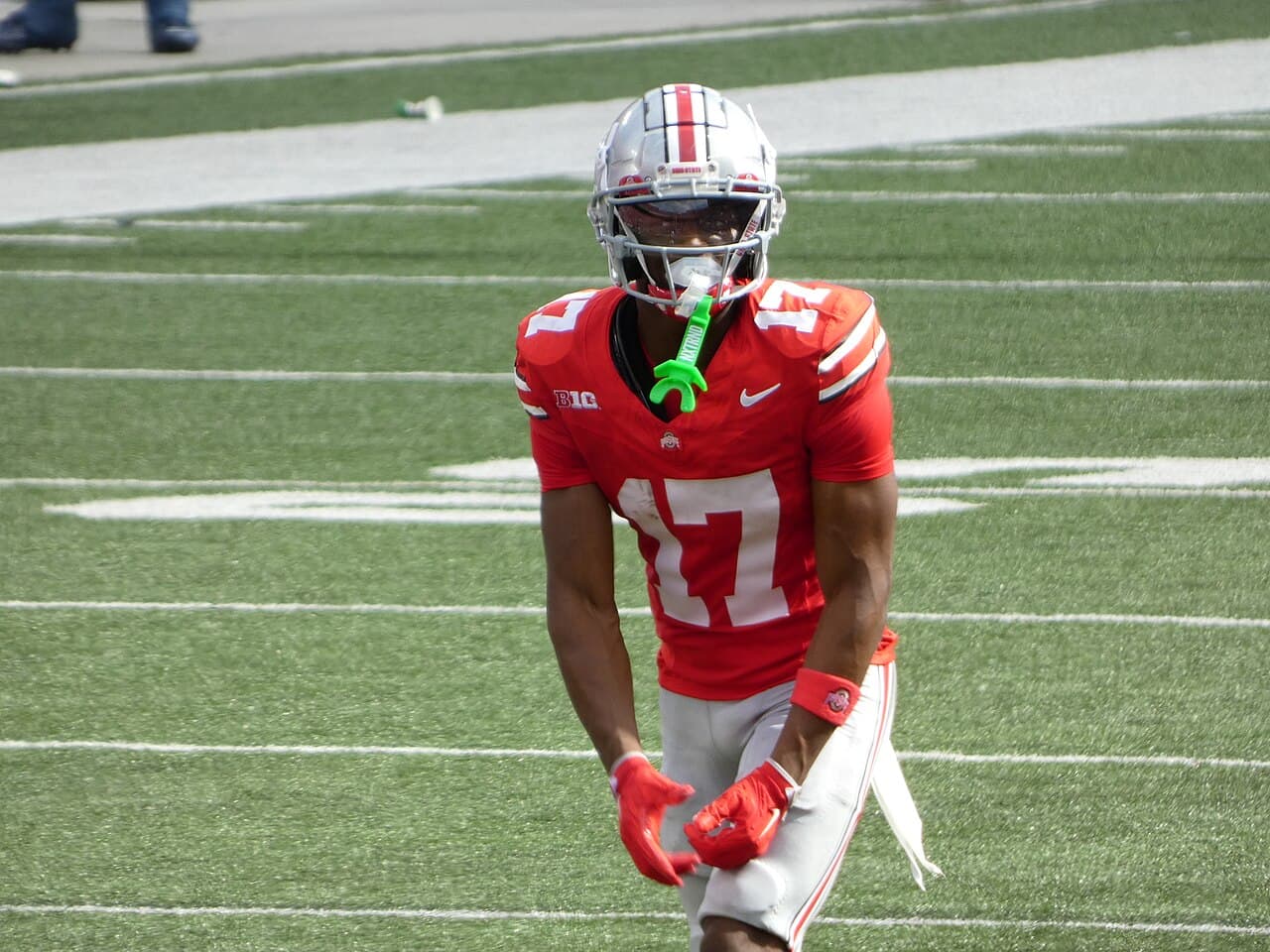
The 2026 rookie wide receiver class found its fantasy headliners on draft night, and two names sit a clear cut above the rest entering camp: Jordyn Tyson, the Arizona State product the Saints took eighth overall, and Carnell Tate, the Ohio State receiver the Titans selected fourth. Both landed in situations that maximize Year 1 opportunity, and for redraft and dynasty managers alike, they are the rookie receivers most worth targeting before the season starts.
Draft capital and landing spot are the two most predictive inputs for rookie receiver production, and Tyson and Tate check both boxes. Top-10 picks at the position get on the field and command targets immediately, and both walked into offenses with a path to volume rather than a crowded depth chart blocking their snaps. That combination is exactly what separates a rookie worth drafting from a name to monitor on the waiver wire.
Jordyn Tyson: a plug-and-play role in New Orleans
Tyson landed in arguably the best spot in the class. The Saints run a pass-friendly offense under Kellen Moore, a play-caller with a track record of feeding his receivers volume, and they ranked near the top of the league in pass rate last season. Pairing Tyson with Chris Olave gives New Orleans a complementary one-two punch, with Tyson capable of carving out a sizable target share even as a rookie because the offense throws enough to support two productive receivers.
The fantasy case is built on usage. A top-10 rookie in a high-volume passing attack with a creative play-caller is the textbook profile for a Year 1 contributor who can post WR2 or flex numbers down the stretch. Tyson does not need to be the alpha to matter; he needs the targets that come with a featured role in a pass-leaning scheme, and that is exactly what New Orleans offers. He is the rookie receiver to draft if you want the cleanest combination of opportunity and offensive environment.
Carnell Tate: alpha upside in Tennessee
Tate's case is about ceiling. As the fourth overall pick, he was the first receiver off the board, and he landed with a Titans team where he has a genuine path to becoming the No. 1 option, potentially the true alpha of the passing game before his rookie year is out. Pairing with a young quarterback gives him both the present opportunity and the long-term rapport that dynasty managers prize, and his draft slot signals the kind of organizational investment that guarantees snaps.
The trade-off relative to Tyson is environment. Tennessee's offense is more of a projection than New Orleans's established pass-heavy system, which adds variance to Tate's weekly output. But the upside is higher: a true No. 1 receiver on a developing offense can outproduce a complementary piece on a better one if the volume concentrates in his direction. For managers who value ceiling over floor, Tate is the swing-for-the-fences pick of the class.
The Verdexed model take
The model ranks Tyson and Tate as the clear top tier of the rookie class, separated by profile rather than overall value. It gives Tyson the edge in projected floor because of the established pass volume and scheme around him, while Tate carries the higher ceiling on the strength of his draft capital and his path to a featured role. In redraft, the model leans Tyson as the safer bet to return value immediately; in dynasty, it views the two as essentially co-headliners, with Tate's long-term alpha upside closing the gap.
The broader model lesson on rookie receivers is to trust opportunity over pedigree alone. Every year the class produces a Year 1 fantasy contributor or two, and the winners are almost always the players with the clearest combination of targets and offensive support rather than the flashiest college profile. Tyson and Tate are the two rookies whose situations most reliably point toward real volume, which is why the model elevates them above the dart-throw sleepers further down the board.
What to do in your league
In redraft, target Tyson as a late-round receiver with WR2 upside in a pass-heavy New Orleans offense, and grab Tate a round or two later as a higher-variance ceiling play. In dynasty rookie drafts, both belong in the first few picks, with the choice between them coming down to whether your roster needs a safer contributor or a long-term alpha bet. And keep an eye on the deeper sleepers in the class, because rookie receiver depth in camp is where waiver-wire value is born.
What's next
Training camp reports are the next checkpoint. Watch for which rookie earns first-team reps and red-zone looks early, because the receivers who flash chemistry with their quarterbacks in August are the ones who carry it into September. Tyson and Tate already have the draft capital and the landing spots; a strong camp would cement them as the rookie receivers worth drafting ahead of the field.