Will Smith Lands on the IL With Neck Inflammation: Dalton Rushing Takes the Job
By Verdexed MLB Desk
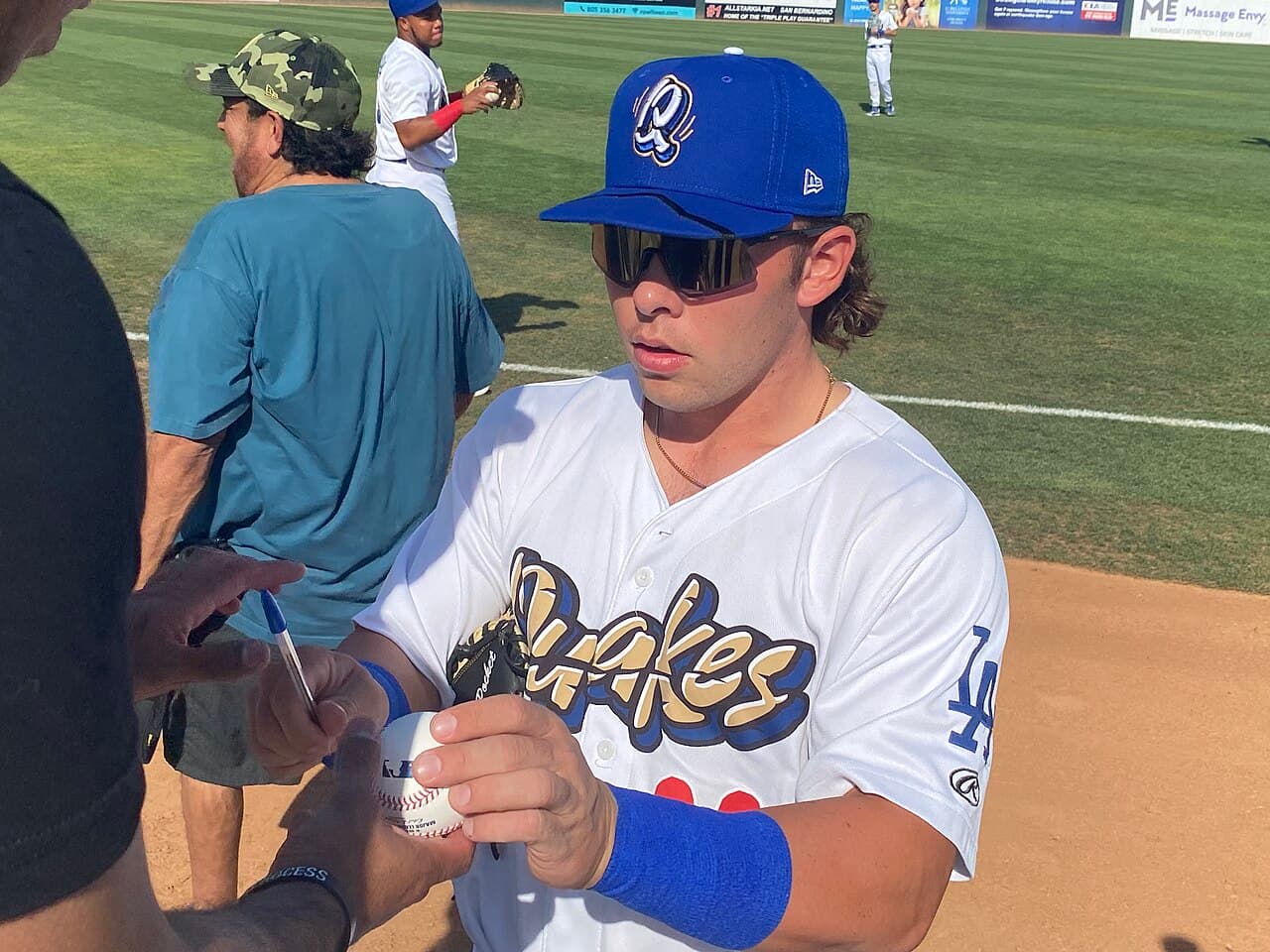
The Los Angeles Dodgers placed three-time All-Star catcher Will Smith on the 10-day injured list with neck inflammation, an absence that removes one of the position's best fantasy bats and hands the everyday job to young catcher Dalton Rushing. With the move backdated to early June, Smith projects to be eligible to return around the middle of the month, but the immediate fantasy ripple runs through Rushing and the scarcity of catcher production across the league.
Smith had already been out of the lineup for several games with neck stiffness before the team made the IL move official. He described the issue as an inflamed disc in his neck and termed it minor, which fits a short-term stint rather than a long absence. The Dodgers also called up a veteran depth catcher to back up Rushing, signaling that Rushing is the one who inherits the bulk of the starts and the run-producing slot in a deep lineup.
Why this matters for fantasy
Catcher is the thinnest offensive position in fantasy baseball, so any change at the top of the depth chart moves the waiver-wire needle in a way it would not at, say, the outfield. Smith is a top-tier option when healthy, a rare catcher who helps in average and on-base while providing real power, and losing him for even a couple of weeks leaves a hole that most managers cannot easily paper over from their bench.
The opportunity flows to Rushing. Stepping into near-everyday duty in one of baseball's best lineups is exactly the kind of context that makes a streaming catcher worth a real look. Volume is the scarcest resource at the position, and a young hitter suddenly getting the lion's share of starts while hitting in a productive order is a defensible add in most one-catcher formats and a near-must in two-catcher leagues.
How to play the Dodgers' catching
For managers who roster Smith, the move is a hold. A neck issue described as minor with a roughly two-week timeline is not the kind of injury you cut a top-tier catcher over, and the bench-stash cost is justified by what he provides when he returns. If the injured-list stint stretches beyond the minimum or his return gets pushed, reassess, but the baseline expectation is a short absence.
For managers chasing the vacated at-bats, Rushing is the add. The bet is straightforward: opportunity in an elite lineup, with the understanding that the runway likely lasts only as long as Smith's stint. That is a feature, not a bug, for streamers, who can ride the volume now and pivot when Smith is activated. Managers in deeper leagues should also keep an eye on how the Dodgers split the workload once Smith is healthy, because Rushing's strong play could earn him a larger ongoing role even after the IL stint ends.
The scarcity that makes this matter
It is worth restating why a two-week absence for one catcher moves fantasy rosters at all. Catcher is the position where replacement level is lowest, which means the drop-off from a top-tier starter like Smith to the typical streaming option is enormous relative to any other spot on the diamond. Managers who roster an elite catcher gain a real positional edge, and losing that edge for even a short stretch can swing a head-to-head week if the only available replacements are punchless backups.
That scarcity is exactly why capturing the Dodgers' vacated at-bats is such a clean play. Rushing is not just a warm body; he is a young hitter with upside stepping into near-everyday duty in a premier lineup, the rare streaming catcher with both volume and a productive environment. In a position defined by thin offensive output, that combination stands out, and it is why the smartest managers treat catcher injuries to star players as opportunities rather than just headaches.
How long the window lasts
The timeline shapes the strategy. With Smith's stint backdated and a return possible around the middle of the month, the runway for Rushing as a streamer is real but finite. Managers should treat it as a defined window: ride the volume while it lasts, then reassess once Smith is healthy. The exception is if Rushing hits well enough to earn a continued share of starts, which would make him a longer-term hold even after Smith returns and the Dodgers settle back into a tandem.
The betting and lineup angle
Losing Smith trims the Dodgers' run-scoring outlook at the margins, particularly against tough right-handed pitching, though the lineup remains formidable enough that team-total movement should be modest. The bigger market consideration is the day-to-day lineup construction: how aggressively the Dodgers protect the catcher spot, whether they lean on the designated hitter slot to keep bats fresh, and how the bottom of the order shakes out with a rookie behind the plate.
The Verdexed model take
Verdexed's projections keep Smith in the top tier of catchers for the rest of the season on the assumption of a short absence, treating the IL stint as a temporary subtraction rather than a reason to fade his rest-of-year value. The model bumps Rushing's near-term forecast on the strength of projected volume in a high-quality lineup, framing him as one of the better short-term streaming catchers available while Smith is out.
For DFS, Rushing becomes a viable salary-saver at a position where punting is common, especially in plus matchups, while Smith returns to the player-pool conversation the moment he is activated.
What to do in your league
Hold Smith and add Rushing if he is available, particularly in two-catcher and deeper one-catcher formats. The injury reads as short-term, so this is a buy-the-replacement, hold-the-star situation rather than a panic move. Track the daily lineups in the run-up to Smith's return date, and be ready to flip back to him as soon as he is healthy. In a position defined by scarcity, the manager who captures the Dodgers' catching volume on both ends comes out ahead.