Tyler Glasnow Moves to the 60-Day IL: The Dodgers' Rotation Crunch Reshapes the NL West
By Verdexed MLB Desk
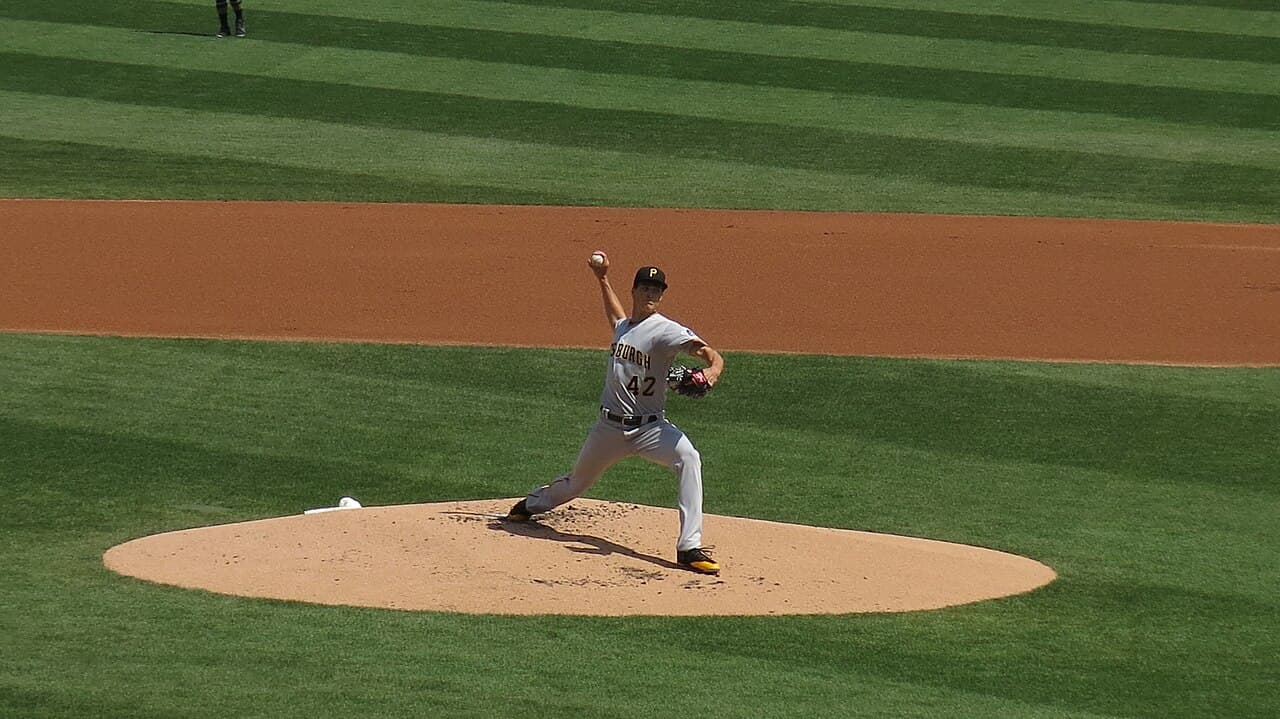
The Los Angeles Dodgers transferred right-hander Tyler Glasnow to the 60-day injured list in early June, a move that hardens what had been a hopeful timeline into a longer absence and deepens a rotation crunch that now defines the team's first half. Glasnow originally landed on the 15-day IL in early May after leaving a start with back trouble, and the 60-day transfer confirms he is still weeks away. Manager Dave Roberts indicated Glasnow is not yet throwing and remains in a holding pattern until he is cleared to begin a progression.
The math is unforgiving. The earliest Glasnow can be activated is in early July, and the realistic outlook is later than that, because he not only has to resume throwing but will require a spring-training-style buildup before he can rejoin the rotation. Los Angeles has publicly framed the second half as the target for getting both Glasnow and fellow starter Blake Snell back into the staff, which tells fantasy managers and bettors all they need to know about the near term: this rotation is operating shorthanded for a while.
A rotation running on depth
Losing one high-end starter is manageable for a club built like the Dodgers. Losing two at once, with Glasnow on the 60-day and Snell also out, forces the organization to lean on its pitching depth in a way that exposes the gap between its stars and its next tier. The team added right-hander Nick Frasso to the 40-man roster as part of the corresponding shuffle, a procedural move that underscores how Los Angeles is managing the 40-man to keep options flexible while the injured arms rebuild.
For a franchise with championship expectations, the bigger picture is that the regular season is a holding action until the cavalry returns. The Dodgers have the lineup to win plenty of games while the rotation heals, but the margin on any given night narrows when back-end arms and bullpen games fill the innings two aces would normally cover.
Fantasy fallout
Glasnow managers face the same calculus that follows any ace to the 60-day IL: hold if the IL spot is free, cut if it is costing an active contributor during a competitive week. His talent and strikeout ceiling are not in question, but a return that may not come until mid-summer makes him a luxury in shallow formats with limited IL flexibility. In deeper and dynasty leagues, he stays without a second thought.
The more actionable angle is the opportunity the injuries create. A Dodgers rotation down two starters will hand innings to younger arms and depth options, and pitching for Los Angeles comes with built-in win equity thanks to the lineup behind it. Streamers should monitor who slots into the rotation, because even a modest arm can post fantasy-friendly win totals when supported by one of baseball's best offenses. The flip side is ratio risk: depth starters can get hit, and a blowup on a given night can torch an ERA. The right approach is to chase the wins in favorable matchups while staying disciplined about the spots.
The NL West and betting angle
A rotation crunch of this size is not just a fantasy story, it is a standings and odds story. The Dodgers' run-prevention profile is materially weaker with Glasnow and Snell out, and that shows up in two places bettors should watch: the team's nightly win probability on days the back-end arms pitch, and the longer-term World Series and division odds that price in pitching health.
The key nuance is that the lineup keeps the floor high. Los Angeles can out-slug a lot of opponents even with a patchwork rotation, which means the market should not overcorrect on the team's season-long outlook. The sharper edges are situational: fading the Dodgers slightly when a depth starter draws a tough matchup, and revisiting their futures price if the second-half returns of Glasnow and Snell start to look shaky. As long as both are still tracking toward a midsummer comeback, the championship case stays intact, just delayed.
The Verdexed model take
The Verdexed model docks Glasnow's rest-of-season projection for the lost starts implied by a 60-day transfer, the same way it treats any ace whose expected workload shrinks. His per-start ceiling is unchanged, but fewer projected starts means fewer projected strikeouts and wins, dropping his value tier until he is back on a mound. The model attaches meaningful downside risk to the timeline given that he is not yet throwing, and it treats early July as the optimistic edge of the window rather than the expectation.
On the team side, the model reads Los Angeles as a club whose true talent remains elite but whose near-term game-by-game projections soften on the days its rotation is thinnest. That is the bettor's opening: not a wholesale fade of a great team, but selective skepticism on the specific nights the depth shows. When Glasnow and Snell return in the second half, the model expects the Dodgers' run prevention, and their odds, to snap back toward the front of the league.
What to do in your league
Hold Glasnow if you can afford the IL spot, and treat any panicking manager as a buy-low target for a second-half ace. If the roster crunch is real, redirect those innings to arms that pitch this week. Most importantly, get ahead of the Dodgers vacancy: identify the depth starter most likely to soak up rotation innings and the wins that come with pitching for this lineup, and add him before the rest of your league notices the opening.