Teoscar Hernandez Lands on the IL With a Hamstring Strain: Dodgers Fantasy Fallout
By Verdexed MLB Desk
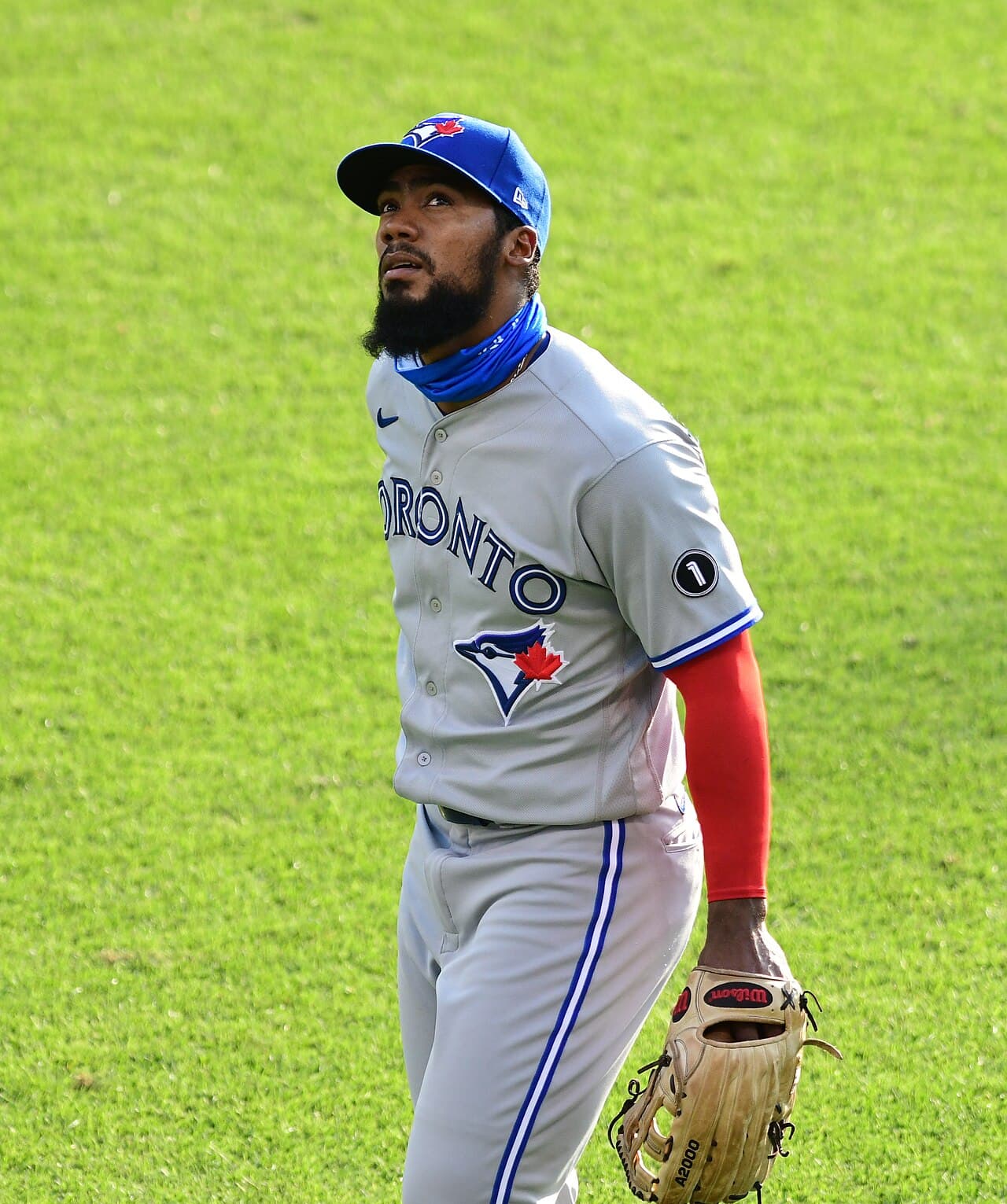
The Dodgers will be without one of their primary run producers for a stretch, and the fantasy ripple effects extend well beyond Los Angeles rosters. Teoscar Hernandez exited a recent win over the Rockies with a left hamstring strain and was placed on the 10-day injured list. Manager Dave Roberts characterized it as a Grade 1 strain, the mildest classification, which on paper suggests a one-to-three-week absence. Hernandez himself, however, offered a more cautious timeline, saying he expects to be back in roughly a month.
Reading the timeline
The gap between the manager's optimism and the player's own estimate is the key detail for fantasy managers. A Grade 1 hamstring strain often resolves quickly, but hamstrings are notorious for setbacks when players rush back, and the team has every incentive to be patient in June with a long season ahead. The fact that Hernandez is on the 10-day list rather than a longer-term IL stint is encouraging, and it leaves open the possibility he returns relatively quickly, potentially without a lengthy rehab assignment.
The responsible read is to plan for something between the two estimates. Treat him as a multi-week absence rather than a minimum-stay IL stint, and do not be surprised if the club errs toward the longer end to avoid a recurrence. Re-aggravation risk is the real enemy with soft-tissue injuries.
Fantasy fallout
For managers who roster Hernandez, this is a hold rather than a drop in all but the shallowest formats. His power and run production are difficult to replace, and a Grade 1 strain does not threaten the rest of his season. If you have an IL slot, use it and stream a replacement bat in the interim. Dropping a middle-of-the-order hitter for a two-to-four-week injury is the kind of panic move that costs managers later.
The more actionable angle is on the replacement side. The Dodgers recalled outfielder Ryan Ward to fill the roster spot, and the club is expected to lean on a platoon in the vacated outfield spot, with Alex Call handling a chunk of the work against left-handed pitching and select right-handers. In deep NL-only or 15-team formats, Ward is worth a speculative add for the playing time, and Call has streaming value in favorable matchups. Neither is a must-add in standard mixed leagues, but the at-bats are real while Hernandez is out.
The Verdexed model take
Our model prizes plate-appearance volume and lineup context, which is why a Hernandez absence matters beyond his own line. Removing a high-leverage bat from the middle of one of the league's best lineups slightly compresses the run-scoring environment for the hitters around him, and it redistributes a meaningful number of plate appearances to replacement-level players whose projections are far lower.
For the replacements, our projections treat the opportunity as real but temporary. Ward and Call gain short-term value purely on volume, but their underlying profiles do not support holding them once Hernandez returns. The smart play is to rent the at-bats, not to invest in them as season-long assets. The Dodgers lineup is deep enough that the offense should remain productive, which limits the downside for the surrounding regulars.
Betting angle
From a betting perspective, a short-term loss of a key bat rarely moves a deep team's run line or totals as much as casual bettors assume. The Dodgers have the lineup depth to absorb a Grade 1 strain without a major drop in expected runs, so any sharp downgrade in their team totals during this stretch is more likely an overreaction than an edge. The cleaner angle is on individual matchups: with a platoon in place, lefty-righty splits in the affected outfield spot become more exploitable for player props.
There is also a recovery-timeline angle for live bettors. If Hernandez beats the conservative one-month estimate and returns closer to the two-week mark, the Dodgers lineup regains a key bat sooner than the market may expect, which can offer value on their team totals during the back half of his absence. Tracking rehab updates and any rehab-assignment news is the way to get ahead of that adjustment before the books fully price his return.
The bigger Dodgers injury picture
The Hernandez injury did not happen in isolation. Los Angeles has been navigating a cluster of injuries across its roster this stretch, which thins the depth that normally makes the lineup so resilient. For fantasy managers, that broader context matters: when a team is absorbing multiple injuries at once, the replacement-level players get more runway, and the surrounding regulars may see slightly more pressure to produce.
That is also why the replacement at-bats here carry a touch more fantasy weight than a single injury usually would. With the roster stretched, the recalled outfielders are more likely to play regularly rather than sit against tough matchups, which firms up their short-term streaming value. It is still a rental, but a deeper injury list tends to extend the runway for the fill-ins, and that is worth a look in deep formats while it lasts.
What it means
Hold Hernandez, use your IL slot, and stream around the absence. If you play in a deep league, grab Ryan Ward for the immediate playing time and treat Alex Call as a matchup-based streamer against tough lefties. Watch the rehab updates closely; a Grade 1 strain can resolve on the optimistic end, but the player's own one-month estimate is the more conservative planning figure. Above all, do not turn a short injury into a long-term roster mistake by cutting a quality bat you will want back in a few weeks.